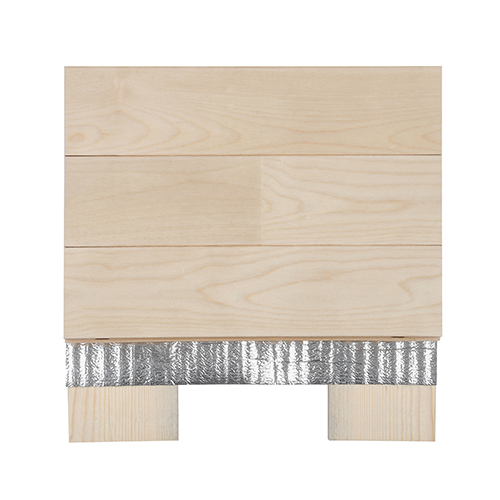
wood sports flooring performance analysis
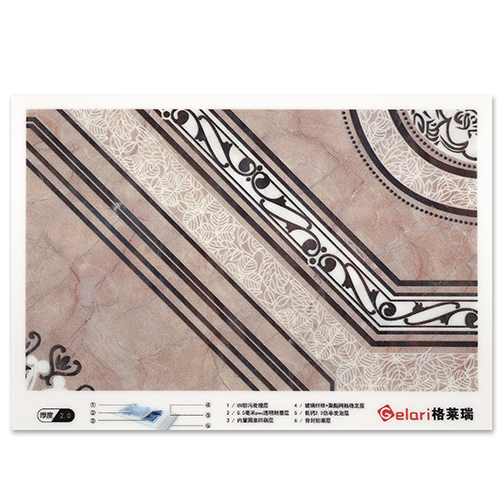
wood sports flooring performance analysis
Selecting the right surface for high-performance athletics often leads to a critical debate: traditional timber versus modern synthetic alternatives. While the aesthetic of natural grains remains a staple in prestige arenas, the technical requirements for shock absorption, durability, and maintenance have pushed the industry toward more versatile materials.
The challenge for facility managers is balancing the perceived prestige of wood with the operational reality of high-traffic sports halls. In many cases, the high cost of maintaining organic surfaces leads to premature degradation, impacting both athlete safety and the long-term budget of the institution.
To navigate these choices, it is essential to understand the structural differences and the evolving role of synthetic composites that mimic the performance of wood sports flooring while removing its inherent vulnerabilities.
The Evolution of Court Surfaces
Historically, indoor sports were synonymous with hardwood. The natural elasticity of maple or oak provided a baseline for shock absorption that defined the professional standard for decades. However, the industry has shifted as the demands on multi-purpose halls have increased.
Today, the definition of a "professional" surface is no longer tied to a specific material, but to measurable performance metrics such as area-specific deformation, vertical deformation, and ball rebound. This has paved the way for polymers and custom vinyls to enter the space.
Engineering the Ideal Performance Ratio
The primary engineering goal of any athletic floor is the balance between energy return and impact attenuation. A surface that is too hard increases the risk of joint stress and long-term injury, while a surface that is too soft slows down the athlete and reduces the efficiency of rapid directional changes.
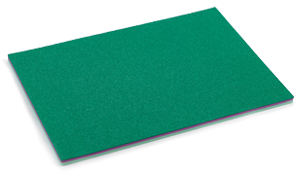
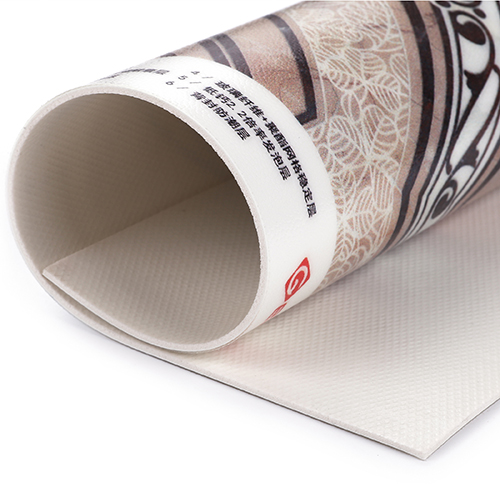
This is achieved through layered construction. In modern synthetic systems, a high-density foam layer is integrated to provide the necessary shock absorption. This architectural approach allows for a consistent feeling underfoot across the entire court, avoiding the "dead spots" sometimes found in aging wood installations.
Furthermore, surface friction is a critical variable. The coating must be precise—enough grip to prevent slipping during a pivot, but smooth enough to prevent the "stick" that causes ankle sprains. UV-coated surfaces now allow for this precision while remaining easy to maintain.
The Shift Toward Hybrid Materiality
Many institutions are now adopting a hybrid approach, utilizing customized PVC vinyl that offers the visual prestige of wood but the mechanical advantages of synthetics. This shift is driven by the need for multi-functionality in commercial and educational spaces.
The transition from organic wood to engineered synthetics is not merely about cost, but about the predictability of performance and the elimination of environmental sensitivities such as humidity-induced warping.
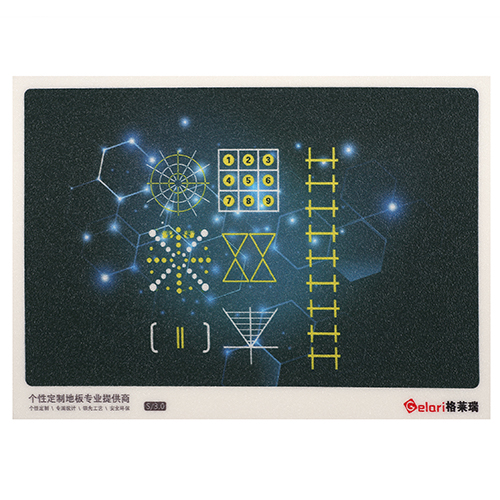
Hebei Enlio Sports Goods Co.,LTD has addressed this need by integrating advanced printing technology into their PVC flooring. By allowing for bespoke designs and pin-sharp details, they provide the aesthetic flexibility of a custom court without the structural volatility of natural timber.
Comparative Impact Analysis
When evaluating different flooring types, facility managers often look at a "Value Index" that combines initial installation cost, maintenance requirements, and lifespan. Natural wood typically scores high on prestige but low on ease of maintenance.
Synthetic options, particularly those with high-density foam layers and UV coatings, offer a more balanced profile. They provide consistent shock absorption and are significantly more resistant to moisture, making them suitable for a wider range of climates and usage intensities.
Figure 2. Relative Performance and Maintenance Index
Operational Integration and Use Cases
In a typical educational setting, a gym must serve as a basketball court in the morning, a dance studio in the afternoon, and an assembly hall in the evening. This diversity of use makes traditional wood risky due to the different footwear and equipment involved.
Custom PVC vinyl flooring solves this by providing an anti-bacterial and anti-slip surface that resists the wear and tear of multi-purpose activities. From kids' playgrounds in kindergartens to professional sports halls, the ability to customize the print allows the floor to be branded or marked for multiple sports simultaneously.
Sustainable Trends in Flooring Tech
Sustainability has moved from a marketing buzzword to a core requirement. The industry is seeing a surge in environmentally friendly materials that reduce the VOC emissions typically associated with older flooring adhesives and finishes.
Modern synthetic solutions focus on the lifecycle of the product. By using highly durable materials that protect the printed layer from wear, the frequency of full-surface replacements is reduced, significantly lowering the long-term carbon footprint of the facility.
The integration of water-proof and anti-flaming properties further enhances the sustainability of the installation by reducing the risk of catastrophic damage and the need for chemical-heavy treatments.
Selection Framework for Facility Owners
Choosing between organic timber and engineered synthetics requires a rigorous assessment of the intended use. If the primary goal is a singular, prestige-focused professional basketball arena, hardwood remains a strong candidate.
However, for facilities prioritizing versatility, hygiene, and low maintenance, the evidence leans heavily toward synthetic composites. The key is to evaluate the "total cost of ownership," which includes the labor costs of sanding and refinishing wood.
Below is a relative suitability framework to assist in the decision-making process based on typical operational requirements.
| Scenario | Hardwood Suitability | PVC Vinyl Suitability | Primary Driver |
|---|---|---|---|
| Multi-Sport Hall | Moderate | High | Versatility |
| Kindergarten/Play | Low | High | Hygiene/Safety |
| Pro Basketball Arena | High | Moderate | Tradition/Feel |
| High-Humidity Zone | Low | High | Stability |
| Commercial Gym | Moderate | High | Durability |
| Dance Studio | High | High | Shock Absorption |
Questions & Answers
Modern synthetic flooring utilizes a multi-layered approach, often incorporating a high-density foam layer specifically engineered for shock absorption. While natural wood has inherent elasticity, synthetic systems can be tuned to provide a consistent level of impact attenuation across the entire surface, reducing the risk of joint fatigue and injury in high-traffic areas.
Hardwood requires periodic sanding, sealing, and refinishing to maintain its grip and appearance, which often involves costly downtime. In contrast, UV-coated PVC flooring is water-proof and requires only basic cleaning with appropriate detergents. Its anti-bacterial properties further reduce the need for intensive chemical treatments.
Yes, through state-of-the-art custom printing technology, manufacturers can produce high-resolution designs that replicate the grain and color of various hardwoods. This allows facility owners to maintain a "prestige" look while benefiting from the durability and functionality of synthetic materials.
Synthetic PVC flooring is significantly more stable in humid conditions than wood. Natural timber is hygroscopic, meaning it absorbs moisture and can warp, swell, or gap. Engineered vinyl is water-proof, making it the ideal choice for regions with extreme humidity or facilities that may encounter moisture spills.
Depending on the traffic volume and maintenance quality, a high-grade synthetic floor can last many years. The key is the wear layer; UV-coated surfaces protect the printed design from abrasion. When properly maintained, these floors retain their structural integrity and aesthetic vibrancy far longer than low-grade alternatives.
Ball rebound is a critical metric. While hardwood is the gold standard, professional-grade PVC sports flooring is engineered to meet FIBA and other international standards for rebound. By adjusting the density of the foam underlay, manufacturers ensure that the ball response is predictable and consistent with professional requirements.
Final Thoughts
The decision between traditional wood and modern synthetic surfaces ultimately depends on the balance of prestige, performance, and practicality. While hardwood remains an iconic choice, the engineering advancements in PVC vinyl—specifically in shock absorption and custom design—offer a compelling alternative for the modern multi-purpose facility.
By prioritizing measurable performance and long-term operational efficiency, facility managers can create spaces that not only look professional but actively protect athletes and reduce maintenance burdens for years to come.
Latest news