Volleyball Court Mat Price Technical Performance Analysis
Volleyball Court Mat Price Technical Performance Analysis
Budgeting for a professional sports facility requires a deep dive into surface performance and long-term durability. When evaluating the volleyball court mat price, procurement officers and gym managers often find a wide discrepancy in costs that corresponds directly to material grade and shock absorption technology.
The shift toward synthetic polymer surfaces has redefined how athletic flooring is priced, moving away from simple square-footage costs toward a value-based model centered on athlete safety and maintenance cycles. Modern mats must balance friction coefficients for rapid lateral movement with enough cushioning to prevent chronic joint injuries.
Understanding the variables that drive these costs allows for a more strategic investment. This analysis examines the technical drivers of pricing, material comparisons, and the operational trade-offs inherent in different flooring solutions.
The Evolution of Synthetic Sports Surfaces
Historically, volleyball courts relied heavily on hardwood or basic rubber, but the industry has pivoted toward advanced PVC and modular plastic systems. These materials provide a consistent surface tension and predictable bounce, which are critical for high-level competition.
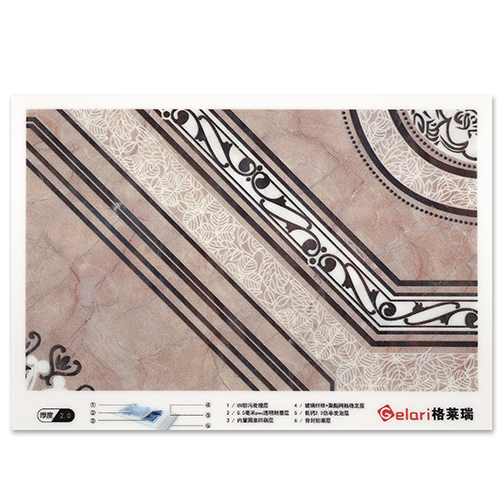
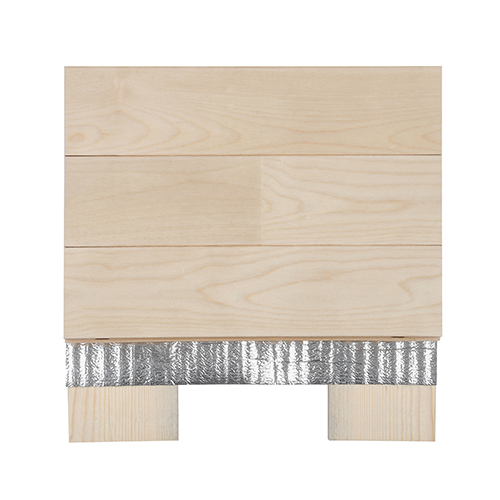
The current market is dominated by integrated systems that combine wear layers, glass fiber reinforcement, and foam backing. This structural complexity is why the volleyball court mat price varies significantly between entry-level gym mats and FIBA-standard professional surfaces.
Technical Drivers of Flooring Costs
Material density is the primary factor influencing the initial investment. High-density PVC with specialized UV coatings resists abrasions from footwear and prevents the surface from becoming "slick" over time. The cost of these additives and the precision of the calendering process directly impact the unit price.
Beyond the surface, the internal reinforcement layer—often made of woven glass fiber—prevents the mat from stretching or shrinking under temperature fluctuations. This dimensional stability is essential for maintaining precise court boundaries and ensuring that seams do not open during intense gameplay.
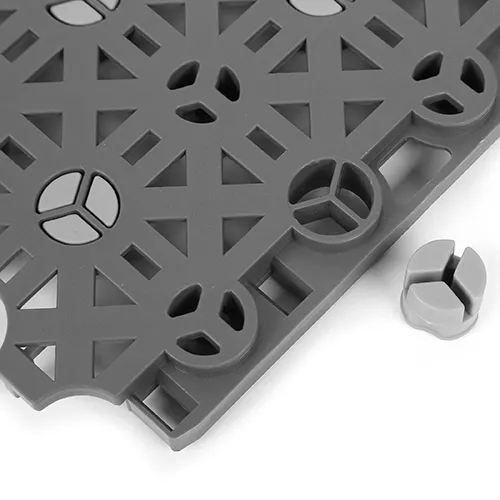
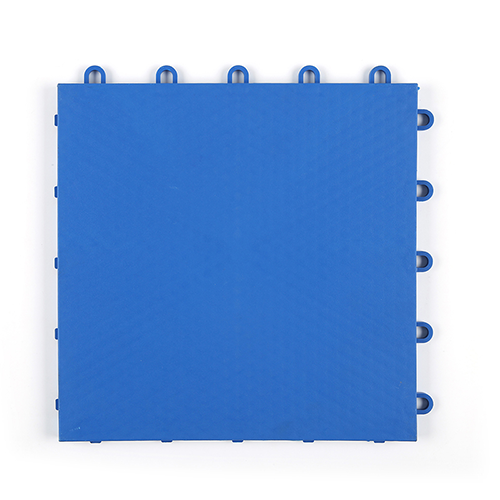
Installation requirements also contribute to the total cost of ownership. While some modular tiles are DIY-friendly, professional-grade vinyl floors require specialized heat-welding of seams to create a seamless, hygienic surface. This labor-intensive process adds to the overall project expenditure.
Balancing Impact Absorption and Stability
The core engineering challenge in volleyball flooring is the conflict between cushioning and energy return. Too much softness increases the risk of ankle rolls, while too much hardness leads to joint fatigue and stress fractures.
Optimal performance is achieved through a "tuned" foam underlay that provides localized shock absorption without sacrificing the lateral stability required for rapid explosive movements.
Hebei Enlio Sports Goods Co.,LTD has addressed this by integrating specialized foam structures within their PVC sports flooring lines. By focusing on the interaction between the wear layer and the shock-absorbing base, they provide surfaces that meet the rigorous demands of international federations like FIBA and the ITTF.
Comparative Value Index of Flooring Types
When analyzing the market, it is helpful to view flooring not as a static cost but as a relative value index. This index considers the relationship between the initial volleyball court mat price and the projected lifespan of the product.
For instance, while temporary mats have a lower entry cost, their durability index is significantly lower than permanent vinyl installations, leading to higher replacement frequencies in high-traffic environments.
Figure 2. Flooring Performance vs. Relative Investment Index
Practical Application Scenarios
In a typical community center setting, the priority is often multi-functionality. A facility may require a surface that can transition from volleyball to basketball or dance. In these cases, a versatile Vinyl Floor is often the most cost-effective choice, as it eliminates the need for multiple specialized mats.
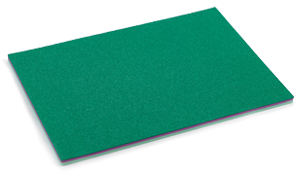
Conversely, for a dedicated high-performance training center, the focus shifts to maximum impact reduction. Here, a specialized Volleyball Court Mat with a thicker foam core is prioritized, as the frequency of jumps and dives increases the risk of athlete burnout and injury.
Future Trends in Flooring Materiality
The industry is moving toward "smart" flooring materials that can better regulate surface temperature and provide antimicrobial properties. As hygiene becomes a paramount concern for public sports facilities, the integration of silver-ion technology into the wear layer is becoming more common.
Sustainability is also driving innovation. The shift toward recyclable polymers and phthalate-free PVC ensures that high-performance courts meet strict environmental certifications like CE and ISO14001 without compromising the structural integrity of the floor.
We are also seeing a trend toward modularity in professional settings. The ability to replace a damaged section of a court without stripping the entire surface is reducing long-term maintenance costs and minimizing facility downtime.
Decision Framework for Facility Managers
Choosing the right surface requires a weighted analysis of usage intensity, budget, and performance requirements. A low-cost solution may seem attractive initially, but the "true cost" must include the projected replacement cycle and the potential cost of athlete injuries.
Professional entities, such as those partnering with FIBA 3X3 World Events, prioritize certified consistency. When the goal is tournament-grade performance, the investment shifts toward surfaces that have been rigorously tested for friction and shock absorption.
The following table provides a comparative framework for evaluating different flooring options based on common facility requirements.
| Surface Type | Primary Use Case | Durability Rating | Investment Level |
|---|---|---|---|
| Standard PVC | Multi-purpose Gyms | High | Moderate |
| Modular Tiles | Outdoor/Temporary | Moderate | Low-Moderate |
| Pro Vinyl | Competitive Leagues | Very High | High |
| Rubber Matting | Training/Weight Rooms | Extreme | Moderate |
| Hardwood | Traditional Arenas | High (if maintained) | Very High |
| Customized Foam | Specialized Training | Moderate | Moderate |
Questions & Answers
The price is primarily driven by material quality (PVC vs. Rubber), thickness of the shock-absorption layer, the presence of glass fiber reinforcement, and the specific certifications required (such as FIBA or ITF). Additionally, the total cost is affected by the installation method, whether it is a simple roll-out or a heat-welded seamless installation.
Vinyl floors provide a seamless, high-grip surface ideal for indoor competitive volleyball, offering superior shock absorption. Modular tiles are typically interlocking plastic components that are easier to install and move, making them ideal for outdoor courts or temporary event setups, though they generally offer less joint protection than pro-grade vinyl.
Yes, most professional volleyball mats are designed to be installed over flat concrete or existing hardwood. However, the concrete must be properly leveled and cleaned. For high-performance needs, a dedicated underlayment may be added to further increase shock absorption and prevent moisture from affecting the mat.
With proper maintenance, a professional PVC sports floor can last between 10 to 15 years. The lifespan depends heavily on the quality of the wear layer and the frequency of use. Regular cleaning and the use of appropriate non-marking footwear are critical to extending the life of the surface.
Standard products are generally more affordable and available for quicker shipping. However, customized floors allow you to specify the exact shock absorption levels, colors, and dimensions to fit your unique space and athlete needs, which often results in a better long-term fit for the facility's specific goals.
Certifications act as a guarantee of performance and safety. A certified floor has been tested for friction, impact absorption, and toxicity. While this may increase the initial cost, it ensures the court is safe for athletes and compliant with official tournament regulations, which is essential for hosting sanctioned events.
Final Thoughts
Investing in the right athletic surface is a balance of immediate budget constraints and long-term performance goals. By analyzing the technical drivers—from material density to shock absorption—facility managers can move beyond the initial volleyball court mat price to assess the true value and safety of their investment.
Whether opting for a multi-purpose vinyl solution or a specialized tournament mat, the goal remains the same: providing a stable, safe environment that allows athletes to perform at their peak while minimizing the risk of injury.
Latest news