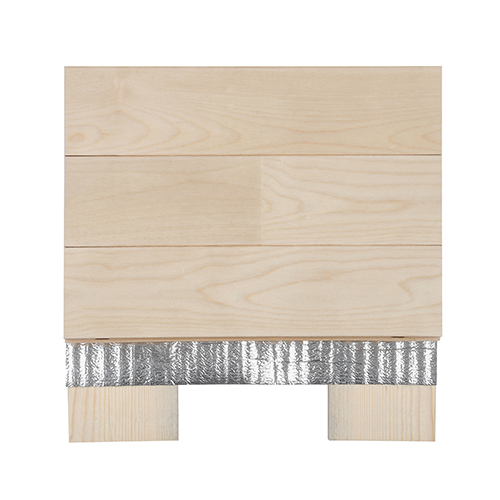
maple basketball court flooring performance analysis
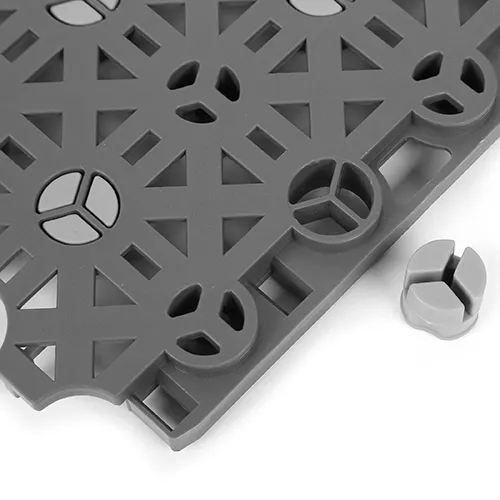
maple basketball court flooring performance analysis
Selecting the right surface for a professional basketball arena often begins and ends with the debate over material performance and athlete safety. While traditional preferences lean heavily toward the prestige of natural wood, the technical requirements of modern sports demand a more nuanced analysis of shock absorption and surface friction.
The decision-making process has shifted from purely aesthetic choices to a data-driven approach, where the balance between ball bounce consistency and joint protection is paramount. For facilities managing multi-purpose usage, the challenge lies in finding a material that withstands high-intensity wear without compromising the professional feel of the game.
Understanding the specific engineering behind maple basketball court flooring and its contemporary alternatives is essential for facility managers. This guide examines the critical performance metrics and structural innovations currently shaping the industry.
The Material Standard for Professional Courts
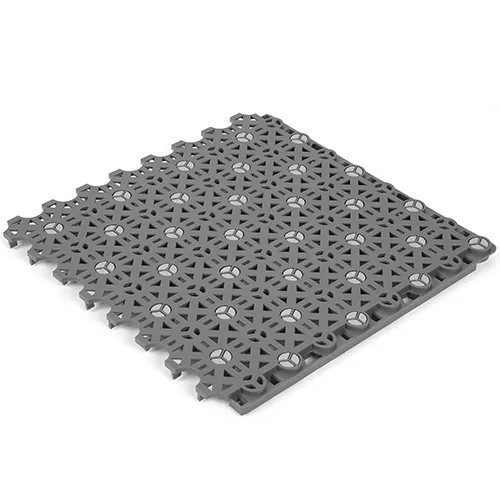
Hard maple has long been the benchmark for basketball courts due to its inherent hardness and durability. However, the industry is seeing a transition toward hybrid systems that combine the aesthetic of wood with the performance of synthetic polymers. These modern systems aim to solve the problem of "dead spots" often found in aged hardwood installations.
The focus is no longer just on the top layer but on the entire assembly. By integrating specialized underlays, manufacturers can now tune the vertical deformation of the floor, ensuring that energy return is consistent across the entire playing surface, which is critical for high-level competitive play.
Structural Mechanics of Impact Distribution
The primary engineering goal of a sports floor is to manage the force of impact. When an athlete jumps and lands, the floor must absorb a portion of that energy to protect the joints while remaining stiff enough to provide a stable platform for rapid changes in direction. This is achieved through a system of sleepers or elastic pads.
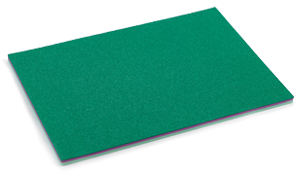
In advanced synthetic options, such as those utilizing rubber elastic materials, the structure often includes reinforced crossbars and specific cushion sets. For instance, the integration of full-body professional elastic pads allows for a more even distribution of impact force, preventing localized stress on the athlete's ankles and knees.
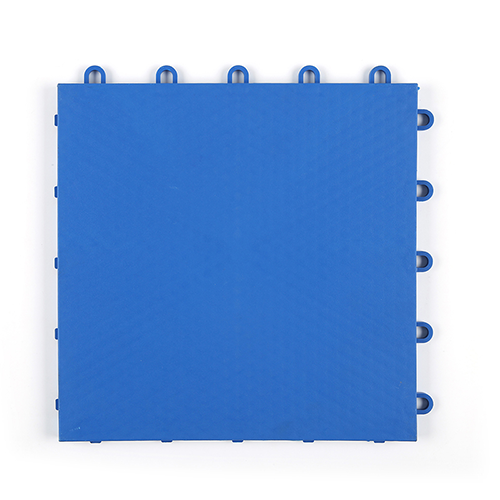
These structural reinforcements also address the issue of thermal expansion. Using buckle-type connections helps the floor breathe during temperature fluctuations, preventing the warping or gapping that frequently plagues traditional hardwood installations in non-climate-controlled environments.
Friction Coefficients and Athlete Safety
Surface friction is the most critical variable in preventing sports-related injuries. A surface that is too slick leads to uncontrolled slips, while one with too much grip can cause "foot-stick," leading to ligament tears during pivot movements.
The ideal sports surface must maintain a consistent friction coefficient regardless of humidity or dust accumulation, ensuring that the anti-slip effect is proactive rather than reactive.
To achieve this, high-performance materials are engineered with specific surface textures. The use of non-slip surface layers combined with resilient rubber bases ensures that the rebound remains stable. This synergy between the top-layer grip and the bottom-layer elasticity is what defines a professional-grade court.
Performance Metrics Across Flooring Types
When comparing different court materials, facility managers often use a qualitative scoring model to balance durability, athlete safety, and maintenance costs. While maple is prized for its bounce, synthetic alternatives often score higher in moisture resistance and long-term elasticity stability.
The following analysis represents a relative assessment of how various flooring technologies perform across five key industry indicators, highlighting the trade-offs between traditional hardwood and modern elastic polymers.
Figure 2. Relative Performance Index of Court Materials
Operational Challenges in High-Traffic Arenas
For multi-sport facilities, the primary concern is water management and environmental aging. Traditional floors are highly susceptible to water damage, which can lead to structural instability and safety hazards. This is where drainage-focused designs, such as multi-hollow pattern systems, become indispensable, particularly for outdoor or semi-outdoor courts.
Furthermore, the ability of a floor to maintain its elasticity across extreme temperature ranges—from -40°C to above 80°C—is a critical requirement for global installations. Ensuring that the material does not become brittle in winter or overly soft in summer is essential for maintaining a safe and consistent playing environment.
Innovation in Elastic Support Systems
The evolution of the SES rubber elastic material demonstrates a shift toward integrated safety. By using a combination of whole-body rubber cushions and reinforced anti-slip cushions, the floor can provide a more stable rebound. This prevents the "springy" feel that can sometimes lead to instability during sudden stops.
Environmental responsibility has also become a core driver of innovation. The transition toward recyclable materials and the reduction of volatile organic compounds (VOCs) in flooring adhesives and polymers ensure that indoor air quality is maintained without sacrificing technical performance.
The result is a system where the surface layer handles the immediate interaction with the athlete, while the sub-structure manages the energy distribution, creating a holistic approach to court engineering.
Selection Framework for Facility Managers
Choosing between traditional maple basketball court flooring and modern synthetic solutions requires an analysis of the facility's primary use case. A dedicated professional arena may prioritize the prestige and specific bounce of maple, whereas a community center may prioritize the low maintenance and durability of rubber-based tiles.
It is also important to consider the long-term lifecycle costs. While the initial installation of some high-tech polymer floors may differ from wood, the reduction in sanding and refinishing requirements can lead to significant operational savings over a decade.
The following table provides a comparative framework for evaluating suitability based on common environmental and operational constraints.
| Evaluation Factor | Traditional Maple | Rubber Elastic Tile | Vinyl Sports Floor |
|---|---|---|---|
| Moisture Exposure | Low Suitability | High Suitability | Medium Suitability |
| Joint Protection | Medium (w/ Pads) | High (Integrated) | Medium |
| Installation Speed | Slow (Curing) | Fast (Modular) | Medium |
| Maintenance Load | High (Sanding) | Low (Cleaning) | Medium |
| Surface Consistency | Variable (Grain) | Uniform | Uniform |
| Temperature Stability | Low (Warps) | High (Resilient) | Medium |
Questions & Answers
The professional feel is a combination of predictable ball rebound (consistency of bounce) and a specific friction coefficient that allows athletes to pivot without slipping or sticking. High-grade maple is the gold standard for this, but modern synthetic floors achieve similar results by using calibrated elastic pads that mimic the natural energy return of wood.
Modular tiles, particularly those with a reinforced crossbar structure, often offer better longevity in high-impact areas because individual sections can be replaced if damaged. Poured vinyl provides a seamless look but can be more difficult to repair without leaving visible seams, making modular systems more practical for facilities with heavy equipment movement.
Standing water creates an immediate safety hazard by drastically reducing the friction coefficient. Furthermore, water infiltration into the sub-structure can cause material degradation. Systems with a multi-hollow pattern design allow water to seep through the surface rapidly, maintaining a dry playing area and protecting the material's integrity from water-induced damage.
Yes, these materials are highly versatile. Because they can be customized for different friction levels and shock absorption rates, they are suitable for volleyball, badminton, and multipurpose gymnasium use. The key is selecting the specific pad density and surface texture that matches the footwear and movement patterns of the intended sport.
Extreme temperatures can either harden a floor (making it dangerous for joints) or soften it (reducing ball bounce). High-quality sports flooring, such as SES rubber material, is engineered for aging resistance, ensuring that elasticity remains virtually unchanged from -40°C to 80°C, which is vital for outdoor courts in varied climates.
Unlike traditional systems that may have gaps in support, a full-body elastic pad system ensures that every square inch of the floor has consistent shock absorption. This eliminates "hard spots" and ensures that impact force is distributed evenly across the foot and leg, significantly reducing the risk of acute impact injuries.
Final Thoughts
The evolution of sports flooring is moving toward a synergy of natural aesthetics and synthetic performance. While the prestige of maple remains high, the integration of advanced rubber elastic materials and hollow-drainage designs provides a level of versatility and safety that traditional wood cannot match in every environment.
For facility managers, the goal is to align the material properties with the specific demands of their athletes and the constraints of their environment. By focusing on shock absorption, friction consistency, and environmental resilience, it is possible to create a court that enhances athletic performance while ensuring long-term durability.
Latest news