outdoor basketball court tiles technical analysis
outdoor basketball court tiles technical analysis
Selecting the right surface for an outdoor sports area often involves a difficult trade-off between professional performance and long-term weather resistance. Traditional concrete or asphalt courts frequently suffer from cracking, heat absorption, and high maintenance costs, leading many facility managers and homeowners to seek more flexible alternatives.
The shift toward modular systems has introduced a new standard for durability and installation speed. These systems allow for rapid deployment and easy replacement of damaged sections without the need for costly resurfacing projects.
Understanding the technical nuances of outdoor basketball court tiles is essential for anyone looking to maximize player safety and surface longevity. This guide explores the structural mechanics and selection criteria for modern modular sports flooring.
The Shift to Modular Polypropylene Surfaces
Historically, outdoor basketball courts relied on poured materials that required significant curing time and professional machinery. The introduction of high-impact polypropylene tiles has changed this dynamic, allowing for "floating" floors that can be installed directly over existing concrete or asphalt without permanent adhesives.
This modular approach reduces the initial labor cost and eliminates the risk of surface bubbles or uneven curing. By utilizing interlocking joints, the system accommodates the natural expansion and contraction of the base material under temperature swings, preventing the structural cracks common in monolithic slabs.
Structural Engineering of Sports Tiles
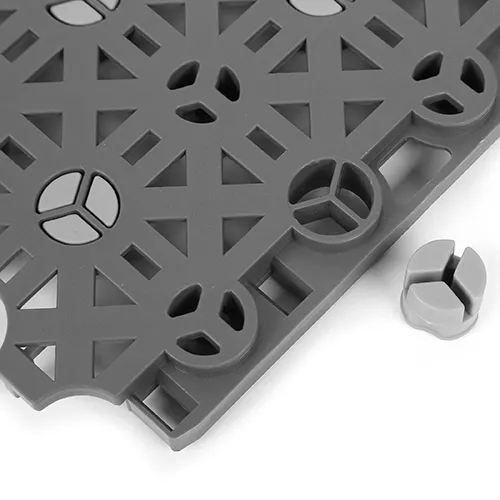
The effectiveness of a modular court depends on its rib structure and material density. High-quality tiles are engineered with a specific vertical support grid on the underside, which creates a calculated air gap between the tile and the subfloor. This gap is critical for reducing the impact force on players' joints, mimicking the shock absorption found in indoor hardwood floors.
Material composition also plays a vital role. UV-stabilized polypropylene is typically used to prevent the colors from fading under intense sunlight and to stop the plastic from becoming brittle. The surface texture is specifically designed to provide consistent friction, ensuring that players have reliable grip whether the court is dry or slightly damp.
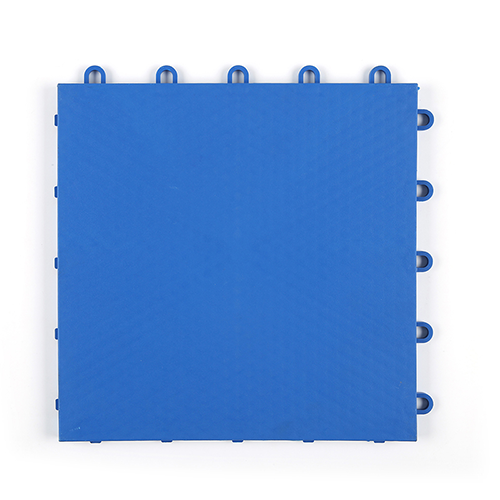
Furthermore, the tolerances of the interlocking tabs must be extremely precise. If the gaps are too wide, the court becomes unstable; if they are too tight, the tiles may buckle during summer heat. Engineering these tolerances requires advanced injection molding technology to ensure every tile in a shipment fits perfectly.
Drainage and Thermal Management
Water accumulation is the primary enemy of outdoor sports surfaces. Unlike solid acrylic coatings that rely on the slope of the concrete to move water, perforated modular tiles allow rain to pass directly through the surface. This vertical drainage system significantly reduces the "puddle effect" and allows the court to be usable almost immediately after a rainstorm.
The integration of a perforated grid design transforms the court surface from a water-barrier into a permeable membrane, effectively eliminating standing water and reducing the risk of hydroplaning for athletes.
Thermal management is equally important. Dark-colored asphalt can reach extreme temperatures in the summer, making the court nearly untouchable. Polypropylene tiles, especially those in lighter shades, have lower thermal conductivity and better reflectivity. This keeps the surface temperature lower and protects the underlying base from extreme thermal stress.
Performance Metrics Across Tile Variants
Different tile configurations serve different athletic needs. For instance, tiles with a denser grid provide more stability for heavy usage but offer less shock absorption. Conversely, tiles designed for multi-purpose use often feature a more flexible rib system to accommodate a wider range of movements, from basketball to pickleball.
Evaluating these variants requires a look at a relative performance index, considering factors like impact reduction, drainage speed, and UV resistance. When compared to traditional materials, modular systems consistently outperform in terms of maintenance ease and installation speed.
Figure 2. Relative Performance Index of Court Surfaces
Scenario-Based Application Analysis
In a typical residential setting, the priority is often aesthetic appeal and low maintenance. Homeowners benefit from the ability to customize the court colors to match their property. In contrast, a municipal park or a school gymnasium requires a surface that can withstand thousands of footfalls per week without losing its structural integrity.
For commercial entities, such as sports complexes, the "downtime" associated with court repair is a critical financial factor. The modular nature of these tiles means that if a specific area is damaged, only the affected tiles need to be replaced. This prevents the need to close the entire facility for a week of resurfacing, making it the most viable option for high-traffic commercial environments.
Future Trends in Sustainable Flooring
The flooring industry is moving toward a circular economy. Modern polypropylene tiles are increasingly produced from recycled plastics, reducing the carbon footprint associated with raw material extraction. This shift not only helps the environment but also creates a more sustainable supply chain for sports infrastructure.
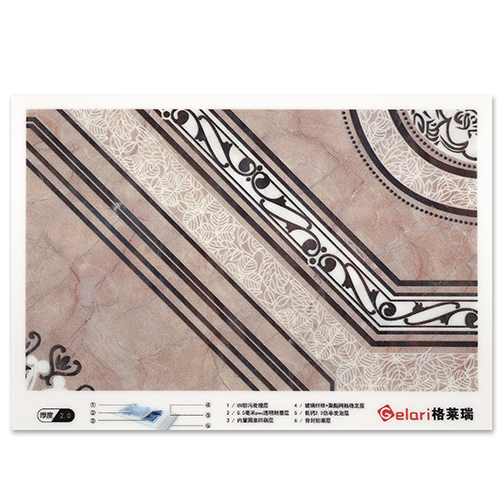
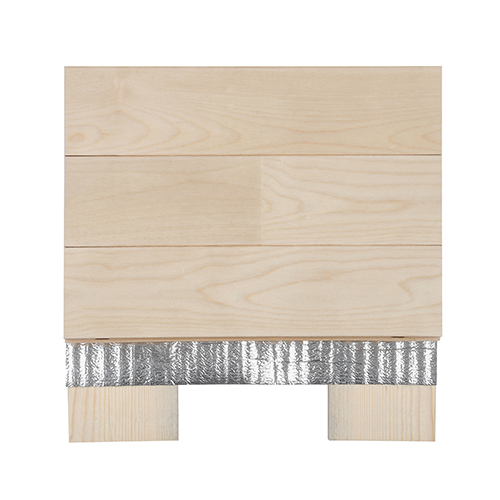
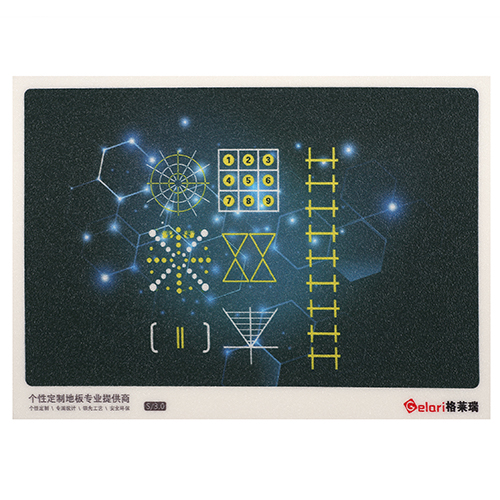
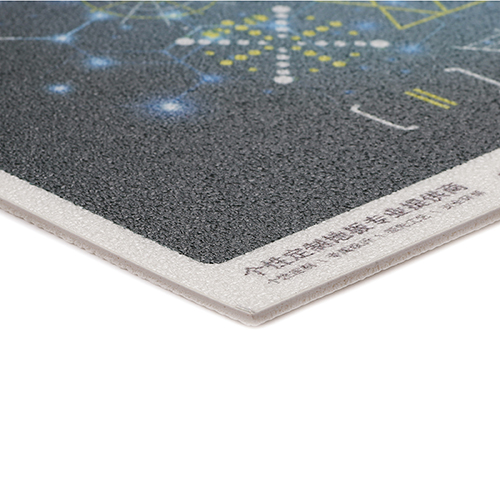
We are also seeing a convergence of functionality. Companies like Hebei Enlio Sports Goods Co.,LTD are expanding their capabilities to offer not just basic tiles, but customized PVC vinyl flooring solutions that combine the durability of plastic with the high-fidelity design of printed surfaces. This allows for brand integration and bespoke visual identities on the court surface.
The next frontier is the integration of "smart" flooring—surfaces capable of tracking player movement or measuring ball bounce through embedded sensors. While still in the early stages, the modular structure of tiles provides the ideal housing for these technical components without compromising the play area.
Surface Selection Decision Framework
Choosing between modular tiles and traditional coatings requires a balanced analysis of initial investment versus lifecycle cost. While the upfront cost of high-grade polypropylene may be higher than a simple acrylic coat, the absence of recurring resurfacing needs typically results in a lower total cost of ownership over a ten-year period.
One must also consider the subfloor condition. If the concrete base is uneven, modular tiles are far more forgiving, as they can be installed over small inconsistencies that would otherwise cause puddles or streaks in a poured finish.
The following framework compares the most common outdoor basketball surface options based on key technical and operational requirements.
| Evaluation Factor | Modular Tiles | Acrylic Coating | Poured Concrete | Asphalt |
|---|---|---|---|---|
| Installation Speed | Very High | Medium | Low | Low |
| Water Drainage | Permeable | Surface Run-off | Surface Run-off | Surface Run-off |
| Joint Impact | Shock Absorbent | Hard | Very Hard | Hard |
| Repair Method | Tile Swap | Full Resurface | Patching | Patching |
| Heat Retention | Low to Medium | High | High | Very High |
| Lifecycle Cost | Low (Long Term) | Medium | Medium | High (Maintenance) |
Questions & Answers
Yes, modular tiles are an excellent solution for cracked surfaces. Because they are a floating system, they cover the aesthetic flaws of the existing concrete. While they do not "fix" the structural crack, they prevent the crack from expanding due to surface wear and provide a level, safe playing area regardless of the base condition.
The tiles are engineered from UV-stabilized polypropylene, which is designed to expand and contract slightly without buckling. The interlocking joints provide the necessary flexibility to move with the temperature, unlike rigid acrylics or concrete which often crack under thermal stress. This makes them suitable for climates with severe winters and hot summers.
PP (Polypropylene) tiles are typically modular and perforated, making them ideal for outdoor use where drainage and weather resistance are key. PVC vinyl flooring is generally a rolled product with a high-density foam layer, providing superior shock absorption and custom printing capabilities, which makes it more suitable for indoor sports halls or specialized gym areas.
No, most high-quality modular court tiles use a snap-together interlocking system that requires no glue or adhesive. They are held in place by their own weight and the tightness of the connections. This allows the court to be disassembled and moved to a different location if necessary, which is a significant advantage for temporary events.
With proper UV stabilization, these tiles can last over a decade. Unlike coatings that need refreshing every 3-5 years, tiles only need replacement if they suffer physical damage. Because the system is modular, you only replace the specific tiles that are worn out, rather than the entire court surface.
No, they are specifically designed with anti-slip surface textures to ensure traction during damp conditions. The perforated design also allows water to drain away from the surface immediately, which prevents the formation of slippery water films that are common on non-permeable surfaces like acrylic or concrete.
Final Thoughts
Transitioning to a modular surface represents a move toward greater operational efficiency and athlete safety. By prioritizing permeability and shock absorption, facility owners can reduce maintenance overhead while providing a professional-grade experience that rivals indoor courts.
Whether utilizing standard modular tiles or exploring bespoke vinyl solutions, the key to a successful installation lies in matching the material specifications to the specific environmental stressors of the location. Investing in UV-stabilized, high-density polymers ensures that the court remains a community asset for years to come.
Latest news