PVC Vinyl Flooring Price Technical Performance Analysis
PVC Vinyl Flooring Price Technical Performance Analysis
When budgeting for a sports facility or a commercial renovation, the pvc vinyl flooring price often emerges as one of the most debated variables. Unlike standard residential vinyl, high-performance sports PVC is engineered for specific energy return, shock absorption, and friction coefficients, meaning the cost reflects technical performance rather than just material volume.
The market currently sees a wide variance in pricing driven by raw material purity, wear layer thickness, and the presence of specialized foam backing. For facility managers, the challenge lies in distinguishing between "entry-level" vinyl and professional-grade surfaces that meet international athletic standards, as the wrong choice can lead to increased athlete injury rates and frequent replacement cycles.
Understanding the logic behind the pvc vinyl flooring price requires an analysis of the structural components and the long-term value proposition. This article examines the factors influencing costs and how to evaluate quality in the professional sports flooring sector.
The Engineering Logic of Vinyl Costs
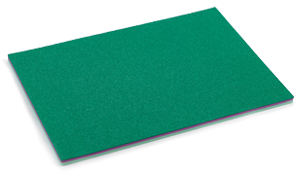
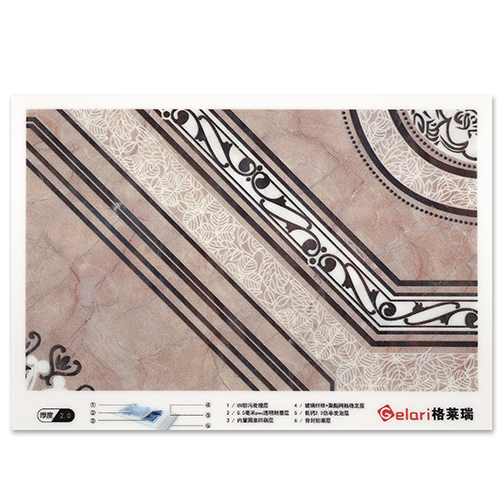
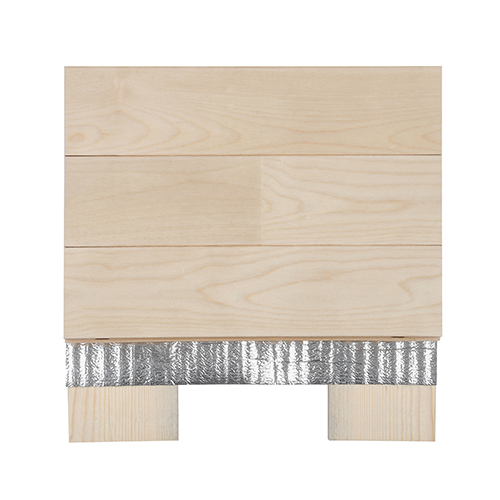
The price of PVC vinyl flooring is not a flat rate but a reflection of its composite architecture. Professional sports surfaces are typically constructed from a multi-layered system: a high-density wear layer, a reinforced fiberglass mesh for dimensional stability, and a closed-cell foam layer for shock absorption.
When costs fluctuate, it is often due to the quality of the PVC resin and the additives used to ensure UV resistance and anti-slip properties. For instance, floors designed for FIBA-approved basketball courts require significantly more precise calibrations in ball rebound and surface friction than basic commercial vinyl.
Technical Drivers of Surface Value
The thickness of the wear layer is perhaps the most direct driver of the initial purchase price. A thinner wear layer may be sufficient for low-traffic kindergarten areas, but high-impact environments like professional gymnasiums require a thicker, more durable layer to prevent premature thinning and loss of grip.
Beyond thickness, the chemical composition of the PVC plays a critical role. Homogeneous materials, where the color and properties are consistent throughout the entire thickness, typically command a higher price than heterogeneous layers because they offer superior long-term durability and easier maintenance.
Furthermore, the integration of shock-absorbing technology—such as the specialized foam used in Enlio's professional lines—increases the cost but reduces the risk of athlete injury. These materials are engineered to provide shock absorption often exceeding 40%, aligning with rigorous standards from bodies like FIBA and the BWF.
Balancing Performance and Budget
Facilities often face a dilemma: prioritizing the lowest upfront pvc vinyl flooring price versus the lowest total cost of ownership (TCO). A cheap floor often requires more frequent resurfacing or complete replacement every 3-5 years, whereas a professional-grade surface can last a decade or more with proper care.
Value in sports flooring is measured by the intersection of athlete safety (shock absorption), surface consistency (ball rebound), and lifecycle durability, rather than the cost per square meter.
To optimize a budget, buyers should categorize their spaces. High-impact zones (like the key in a basketball court) demand maximum specification, while secondary areas (like walkways or waiting zones) can utilize more economical vinyl options without compromising the overall facility quality.
Comparative Value Index by Application
Different sporting applications demand different technical specifications, which directly influences the relative price index. For example, a multi-purpose floor used for both volleyball and badminton must balance friction for quick pivots with enough "give" to protect joints during jumps.
The following index illustrates the relative investment required across various use cases, where a higher value indicates a need for higher technical specifications and, consequently, a higher price point.
Figure 2. Relative Investment Index by Flooring Application
Practical Installation Considerations
The final cost of a project is rarely just the material price. Subfloor preparation—including leveling and moisture barrier installation—can significantly impact the total budget. PVC vinyl is sensitive to subfloor irregularities, which can telegraph through the surface and lead to premature wear or peeling.
Professional installation is critical, especially for sports courts where seamless welding is required to ensure athlete safety. Using high-quality heat-welded seams prevents moisture from penetrating the floor and maintains the structural integrity of the court under heavy lateral loads.
Future Shifts in Material Economics
The sports flooring industry is moving toward "eco-friendly" PVC and TPE raw materials. These materials aim to reduce VOC emissions while maintaining the high shock-absorption standards required for professional play. While these sustainable materials may initially have a higher price point, they are becoming the standard for government-funded and Olympic-level projects.
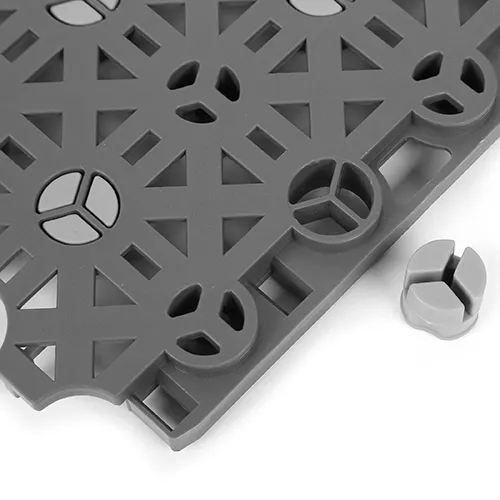
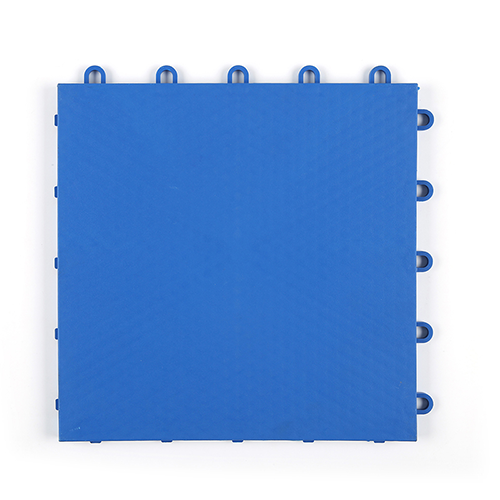
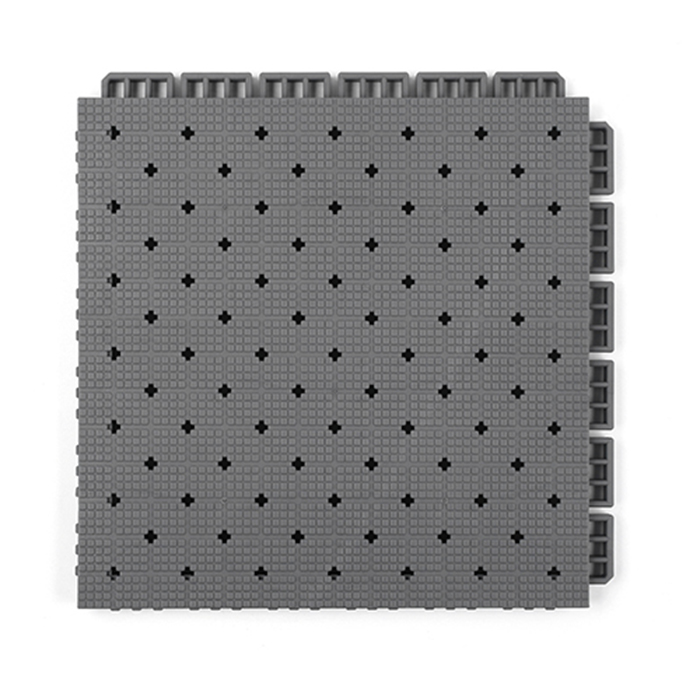
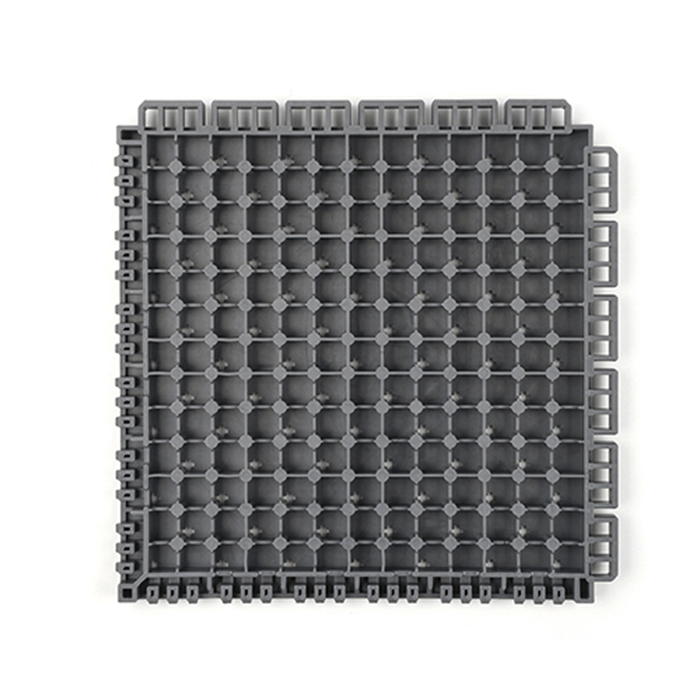
Technological advancements in modularity are also influencing the market. The rise of high-performance modular tiles for outdoor and indoor use provides an alternative for those who need flexibility in court layout, though the physics of energy return differ from traditional rolled PVC.
As global supply chains stabilize, we expect to see a greater emphasis on "integrated solutions"—where the manufacturer provides the R&D, production, and installation. This vertical integration, seen in companies like Hebei Enlio Sports Goods Co., LTD, often reduces the overall project cost by eliminating middle-man markups.
Selection Framework and Trade-offs
Choosing the right flooring requires a structured comparison of technical needs versus financial constraints. The primary trade-off is usually between the "Wear Layer Thickness" and "Initial Budget," and between "Shock Absorption" and "Ball Rebound Speed."
For instance, a floor with excessive cushioning (too soft) may be great for joint protection but poor for high-level competitive basketball where a fast, predictable ball bounce is required. Achieving the "sweet spot" is what defines professional-grade engineering.
The following table provides a decision framework for evaluators comparing different vinyl specifications across typical use cases.
| Application | Wear Layer Need | Shock Absorption | Primary Value Driver |
|---|---|---|---|
| Kindergarten | Low to Mid | High | Safety/Non-toxic |
| Commercial Office | Mid to High | Low | Aesthetics/Wear |
| Community Gym | Mid | Mid | Versatility |
| Pro Basketball | High | High (Calibrated) | FIBA Compliance |
| Dance Studio | Mid | Mid (Flexible) | Friction Control |
| Olympic Events | Maximum | Precision-Tuned | Performance Certification |
Questions & Answers
The price is primarily driven by the technical specifications of the material, specifically the thickness of the wear layer, the quality of the PVC resin, and the shock-absorbing foam layer. High-performance courts that meet international standards (like FIBA or BWF) require more precise engineering and higher-grade raw materials, which increases the cost compared to general-purpose commercial vinyl.
Shock absorption is achieved through a specialized closed-cell foam layer integrated into the PVC structure. Engineering this layer to provide significant impact reduction (e.g., over 40%) while maintaining a consistent ball rebound requires advanced R&D and more expensive manufacturing processes, thereby increasing the price per square meter.
While heterogeneous vinyl is often cheaper upfront, homogeneous vinyl is generally more cost-effective over the long term. Because the color and properties are consistent throughout the entire thickness, homogeneous floors do not "wear through" to a different base color, reducing the need for frequent replacements in high-traffic athletic environments.
Beyond the material cost, buyers must budget for subfloor preparation (leveling and moisture barriers), professional heat-welded installation, and the cost of perimeter transition strips. Poor subfloor preparation can lead to premature floor failure, making the "cheaper" material installation far more expensive in the long run.
Certifications from FIBA, BWF, or ITTF signify that the flooring has passed rigorous tests for friction, shock absorption, and durability. Maintaining these certifications requires constant quality control and the use of premium materials, which is reflected in a higher price point compared to non-certified, generic vinyl.
It is not recommended. Commercial vinyl lacks the shock-absorption and specific friction coefficients needed for athletic movements. Using it in a sports environment can increase the risk of ankle and knee injuries for athletes and may lead to rapid surface degradation due to the high lateral forces exerted during sports.
Final Thoughts
Evaluating the pvc vinyl flooring price requires a shift in perspective from "cost per square meter" to "performance per year of use." The investment in professional-grade, certified sports flooring pays dividends in athlete safety, facility longevity, and the overall quality of the sporting experience.
By aligning material specifications—such as wear layer thickness and shock absorption—with the actual demands of the activity, facility managers can optimize their budgets without compromising on the standards that protect athletes and ensure a professional-level playing surface.
Latest news