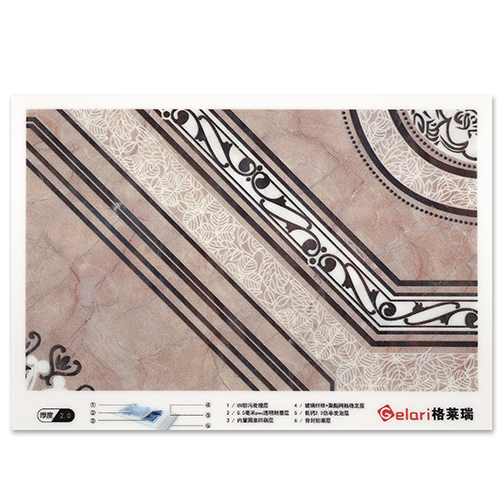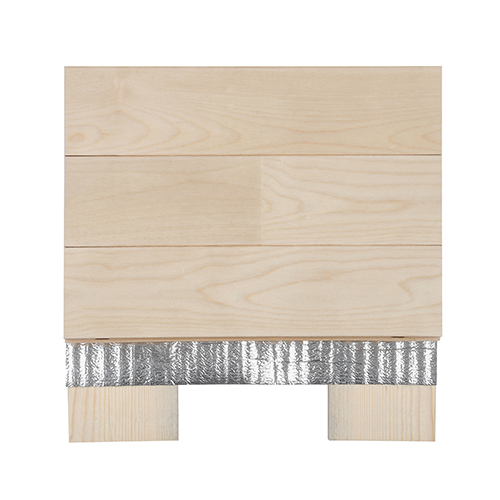
pp interlocking tiles technical specifications and performance analysis
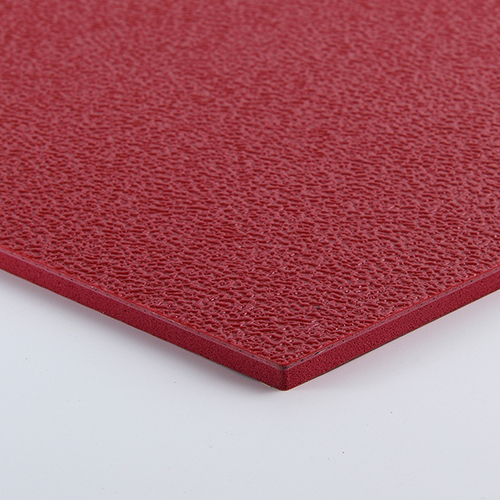
pp interlocking tiles technical specifications and performance analysis
Selecting the right surface for an outdoor sports area often comes down to a balance between immediate installation speed and long-term structural integrity. For many facility managers, the transition to modular systems has solved the problem of downtime, but the challenge of material degradation remains a critical concern.
The shift toward high-performance polymers has introduced a new standard for versatility, allowing spaces to be repurposed within hours. However, not all modular surfaces are created equal; the difference in UV stability and drainage efficiency can determine whether a court lasts three years or fifteen.
By analyzing the technical specifications of pp interlocking tiles, we can understand how advanced material science is currently addressing the historical failures of outdoor synthetic flooring.
The Mechanics of Modular Polypropylene
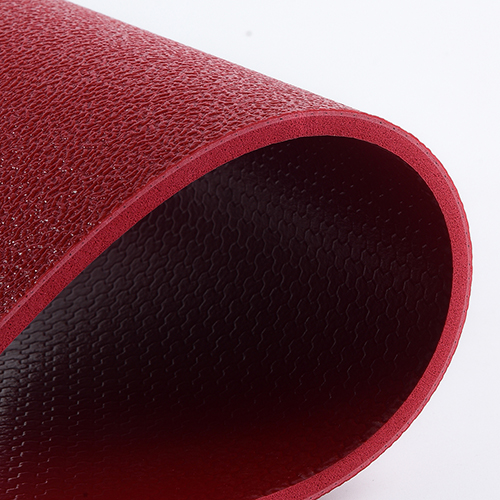
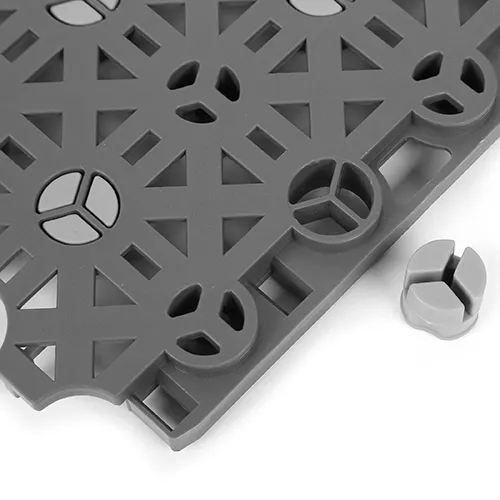
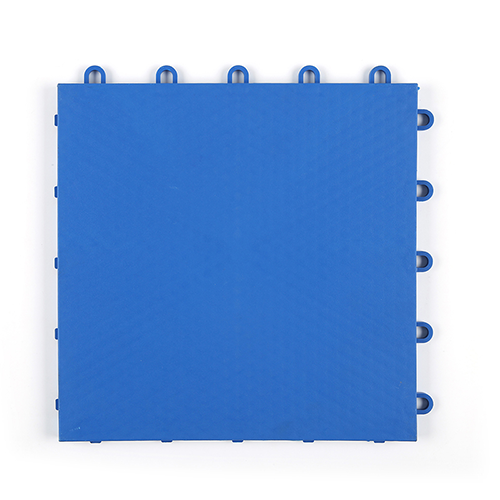
The core appeal of modular polypropylene lies in its geometric stability and the ease of assembly. Unlike poured surfaces, these tiles utilize a precision-molded interlocking system that allows for rapid expansion and contraction without compromising the flat plane of the court.
From a manufacturing perspective, the use of high-density polymers ensures that the surface can withstand significant point-load pressure while remaining lightweight enough for manual installation. This balance is essential for temporary events and permanent facilities alike.
Engineering for Climate Resilience
Outdoor sports surfaces face a relentless cycle of thermal expansion and ultraviolet degradation. Standard plastics often suffer from "oil leakage" or brittleness when exposed to extreme temperature swings, which can range from -40°C to 100°C in various global climates.
To combat this, advanced formulas now incorporate modified processes that eliminate the tendency for plasticizers to migrate to the surface. This prevents the sticky residue known as oil leakage and ensures the material does not fade or crack under intense UV radiation.
Furthermore, the integration of a sandwich structure in reinforced designs provides a stable board size. This structural approach prevents the tiles from warping or swelling when the underlying substrate is subject to moisture or humidity.
Evaluating Surface Friction and Safety
Athlete safety is primarily determined by the coefficient of friction and the surface's ability to manage moisture. A professional sports floor must provide enough grip for rapid pivots while allowing for a controlled slide to prevent joint injuries.
The most effective anti-slip textures are those that can quickly disperse sweat and rainwater, maintaining a consistent friction coefficient regardless of weather conditions.
Beyond friction, shock absorption is handled through high-density, low-magnification foam designs. This cushioning reduces the impact on athletes' ankles and knees, mimicking the elasticity of more expensive hardwood systems while maintaining the durability of synthetic polymers.
Performance Benchmarks Across Materials
When comparing various flooring options, the decision usually rests on the trade-off between installation time, initial cost, and the lifecycle of the material. Synthetic polymers offer a distinct advantage in versatility, particularly for multi-sport use.
The following index illustrates a relative assessment of common outdoor flooring materials across five key performance metrics, highlighting why modular systems are increasingly preferred for multipurpose facilities.
Figure 2. Material Performance Relative Index
Critical Application Scenarios
In a typical urban sports complex, the need to switch from a pickleball court to a basketball area within a few hours is a common operational requirement. Modular tiles facilitate this transition without the need for expensive re-painting or surface stripping.
Similarly, for facility managers dealing with damp substrates, the use of back-sealing treatments on the flooring prevents the site from swelling. This makes the system ideal for installations over concrete pads that may have minor drainage issues or varying moisture levels.
The Evolution of Sustainable Flooring
The industry is moving away from heavy chemical coatings toward inherent material properties. Modern standards now emphasize environmental protection materials that pass stringent benchmarks, such as the European o-benzene 55P standard.
Sustainability in this sector is not just about the material itself, but about the lifecycle. The ability to replace a single damaged tile rather than resurfacing an entire court significantly reduces waste and long-term maintenance costs.
As brands like Enlio continue to refine their PP Series and SES Series, the focus has shifted toward antibacterial and pollution-resistant surfaces, ensuring that public sports spaces remain safe and hygienic for recreational users.
Selection Framework for Facility Managers
Choosing the correct flooring requires a systematic analysis of the environment. A court in a tropical region requires different UV stabilizers than one in a sub-arctic climate, while a high-impact sport requires a different foam density.
The primary trade-off often lies between the "initial investment" and the "cost of ownership." While low-cost plastics may seem attractive, the cost of frequent replacement due to fading or oil leakage usually outweighs the initial savings.
The following framework provides a comparative look at how different selection factors influence the suitability of various sports flooring technologies.
| Evaluation Factor | Modular PP Tiles | Poured Acrylic | Vinyl Sports Floor |
|---|---|---|---|
| Installation Time | Very Fast | Slow (Curing) | Moderate |
| Repairability | Individual Tile | Full Patch | Sectional |
| Drainage Speed | High (Perforated) | Moderate | Low |
| Weathering Resistance | High (UV Treated) | Moderate | Moderate |
| Impact Cushioning | Configurable | Low | High |
| Lifecycle Cost | Low (Maintainable) | High (Resurfacing) | Moderate |
Questions & Answers
Professional grade tiles are engineered with specific polymer additives to prevent oil leakage and UV degradation. They utilize a precision interlocking system that maintains structural flatness under thermal expansion and contraction, unlike standard plastics which warp. Furthermore, professional tiles are often certified to environmental standards such as the European o-benzene 55P, ensuring they are non-toxic and antibacterial.
Most pp interlocking tiles feature a perforated surface design that allows water to pass through the flooring immediately into the substrate below. This prevents "puddling" on the surface, which is a common hazard in poured systems. The high friction coefficient of the professional anti-slip texture ensures that the surface remains safe for athletes even during active precipitation.
Yes, modular tiles are specifically designed for installation over existing hard surfaces. Because they are a floating system, they do not require permanent adhesives. However, it is recommended to ensure the base is relatively level. For surfaces prone to dampness, using tiles with back-sealing treatments prevents moisture from causing the board to swell or deform over time.
Depending on the quality of the polymer and the intensity of the sun exposure, high-quality UV-stabilized tiles can maintain their color and structural integrity for over a decade. The key is the "anti-aging" formula used during manufacturing, which prevents the plastic from becoming brittle. If a specific area becomes worn, only those tiles need replacing, extending the overall life of the court.
While vinyl is excellent for indoor cushioning, it can struggle with drainage and extreme heat outdoors. Modular PP tiles are generally superior for outdoor settings because of their superior drainage capabilities and higher resistance to thermal expansion. However, for a balance of both, some systems offer reinforced sandwich structures that provide vinyl-like cushioning with the durability of polypropylene.
One of the primary advantages of these systems is that they typically do not require heavy machinery or specialized adhesives. Installation is performed by interlocking the tiles manually, often using only a rubber mallet to ensure tight seams. This allows facility managers to install or relocate courts with minimal labor costs and zero cure-time delays.
Final Thoughts
The transition toward modular sports flooring reflects a broader industry demand for flexibility and durability. By focusing on material science—specifically the prevention of oil leakage and UV degradation—manufacturers have created surfaces that can withstand the most rigorous outdoor conditions without sacrificing athlete safety.
Ultimately, the value of a professional modular system lies in its ability to evolve with the facility. Whether repurposing a space for a new sport or replacing worn sections without a full teardown, these systems provide a sustainable, cost-effective path for modern sports infrastructure.
Latest news