Oem Outdoor Pickleball Court Sports Flooring Supplier
Oem Outdoor Pickleball Court Sports Flooring Supplier
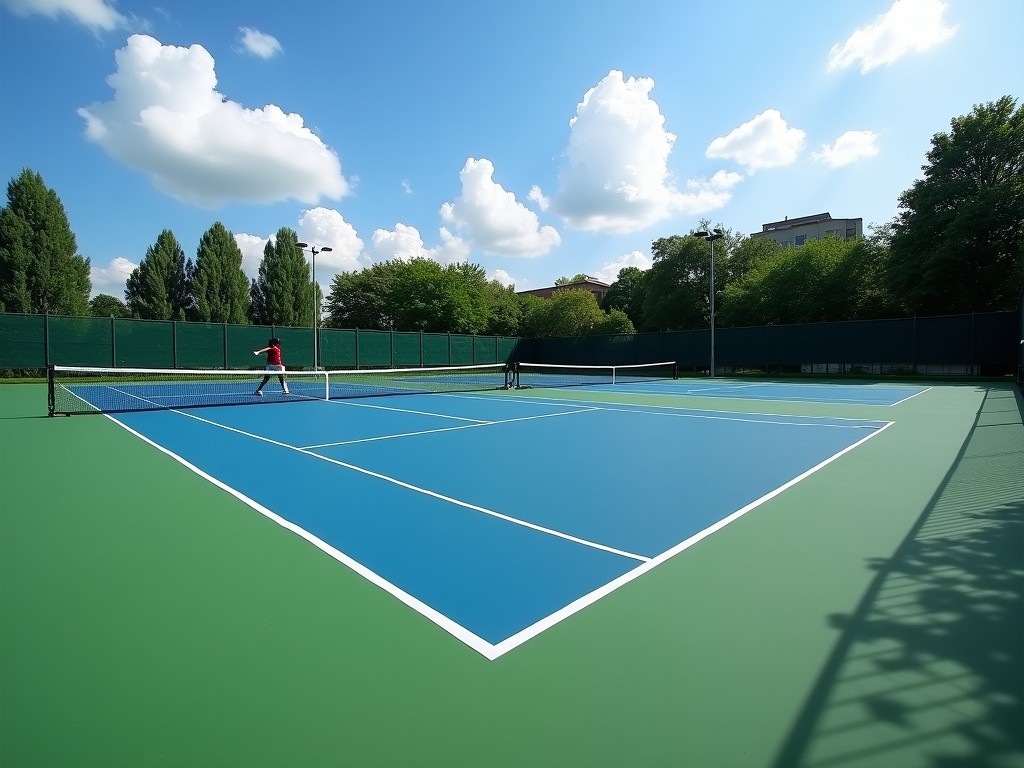
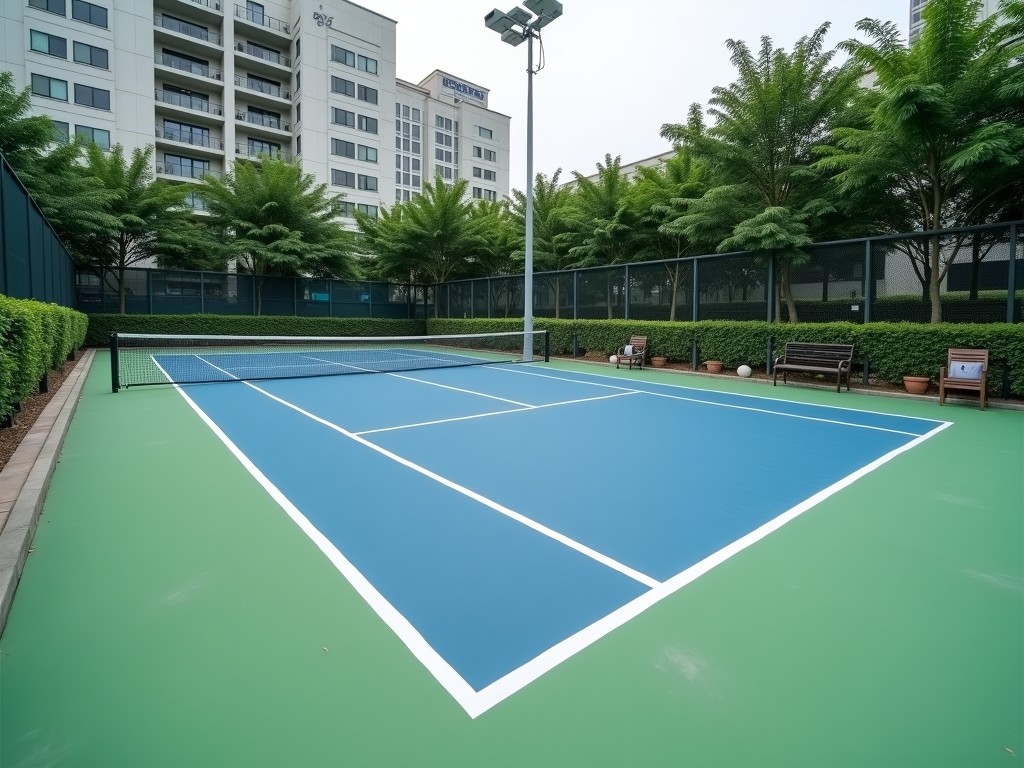
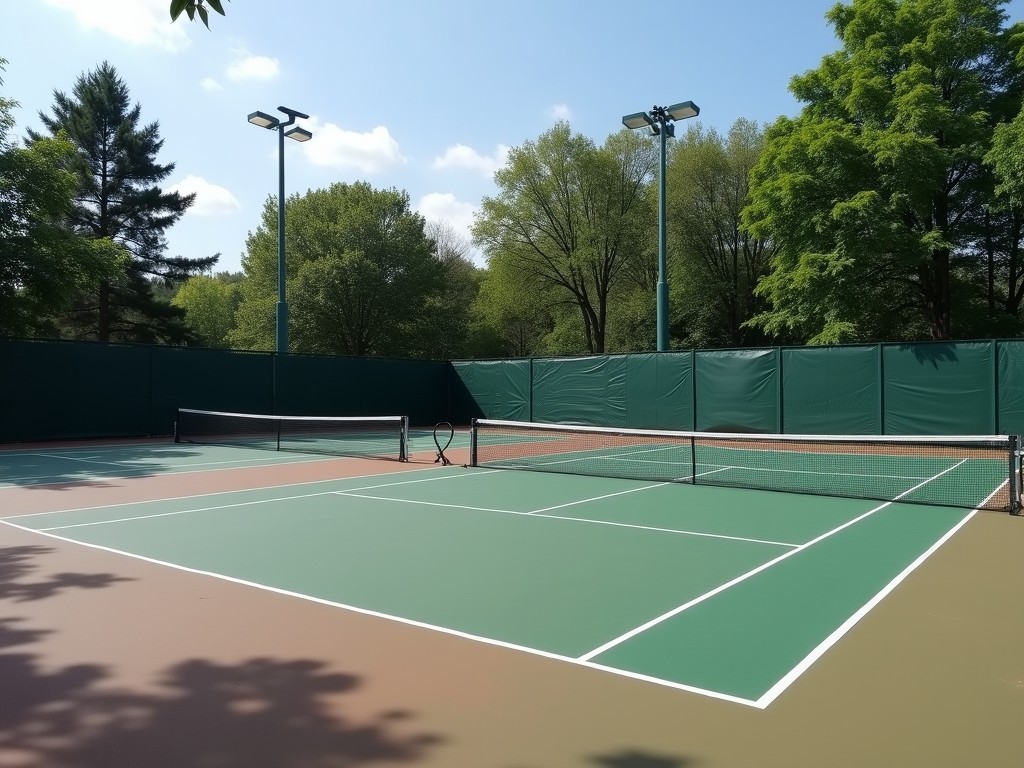
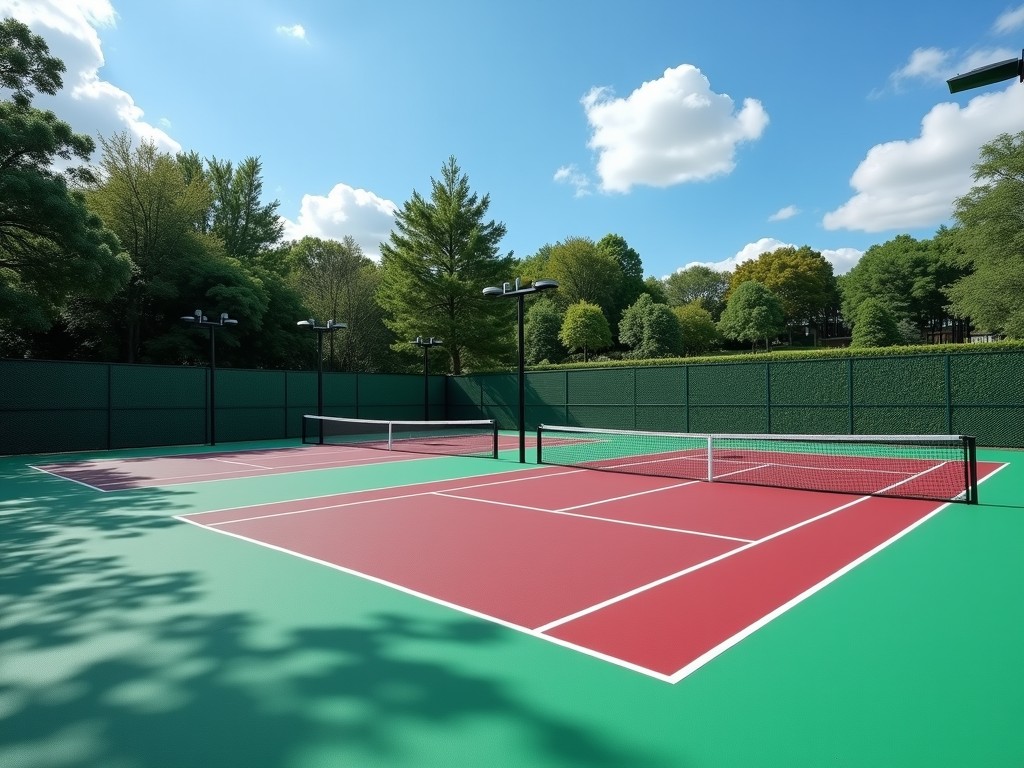
OEM Outdoor Pickleball Court Sports Flooring
Selecting flooring for outdoor pickleball courts requires balancing player safety, surface durability, and environmental resistance. The following sections detail the engineering attributes that define a suitable OEM‑supplied sports flooring system.
Material Composition
The base material is a polypropylene copolymer blended with ethylene‑propylene‑diene monomer (EPDM) rubber granules to achieve a specific Shore A hardness range. UV stabilizers and antioxidant packages are incorporated at concentrations that meet ASTM G154 cycling standards for 3000 hours of exposure. Filler content is adjusted to control density, targeting a range of 0.90–0.95 g/cm³ for optimal shock absorption.
Performance Characteristics
Shock attenuation is quantified by Gmax values measured per ASTM F355, with target readings below 200 g for falls from a standardized height. Slip resistance is evaluated using the British Pendulum Number (BPN) or wet dynamic coefficient of friction (DCOF), aiming for a minimum DCOF of 0.6 under ASTM F2913 conditions. Wear resistance is expressed through Taber abrasion loss, typically less than 80 mg after 1000 cycles with CS‑10 wheels. Drainage capacity is designed to exceed 150 mm/h, preventing water accumulation after rain events. Thermal expansion is accommodated through a modular interlocking geometry that allows ±2 mm movement per meter without joint failure.
| Property | Typical Value / Customizable |
|---|---|
| Base Material | Polypropylene copolymer + EPDM granules |
| Thickness Options | 12 mm, 18 mm, 25 mm (customizable) |
| Shore A Hardness | 65–80 A (adjustable) |
| Gmax (ASTM F355) | < 200 g |
| Wet DCOF (ASTM F2913) | ≥ 0.6 |
| Taber Abrasion Loss | < 80 mg/1000 cycles (CS‑10) |
| Drainage Rate | > 150 mm/h |
| UV Stability | ≥ 3000 h (ASTM G154) |
| Temperature Range | -30 °C to +60 °C |
Installation Guidelines
Installation begins with a compacted granular subbase that meets a minimum bearing capacity of 30 kPa and a slope not exceeding 1 % for drainage. The interlocking tiles are laid dry‑fit, with peripheral edge ramps securing the perimeter and accommodating expansion. Adhesive‑free assembly allows for rapid replacement of individual units without disturbing the surrounding surface.
Customization Options
- Thickness: 12 mm, 18 mm, 25 mm
- Surface texture: smooth, sand‑filled, embossed
- Color: standard RAL palette, custom Pantone matches
- Logo or court line embedding via in‑mold marking
- Edge ramp heights: 10 mm, 15 mm, 20 mm
- Drainage perforation patterns: grid, staggered, directional
Quality Control Philosophy
Each production lot undergoes inline dimensional verification using laser scanners, maintaining tolerances of ±0.5 mm on thickness and ±1 mm on tile width. Durometer testing is performed on every tenth tile to confirm Shore A hardness within the specified range. Accelerated UV exposure tests are conducted on representative samples to validate colorfastness and mechanical retention after 3000 hours.
Applications
Outdoor pickleball courts demand a surface that remains stable under temperature fluctuations, provides consistent ball bounce, and minimizes slip hazards when wet. The described flooring system delivers a uniform coefficient of restitution suitable for competitive play while offering low maintenance requirements. Its modular nature also supports temporary installations for tournaments or community events.
| Parameter | Options |
|---|---|
| Thickness | 12 mm, 18 mm, 25 mm |
| Color | RAL 5005, RAL 6018, custom Pantone |
| Surface Texture | Smooth, sand‑filled, embossed |
| Logo Embedding | In‑mold, laser etched, removable decal |
| Edge Ramp Height | 10 mm, 15 mm, 20 mm |
| Drainage Pattern | Grid, staggered, directional |
Frequently Asked Questions
Can dimensions be customized?
Tile length and width are adjustable in 50 mm increments to match court layout requirements, subject to mold tooling constraints.
What information is required before quotation?
Project dimensions, desired thickness, color preferences, subgrade conditions, and any special markings or logos.
How is quality inspected?
Incoming material is tested for melt flow index, finished tiles undergo dimensional, hardness, and UV aging checks per internal SOPs.