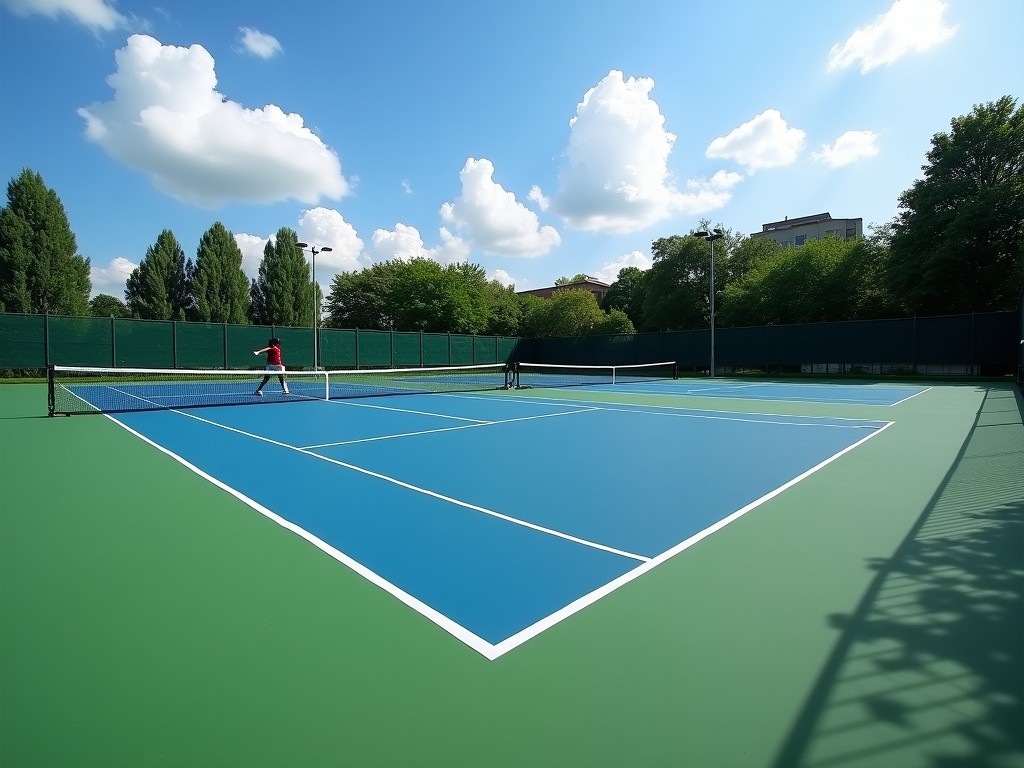
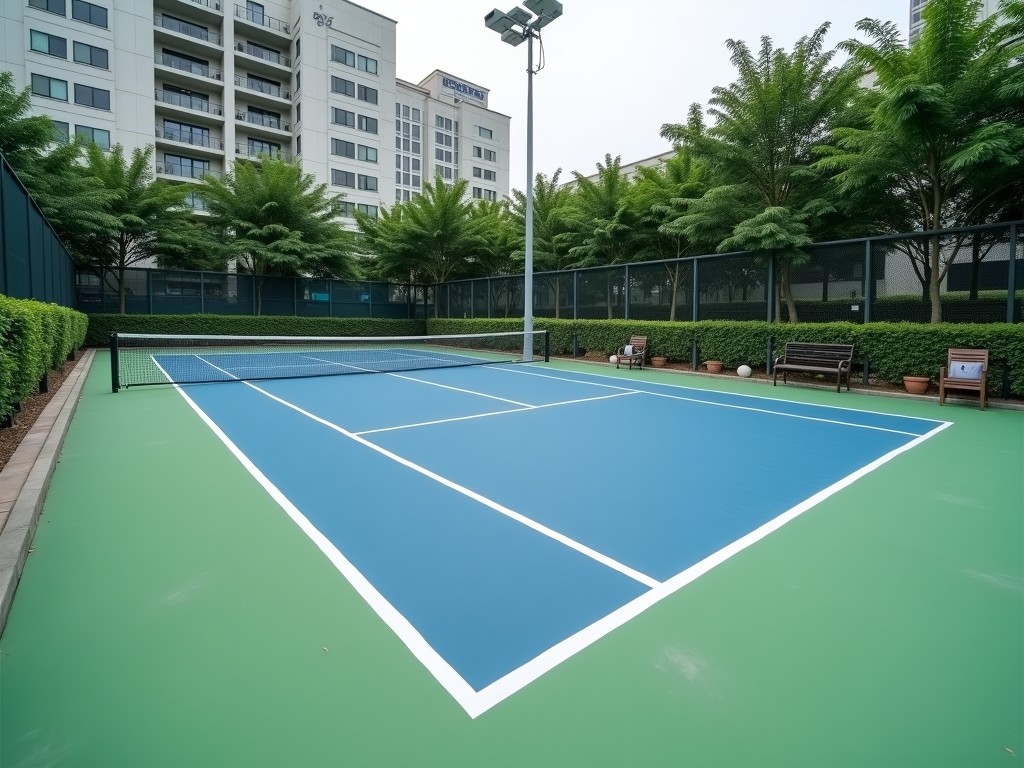
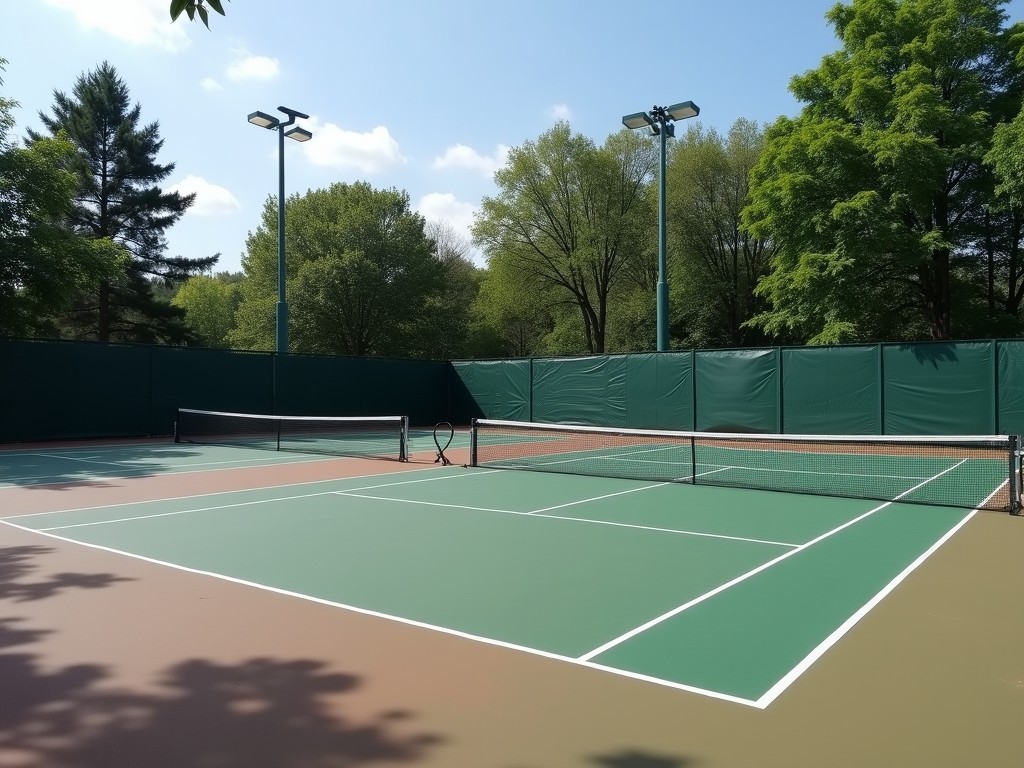
Factory Direct Interlocking Basketball Flooring Outdoor Exporter
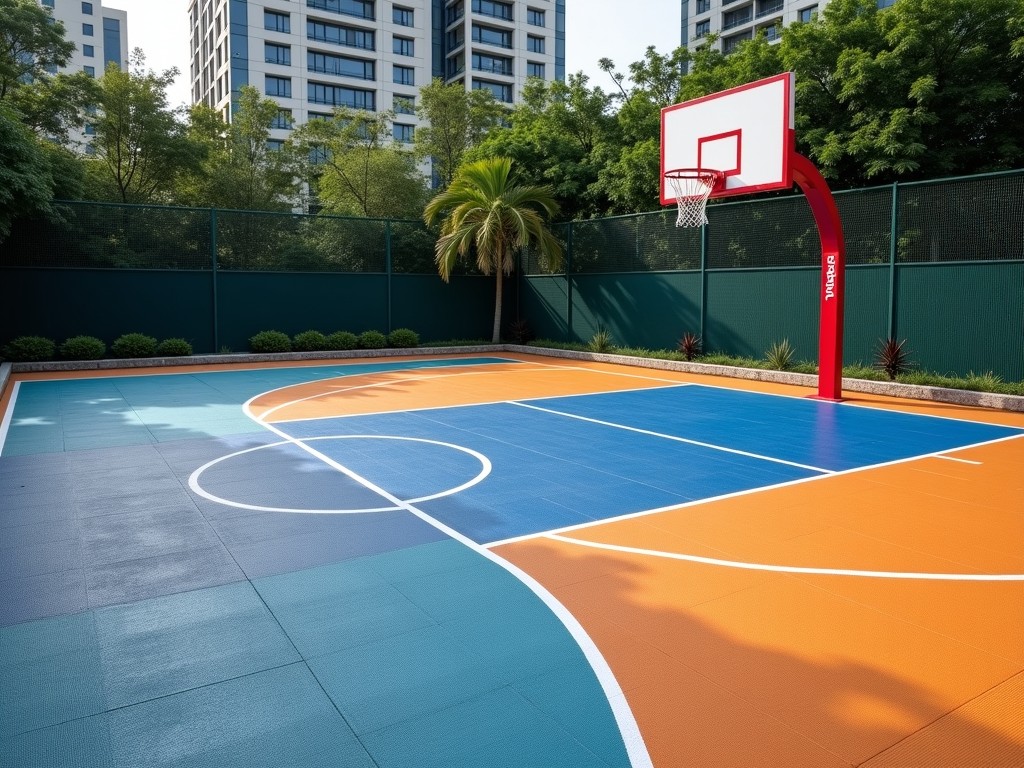
Factory Direct Interlocking Basketball Flooring Outdoor Exporter
Factory Direct Interlocking Outdoor Basketball Flooring
Product Overview
Interlocking basketball flooring designed for outdoor courts consists of modular tiles that snap together without adhesives, providing a seamless playing surface that accommodates thermal expansion and contraction. Each tile features a textured top layer for slip resistance and a reinforced underside for load distribution.
Material Composition
The primary polymer is virgin polypropylene blended with UV stabilizers and impact modifiers, yielding a melt flow index of 8–10 g/10 min and a tensile strength of approximately 28 MPa. A recycled rubber granule layer, typically 15 % by weight, is co‑extruded to enhance shock absorption and reduce ball bounce variance.
Interlocking Design
Tiles employ a male‑female edge system with a 3 mm overlap and a flexible tongue that locks under a 150 N lateral force, preventing separation under dynamic loads while allowing manual disengagement for maintenance. The interlock geometry accommodates substrate unevenness up to 5 mm without creating gaps.
Performance Characteristics
| Property | Typical Value | Test Reference |
|---|---|---|
| Tile thickness | 22 mm | Internal caliper |
| Compressive strength | 1.2 MPa (at 10 % strain) | ASTM D695 |
| UV resistance (color change) | ΔE < 5 after 1500 h QUV | ASTM G154 |
| Slip resistance (wet) | Coefficient of friction ≥ 0.6 | ASTM E303 |
| Temperature operating range | ‑30 °C to +60 °C | Manufacturer rating |
Installation Method
Prepare a compacted granular base with a minimum 100 mm thickness and a tolerance of ±3 mm over a 2 m span. Lay tiles starting at a corner, applying a gentle downward pressure to engage the interlock; a rubber mallet may be used to seat joints without damaging edges. Expansion gaps of 10 mm per 10 m are left at perimeter boundaries and filled with flexible sealant.
Typical Applications
- Outdoor basketball courts in schools, community centers, and recreational parks where quick installation and surface durability are required.
- Multi‑sport surfaces that need consistent ball bounce and player traction across varying weather conditions.
- Temporary event flooring for tournaments, allowing rapid assembly and disassembly without damaging underlying substrates.
Quality Assurance
Each production lot undergoes dimensional inspection (±0.5 mm on length/width, ±0.3 mm on thickness) and a functional interlock test where 100 tiles are assembled and subjected to 500 load‑release cycles; any joint showing >0.2 mm movement triggers lot rejection. Color uniformity is verified using a spectrophotometer with ΔE tolerance of 2.0.
Customization Options
Tile thickness can be adjusted from 18 mm to 28 mm to meet specific load or shock‑absorption requirements. Surface texture options include fine‑grain for indoor‑outdoor crossover use or coarse‑grain for enhanced grip. Color matching to corporate or institutional palettes is available upon receipt of a Pantone or RAL reference.
Packaging & Logistics
Tiles are stacked in layers separated by polyethylene sheets, then placed on heat‑treated pallets with a maximum load of 1 tonne per pallet. Corner protectors and stretch film secure the load, while a moisture‑barrier liner guards against humidity during sea freight. Each pallet bears a label indicating SKU, batch number, and quantity for easy cross‑checking at destination.
Frequently Asked Questions
- Can dimensions be customized? Yes, tile length and width can be altered in 50 mm increments to suit court layouts, subject to tooling availability.
- What information is required before quotation? Project area, desired thickness, surface texture, color, and delivery destination enable accurate pricing and lead‑time estimation.
- How is quality inspected? Incoming raw material is tested for melt flow and UV content; finished tiles undergo dimensional, mechanical, and interlock performance checks as described above.
- What packaging methods are available? Standard palletized packing is default; custom crating or container‑load optimization can be arranged for specialized handling.
- How are export shipments protected? Pallets are wrapped in UV‑stable stretch film, fitted with corner guards, and placed in containers with desiccant bags to limit moisture ingress.
- What is the typical production lead time? For standard specifications, lead time ranges from 18 to 25 working days after receipt of confirmed purchase order; custom colors or thicknesses may extend this period.
- How are samples arranged? Sample kits containing up to four tiles with selected texture and color can be dispatched via express courier, with shipping costs credited upon order confirmation.
Contact for Inquiry
To obtain a detailed quotation, technical data sheets, or to discuss project‑specific requirements, please reach out via the contact form or email address provided below. Our engineering team will respond with a comprehensive proposal within one business day.