Custom Types Of Outdoor Basketball Court Surfaces Supplier
Custom Types Of Outdoor Basketball Court Surfaces Supplier
Custom Outdoor Basketball Court Surfaces
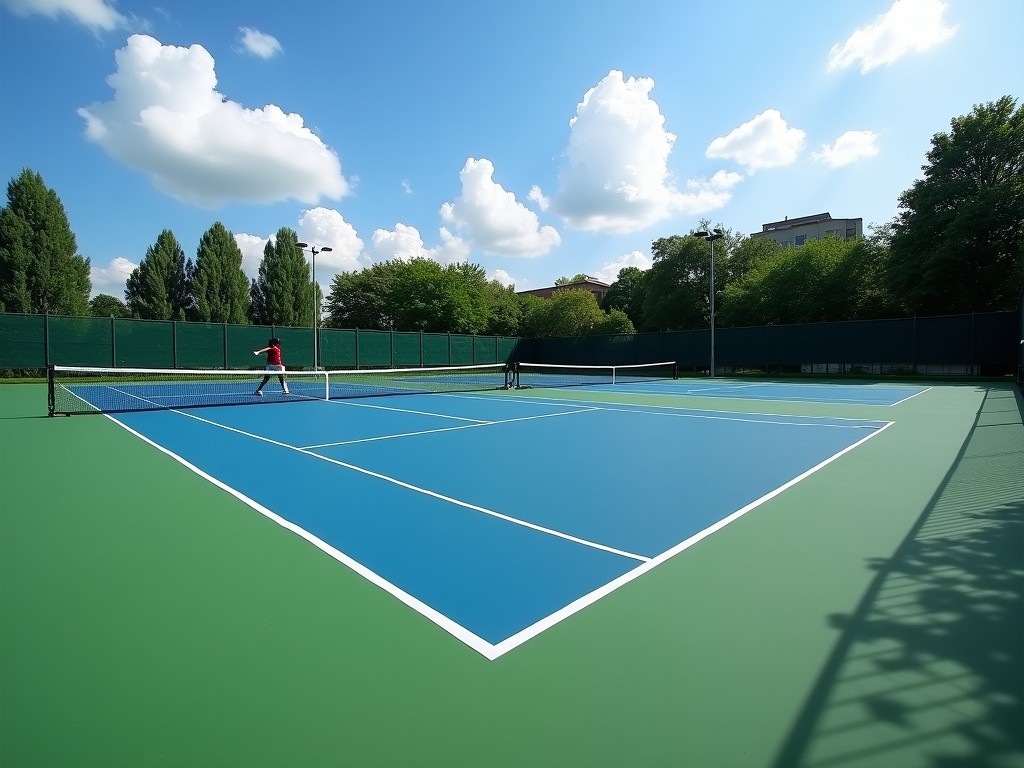
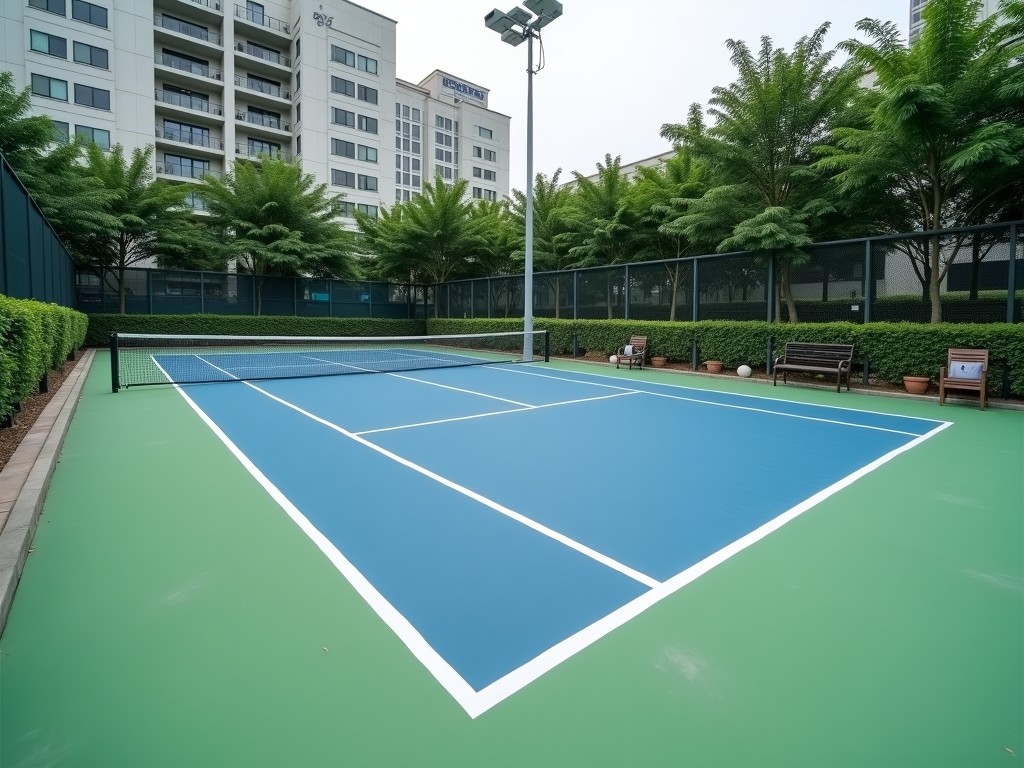
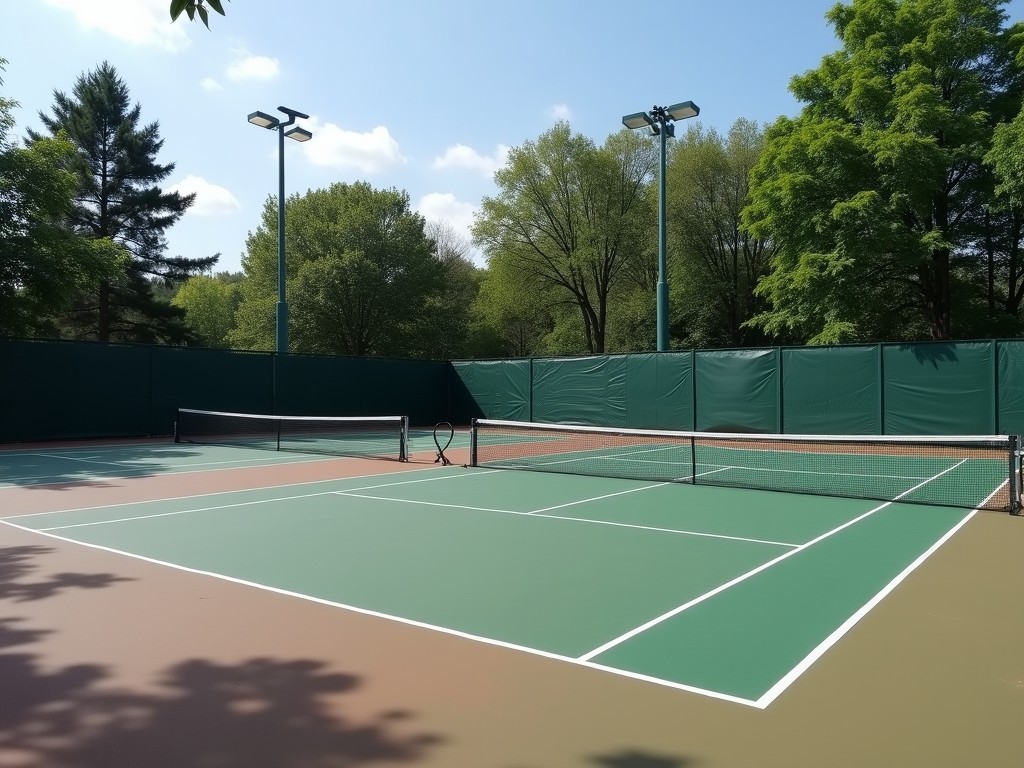
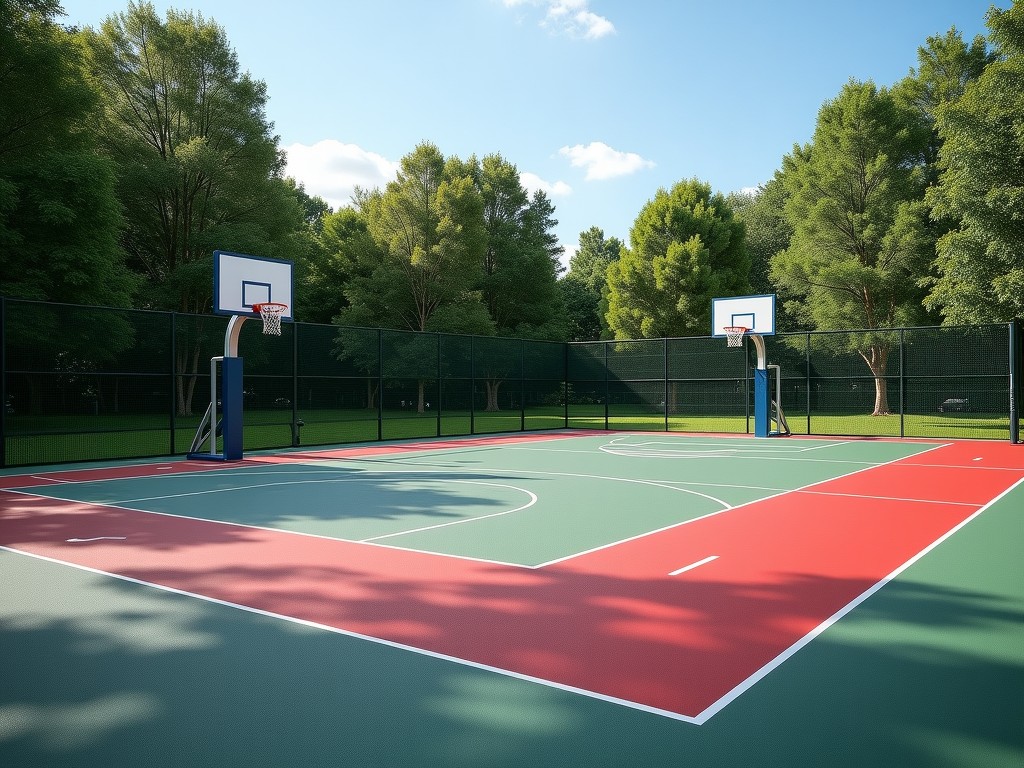
Outdoor basketball courts require surfaces that combine consistent ball bounce, adequate traction for quick direction changes, and resistance to weathering. The material system must accommodate thermal expansion, UV exposure, and periodic cleaning while maintaining performance over many seasons.
Material Composition and Engineering Properties
Typical formulations include a polyurethane binder mixed with rubber granules or acrylic resin combined with silica sand. These combinations produce a monolithic layer whose thickness can be adjusted from 3 mm to 12 mm depending on the desired shock absorption level.
Key measurable properties are Shore A hardness (usually between 45 and 70), coefficient of friction (wet and dry values ranging from 0.5 to 0.8), water permeability rate (often 0.5–2 mm/min for porous systems), and temperature stability (‑20 °C to +60 °C).
| Property | Typical Range | Test Standard |
|---|---|---|
| Thickness | 3–12 mm | ASTM D412 |
| Shore A Hardness | 45–70 | ASTM D2240 |
| Coefficient of Friction (dry) | 0.6–0.8 | ASTM E303 |
| Water Permeability | 0.5–2 mm/min | ASTM C1701 |
| Temperature Range | ‑20 °C to +60 °C | Manufacturer data |
Customization Options
Buyers can specify surface thickness, color palette, surface texture, and integrated line‑marking systems to meet site‑specific performance and aesthetic requirements.
- Thickness: selectable in 1 mm increments within the 3–12 mm range.
- Color: standard RAL or custom‑mixed pigments; UV‑stable formulations available.
- Texture: fine‑sand finish for high traction or smoother finish for reduced wear on shoe soles.
- Line‑marking: pre‑formed epoxy inlay or spray‑applied acrylic, width and color per FIBA or NBA standards.
- Shock‑absorption layer: optional recycled rubber underlay to increase impact attenuation.
Surface Performance Characteristics
Ball rebound consistency is measured as the percentage of rebound height relative to a concrete baseline; typical values fall between 90 % and 95 % for properly cured surfaces.
Impact attenuation, important for player safety, is expressed as G‑max; systems with an underlying rubber layer often achieve G‑max below 150 g, meeting ASTM F1292 thresholds for playground surfacing.
Wear resistance is evaluated using Taber abrasion tests; loss of mass after 1000 cycles typically remains under 50 mg for the polyurethane‑rubber blends.
| Parameter | Typical Value (Surface) | Reference (Concrete) |
|---|---|---|
| Ball Rebound (%) | 92 | 100 |
| G‑max (g) | 130 | 200+ |
| Abrasion Loss (mg/1000 cycles) | 45 | 80 |
Installation Considerations
Proper sub‑base preparation is critical; a compacted crushed stone layer with a minimum 95 % Proctor density provides load distribution and limits settlement.
Surface slope should be between 0.5 % and 1 % to ensure drainage without affecting ball roll.
- Sub‑base: 100 mm compacted aggregate, geotextile separator optional.
- Primer coat: polyurethane‑based, applied at 0.1 mm thickness to enhance adhesion.
- Top‑coat application: poured or sprayed, thickness verified with wet‑film gauges.
- Curing time: 24 h at 20 °C before light use; 7 d for full mechanical properties.
- Expansion joints: placed every 6 m to accommodate thermal movement.
Quality Control and Testing
Each batch undergoes raw‑material verification; viscosity and solids content of the binder are measured before mixing.
In‑process checks include thickness monitoring with laser gauges and visual inspection for uniformity.
Finished panels are subjected to rebound, friction, and abrasion tests per ASTM F2772; results are recorded and supplied with the shipment.
Applications
Facilities that require a durable, low‑maintenance playing surface benefit from these systems because they resist cracking from freeze‑thaw cycles and provide consistent performance regardless of seasonal temperature swings.
- School and university outdoor courts.
- Community recreation centers.
- Professional team training complexes.
- Temporary event installations (e.g., festivals, tournaments).
- Multi‑use sports pads where basketball shares the area with volleyball or futsal.
Frequently Asked Questions
Yes. The surface can be poured to any planar shape; standard panel sizes are 1 m × 1 m for modular tiles, but seamless pours are limited only by site access.
Q: What information is required before quotation?Project area, desired thickness, color preference, substrate condition, and any specific performance standards (e.g., FIBA, local building code).
Q: What materials are available?Polyurethane‑rubber blends, acrylic‑silica systems, and modular polypropylene tiles; all can be supplied with optional shock‑absorbing underlay.
Q: How is quality inspected?In‑process thickness checks, post‑cure rebound and friction tests, and visual defect inspection; test reports accompany each lot.
Q: What packaging methods are available?Bulk liquid components in sealed drums, pre‑mixed pouches for small jobs, or palletized modular tiles with protective corner guards.
Contact for Technical Inquiry
To discuss project‑specific requirements, send your site plan, desired performance criteria, and any relevant drawings to our technical team. We will respond with a detailed material proposal, lead time, and logistics options.