Custom Portable Padel Court Flooring Manufacturer
Custom Portable Padel Court Flooring Manufacturer
Custom Portable Padel Court Flooring Manufacturer
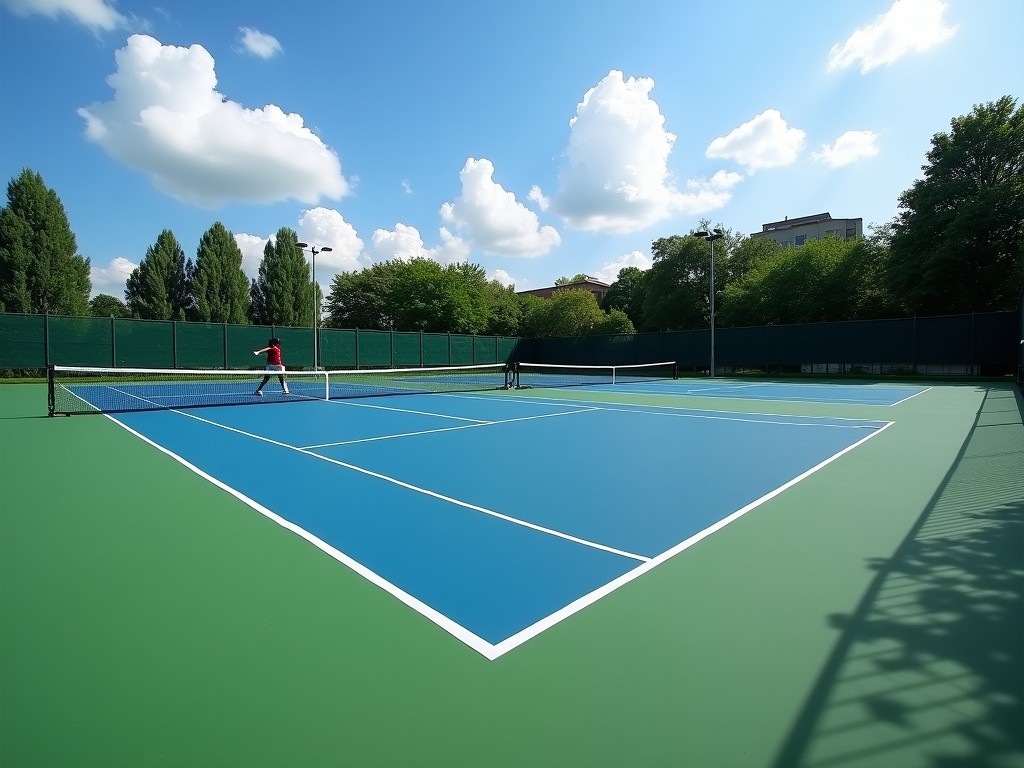
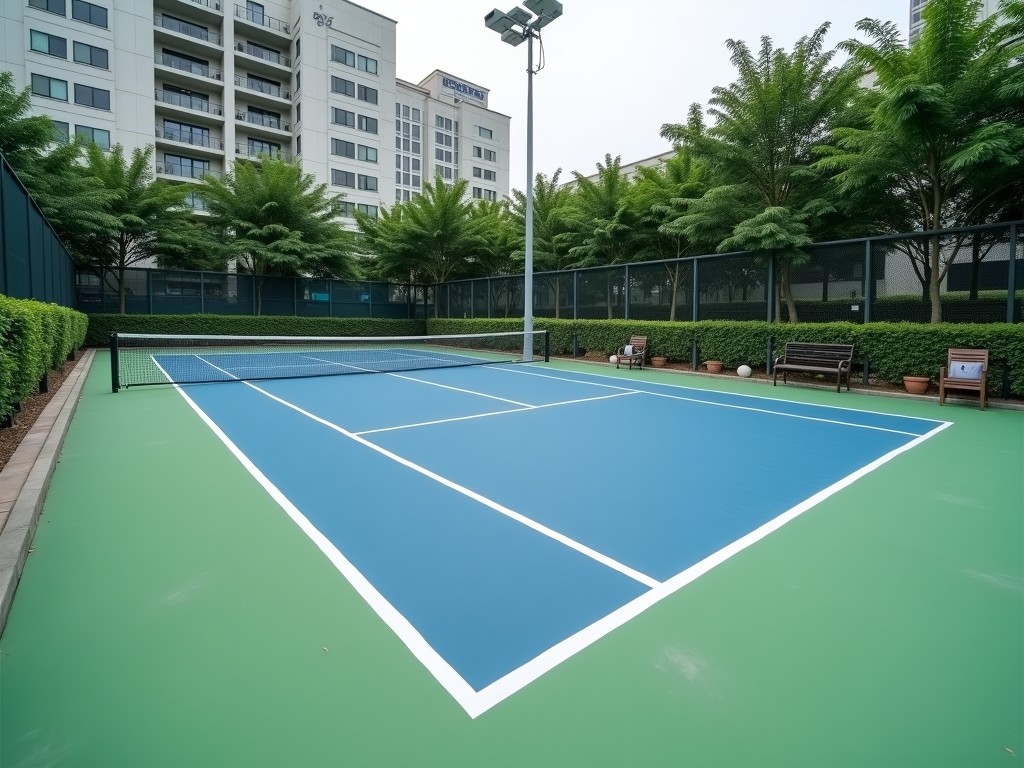
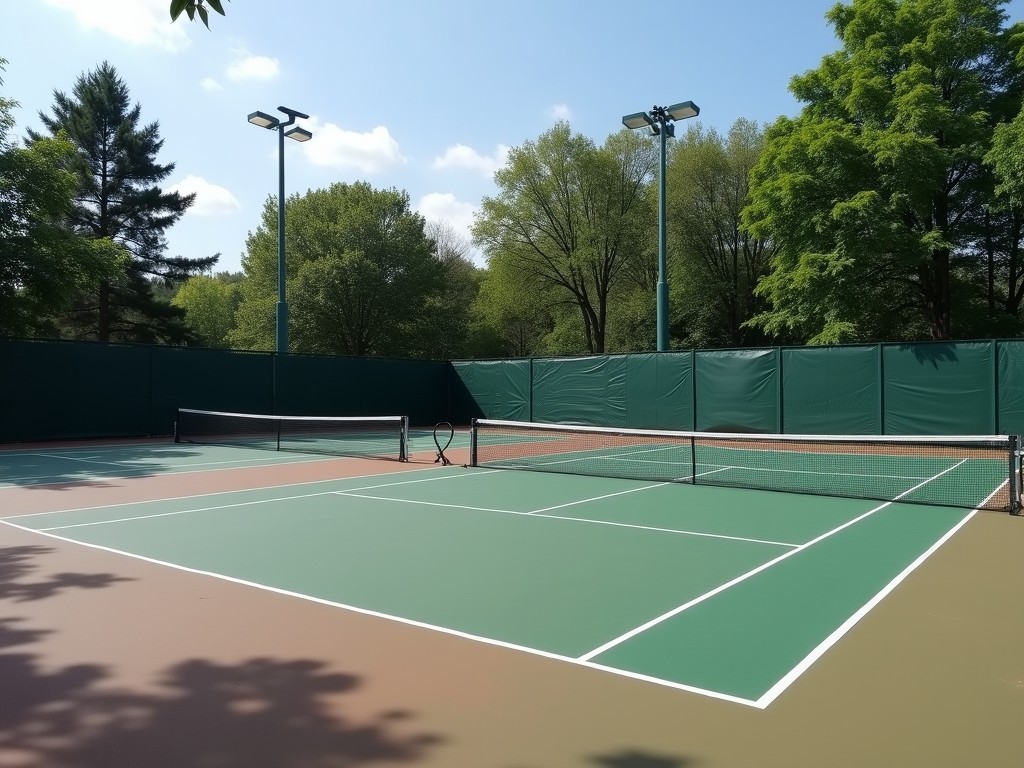
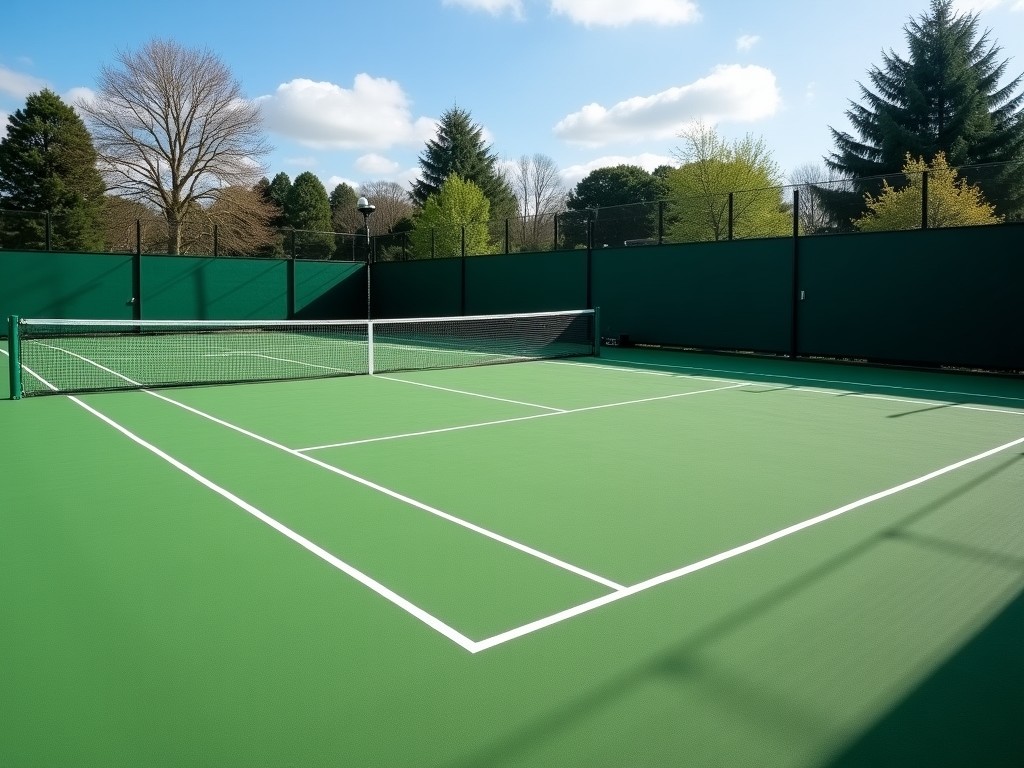
Portable padel court flooring consists of interlocking tiles that can be assembled and disassembled quickly, providing a playable surface without permanent installation. Customization allows the system to match specific court dimensions, performance requirements, and branding needs while maintaining transportability.
Material Composition and Engineering
The core of each tile is typically a copolymer polypropylene blend selected for its high impact resistance and low water absorption. A surface layer incorporates granulated rubber or polyurethane to achieve the desired coefficient of friction, while UV stabilizers are added to prevent degradation under outdoor exposure. Reinforced edge profiles are molded into the tile to distribute loads evenly across the interlocking joints.
Performance Characteristics
Shock absorption is measured by the force reduction rating, which commonly falls between 25 % and 35 % for padel‑specific surfaces, reducing player fatigue. Slip resistance is evaluated using the pendulum test, with target values ranging from 45 to 55 PTV under wet conditions. The drainage design incorporates micro‑channels that allow water to pass through at a rate of at least 150 mm/h, preventing surface pooling.
Load bearing capacity is determined by the compressive strength of the polypropylene core, typically exceeding 2 MPa, which supports the dynamic loads generated during rapid lateral movements and occasional equipment placement.
Customization Options
- Tile dimensions adjustable from 250 mm × 250 mm to 500 mm × 500 mm to suit different court layouts.
- Thickness options range from 12 mm for lightweight transport to 20 mm for enhanced shock absorption.
- Surface textures include smooth, fine‑grain, and anti‑slip patterns, each affecting ball rebound and player grip.
- Color can be matched to corporate palettes using UV‑stable pigments, with standard options in green, blue, and terracotta.
- Interlocking mechanisms can be configured as male‑female tabs or dovetail locks, influencing assembly speed and lateral stability.
Installation and Portability
Tiles are designed to snap together without adhesives or tools, allowing a crew of two to cover a standard 10 m × 20 m court in under 30 minutes. The interlocking system provides lateral restraint while permitting vertical movement to accommodate minor substrate variations.
Each tile weighs between 1.2 kg and 2.0 kg depending on thickness, enabling manual handling and stacking on pallets for transport. A typical 20‑foot container can hold approximately 3,000 tiles, sufficient for multiple courts.
Disassembly follows the reverse sequence, with tiles released by applying a slight upward force at the joint edges, minimizing damage to the interlocking features.
Quality Control and Testing
Incoming raw material is screened for melt flow index and density to ensure batch consistency. During molding, each tile undergoes dimensional inspection using laser scanners, with tolerances held to ±0.2 mm on length and width.
Finished tiles are sampled for shock absorption, slip resistance, and compressive strength according to ITF‑pad‑approved test methods. Results are recorded and compared against predefined acceptance criteria before release.
Traceability is maintained through laser‑etched lot numbers, facilitating root‑cause analysis if any field performance issue arises.
Applications
Portable padel flooring is ideal for clubs that require seasonal court reconfiguration, allowing the same area to host tennis or multipurpose activities when not in use for padel.
Tournament organizers benefit from rapid deployment and removal, reducing venue preparation time and labor costs.
Facilities with limited permanent construction rights, such as indoor exhibition halls or temporary pop‑up venues, can achieve regulation‑compliant playing surfaces without structural modifications.
| Parameter | Typical Value | Notes |
|---|---|---|
| Tile thickness | 12 mm – 20 mm | Selected based on shock absorption needs |
| Weight per tile | 1.2 kg – 2.0 kg | Varies with thickness and infill |
| Force reduction | 25 % – 35 % | Measured per ASTM F2772 |
| Slip resistance (wet PTV) | 45 – 55 | Pendulum test, slider 96 |
| Drainage rate | ≥150 mm/h | Through‑tile micro‑channels |
Frequently Asked Questions
Can dimensions be customized? Yes, tile size and court layout are adjusted per project requirements; provide CAD drawings or detailed measurements for accurate quoting.
What information is required before quotation? We need court dimensions, desired thickness, surface texture preference, color, and expected usage frequency (hours per day).
What materials are available? Core materials include polypropylene copolymers; surface layers use granulated rubber, polyurethane, or hybrid blends, all with UV stabilizers.
How is quality inspected? Each batch undergoes dimensional, mechanical, and surface property testing; results are documented and available upon request.
What packaging methods are available? Tiles are stacked in corrugated pallets with stretch film wrap; custom crating options exist for overseas shipments.
For a detailed technical consultation or to request a sample kit, please contact our engineering team.