Custom Outdoor Basketball Court Surfaces Manufacturer
Custom Outdoor Basketball Court Surfaces Manufacturer
Custom Outdoor Basketball Court Surfaces Manufacturer
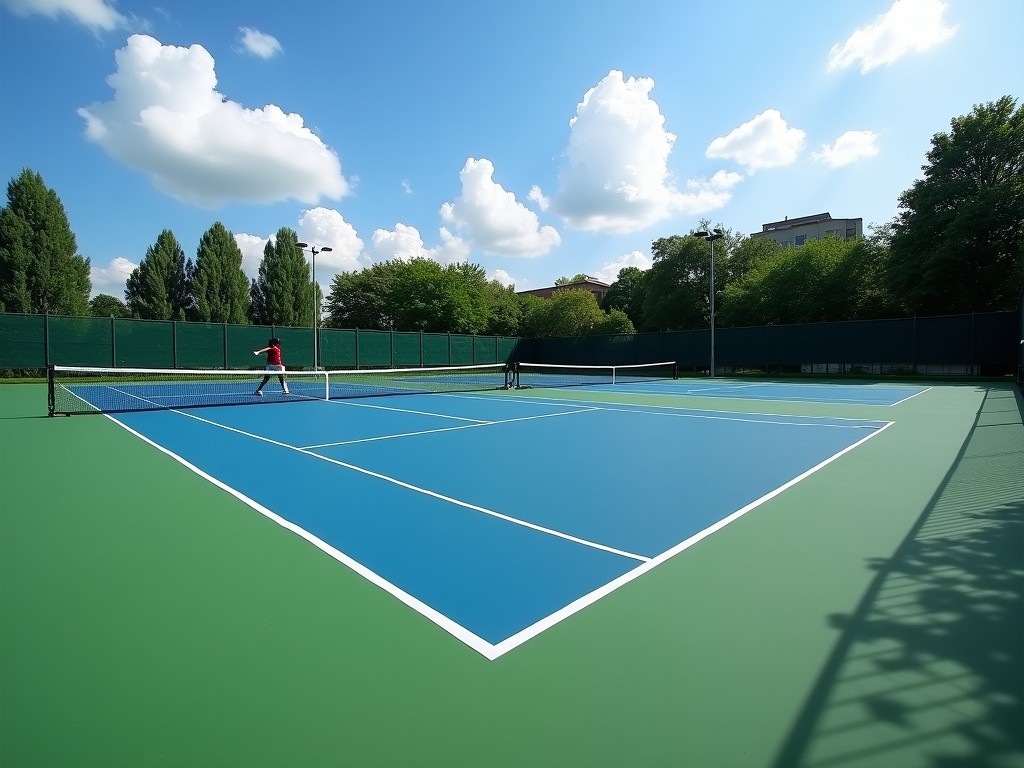
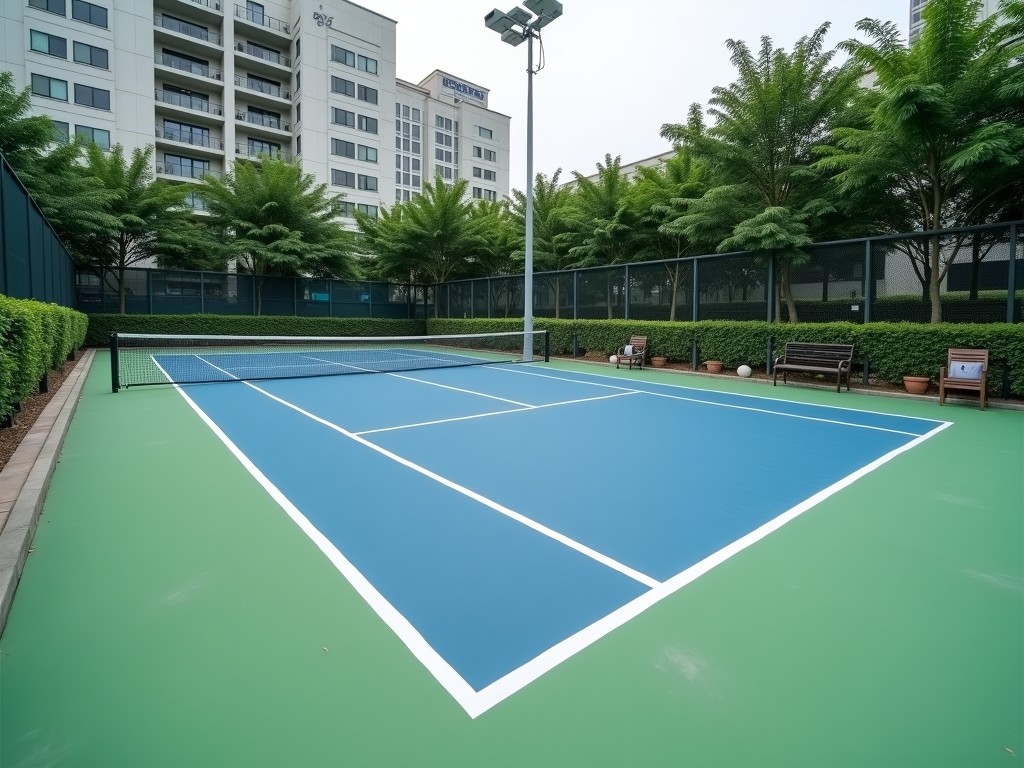
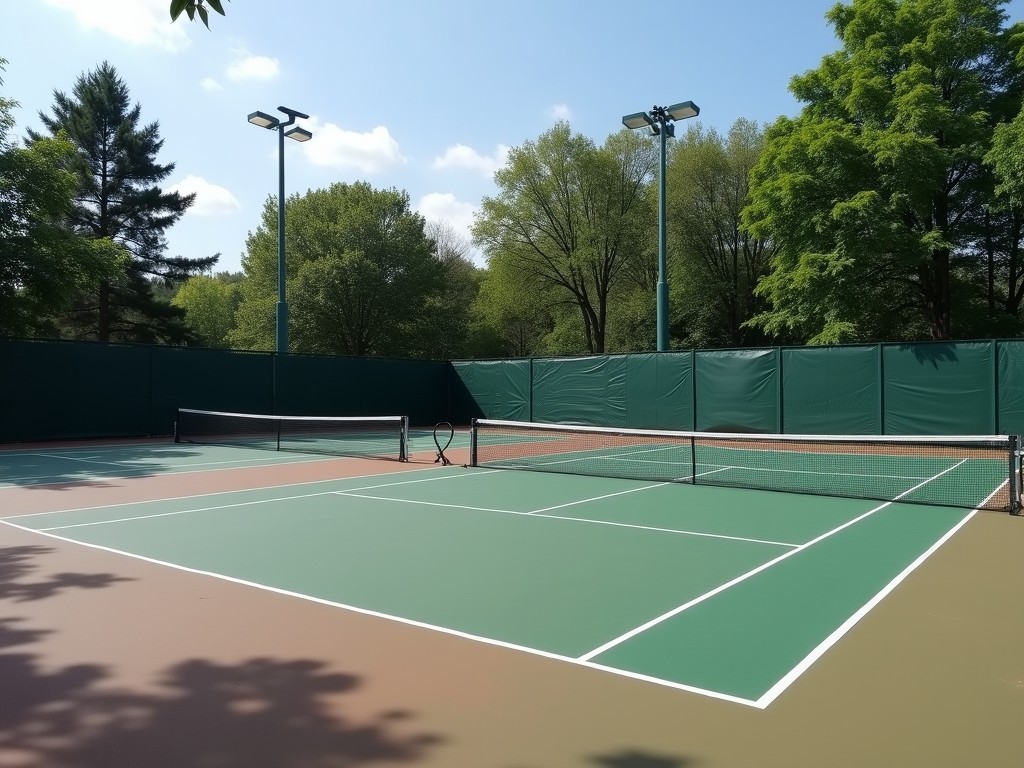
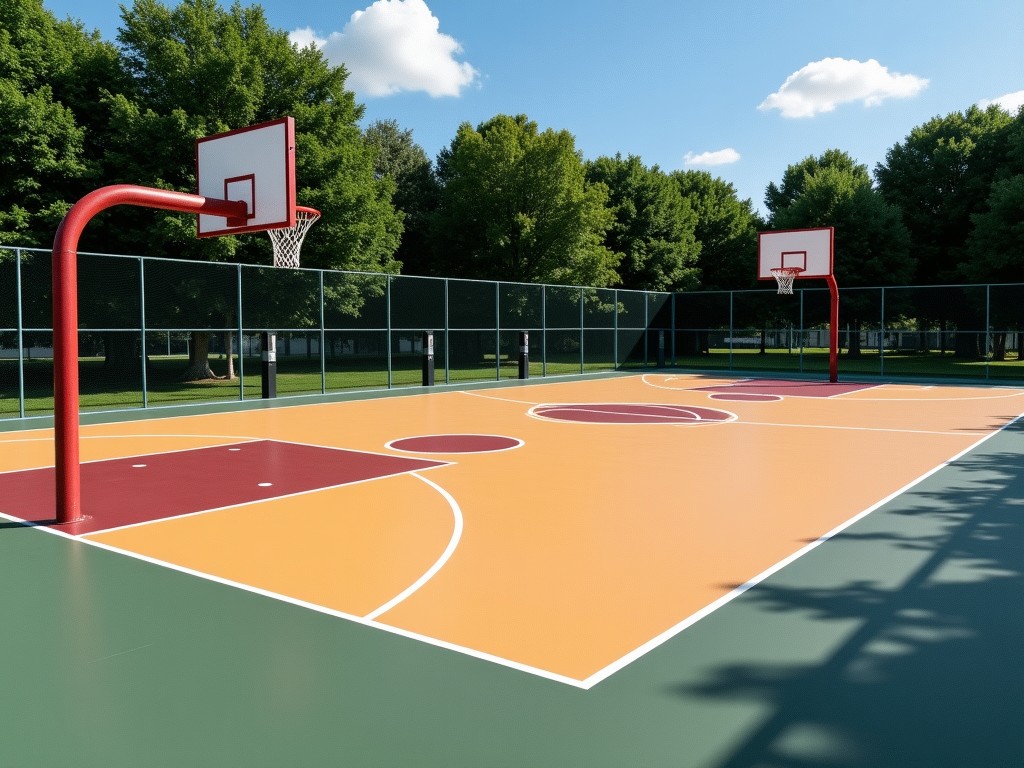
The surface system is engineered for outdoor basketball courts where exposure to sunlight, temperature fluctuations, and mechanical wear demand specific performance traits. Manufacturers formulate a polymer‑rubber composite that balances impact attenuation with surface durability, allowing the court to maintain consistent play characteristics over many seasons.
Each project begins with a technical consultation to determine slab thickness, drainage capacity, and colorfastness requirements based on site climate and expected usage intensity. This approach reduces uncertainty for procurement managers by aligning material selection with measurable engineering criteria rather than generic marketing claims.
Material Composition and Engineering Properties
The base matrix typically consists of styrene‑butadiene rubber (SBR) granules blended with a polyurethane binder, providing elasticity and adhesion to concrete or asphalt substrates. UV stabilizers and antioxidants are added at controlled concentrations to limit polymer chain degradation under prolonged solar exposure.
Typical formulation yields a bulk density of 1.1–1.3 g/cm³, a Shore A hardness ranging from 45 to 55, and a tensile strength of 1.8–2.5 MPa. These values are measured according to ASTM D2240 (hardness) and ASTM D412 (tensile) on cured specimens.
Porosity is engineered to allow vertical drainage rates of 150–300 mm/h, preventing surface water accumulation that could affect ball bounce and player traction. The drainage capacity is adjustable by varying the ratio of open‑cell rubber granules to binder during mixing.
Performance Characteristics
| Property | Typical Value | Test Standard | Notes |
|---|---|---|---|
| Thickness | 12–20 mm | ASTM D412 | Selected based on load expectations |
| Shock Absorption (Force Reduction) | 35–45 % | ASTM F2772 | Reduces impact stress on joints |
| Slip Resistance (Coefficient of Friction) | 0.6–0.8 (wet) | ASTM E303 | Meets sports‑surface safety thresholds |
| UV Stability (ΔE after 1000 h) | <4 units | ASTM G154 | Minimal perceptible color change |
Customization Options
- Surface thickness adjustable from 12 mm to 20 mm in 2 mm increments
- Color palette includes standard RAL shades and custom pigment blends
- Texture options: fine‑grip for ball control or medium‑grip for multi‑use courts
- Integrated drainage channels can be patterned to match site slope
- Pre‑formed line‑marking inlays available for permanent court markings
Installation Considerations
Proper substrate preparation is critical; the concrete or asphalt base must meet flatness tolerances of ±3 mm over a 2 m straightedge and exhibit compressive strength ≥25 MPa. A primer compatible with the polyurethane binder enhances adhesion and prevents delamination.
Expansion joints are incorporated at intervals of 3–5 m to accommodate thermal movement, with joint fillers selected to maintain a uniform surface profile. Installation crews use screeds and rollers calibrated to achieve the specified thickness uniformly across the court area.
Curing time varies with ambient temperature; at 20 °C the system reaches 80 % of its final hardness within 24 h and full mechanical properties after 7 days. These parameters are documented in the product data sheet for each formulation.
Quality Control and Testing
Each batch undergoes in‑line viscosity monitoring to ensure consistent mixing ratios, followed by laboratory curing of test specimens. Hardness, tensile strength, and porosity are measured on three samples per lot, with results compared against predefined control limits.
Finished panels are inspected for surface defects using 10× magnification lighting; any area exceeding 0.5 mm deviation from nominal thickness is flagged for rework. Final verification includes slip‑resistance testing on the installed surface to confirm field performance matches laboratory values.
Applications and Suitability
Outdoor basketball courts require a surface that maintains consistent ball rebound despite temperature swings; the engineered elasticity of the SBR‑PU blend provides a rebound variance of less than 5 % between −10 °C and +40 °C.
The slip‑resistance coefficient remains within the safe range for lateral movements even after prolonged exposure to rain, reducing the risk of ankle injuries. Combined with rapid drainage, the court dries within 30 minutes of moderate rainfall, allowing uninterrupted scheduling.
These performance attributes make the surface suitable for municipal parks, school facilities, and private clubs where low maintenance and long service life are procurement priorities.
Frequently Asked Questions
- Can dimensions be customized? Yes, length and width are tailored to site specifications; standard panel sizes are 1 m × 1 m for ease of handling, but custom lengths up to 5 m are available upon request.
- What information is required before quotation? Project address, substrate type, desired thickness, color preference, and expected usage intensity (hours per day) enable accurate material and logistics planning.
- How is quality inspected? Refer to the Quality Control section; inspections include batch testing, thickness verification, and slip‑resistance confirmation on installed samples.
- What packaging methods are available? Panels are stacked on pallets with protective polyethylene film and corner guards; export shipments include moisture‑barrier wrapping and steel strapping.
- What is the typical production lead time? Lead time ranges from 3 to 6 weeks depending on order complexity and current capacity; exact timing is confirmed after technical review.