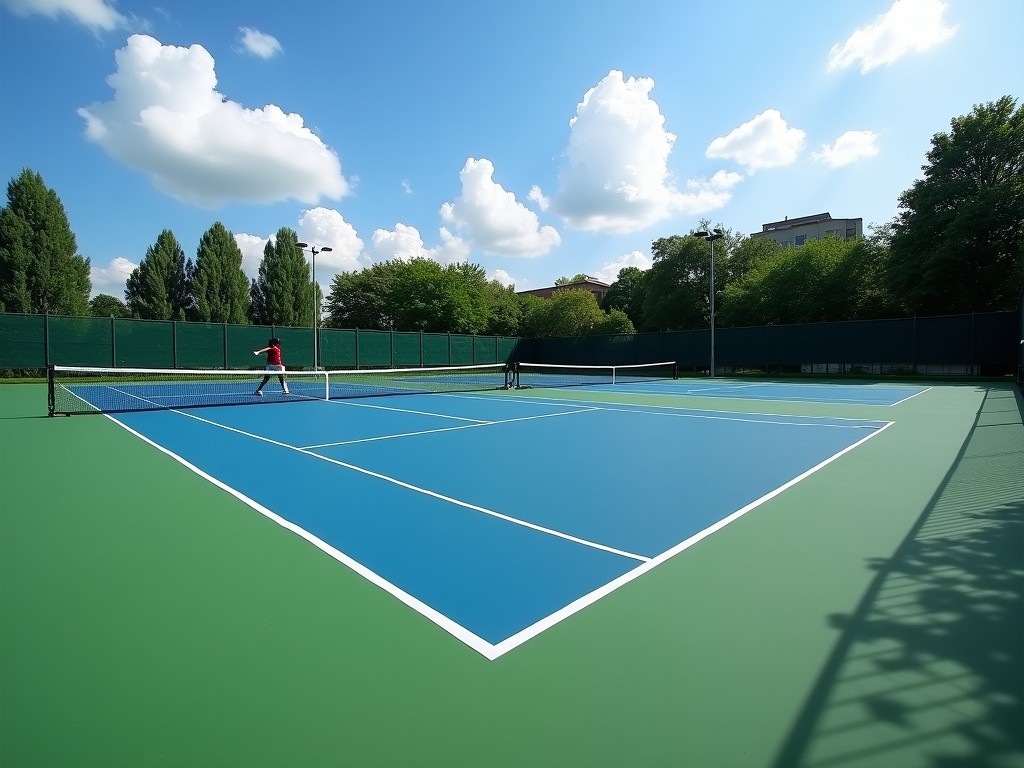
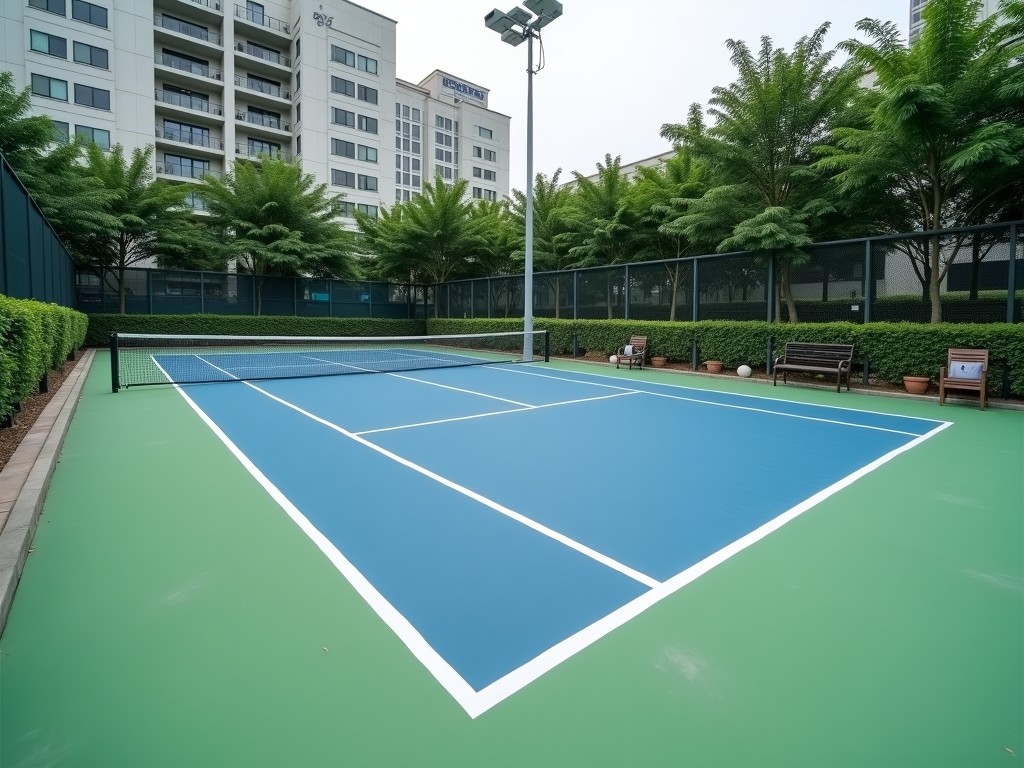
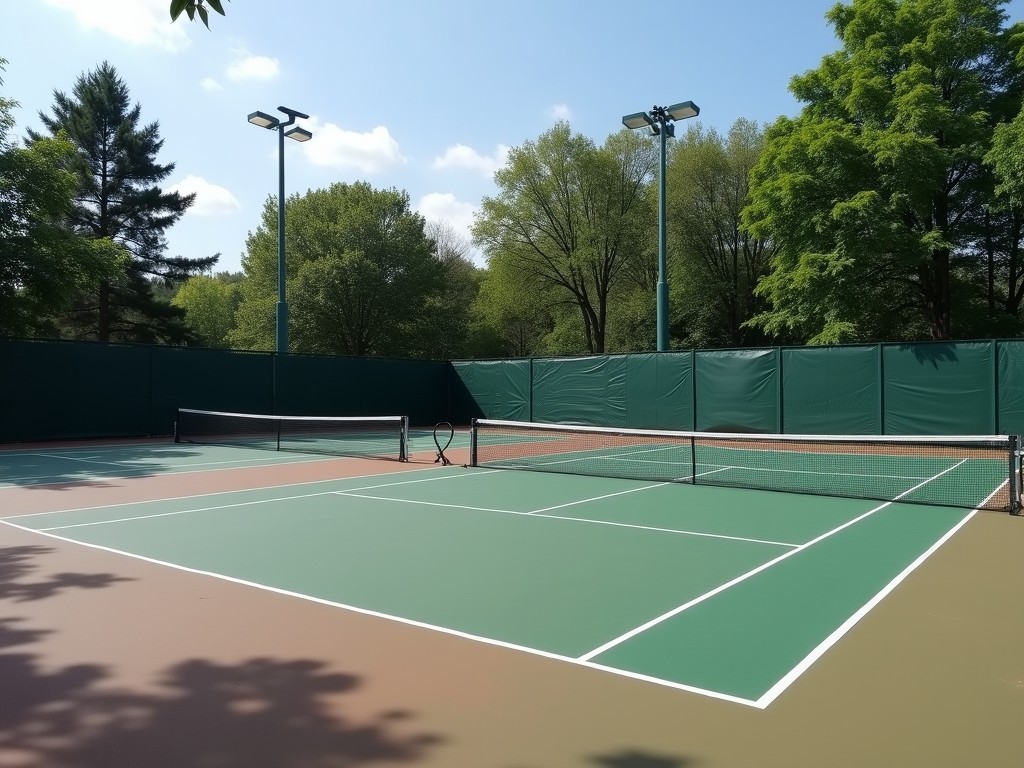
Bulk Wind Resistant Padel Court Flooring Manufacturer
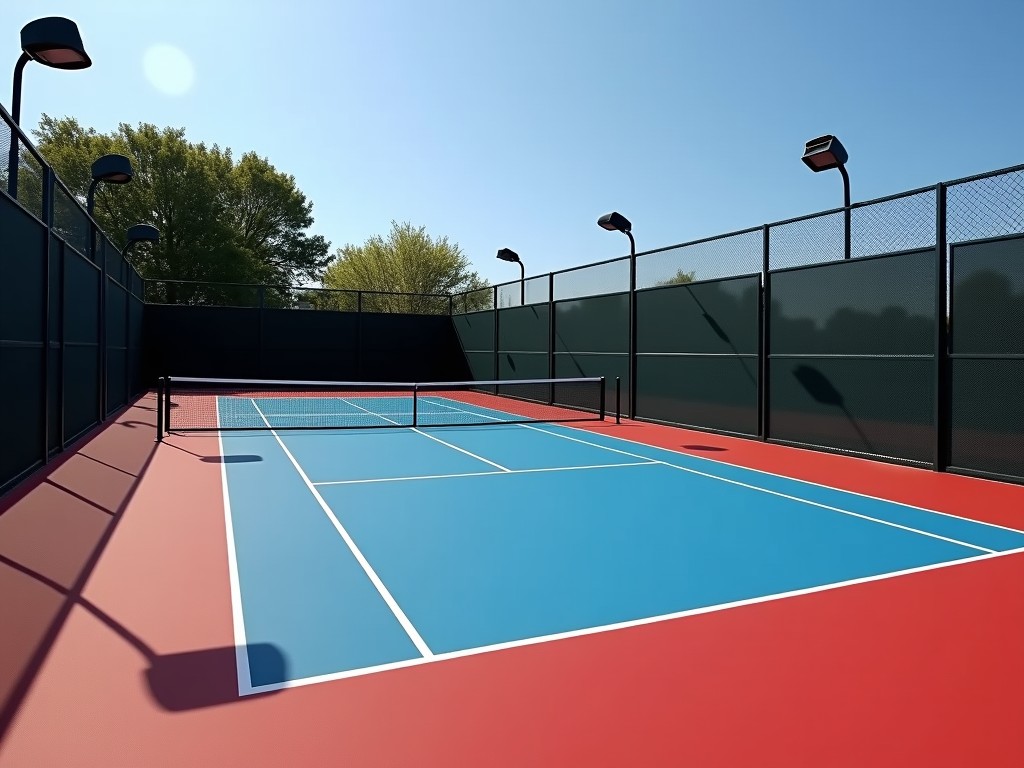
Bulk Wind Resistant Padel Court Flooring Manufacturer
Bulk Wind Resistant Padel Court Flooring
Overview
Padel courts exposed to open environments experience significant wind uplift forces that can displace standard surfacing. Our bulk‑produced flooring system is engineered to resist those forces while providing the consistent ball‑response required for competitive play.
The product is supplied in large‑format rolls or interlocking panels, allowing rapid coverage of multiple courts with minimal seams.
Technical Specifications
| Parameter | Typical Value | Test Standard |
|---|---|---|
| Total Thickness | 12 mm | ISO 9001 |
| Density | 1.15 g/cm³ | ASTM D792 |
| Wind Uplift Resistance | ≥ 2.5 kPa (≈ 250 kg/m²) | EN 12229 |
| Shock Absorption | 30 % (force reduction) | ASTM F2772 |
| Slip Resistance (wet) | SRV ≥ 55 | EN 13036‑4 |
Values represent typical production lots; exact figures can be adjusted to meet project‑specific wind load calculations.
Material Composition
The flooring consists of a polyurethane‑bound rubber granulate core topped with a textured wear layer. The granulate blend incorporates recycled SBR and EPDM particles, providing elasticity and UV stability.
A proprietary cross‑linking agent increases the matrix’s tensile strength, enabling the material to sustain repeated wind‑induced cyclic loads without permanent deformation.
Wind Load Performance
Wind uplift is calculated using the formula F = 0.5 · ρ · C · A · V², where ρ is air density, C is the drag coefficient of the surface, A the exposed area, and V wind speed. Our surface texture yields a drag coefficient of approximately 0.9, lower than smooth concrete (≈1.2), reducing the uplift force.
Laboratory tests simulate gusts up to 25 m/s (≈90 km/h) while measuring vertical displacement. The system shows less than 2 mm deflection under these conditions, well within the tolerance required for consistent ball bounce.
- Low‑profile interlocking edges prevent air infiltration beneath panels.
- Weighted ballast channels (optional) add 5 kg/m² to improve resistance in exposed coastal sites.
- Edge sealing strips eliminate uplift at perimeter joints.
Installation Considerations
The product is delivered in 2 m × 20 m rolls or 0.5 m × 0.5 m interlocking tiles. Rolls are unrolled over a prepared, compacted base (typically crushed stone 100 mm thick) and adhered with a polyurethane‑based spray adhesive.
Tile systems use a tongue‑and‑groove design that locks adjacent units, providing continuous load distribution. No mechanical fasteners are required, reducing puncture risks that could compromise wind resistance.
Typical installation crew of three can cover 500 m² per day, with curing time of 24 hours before foot traffic.
Applications
Padel clubs located in coastal regions, high‑plain plateaus, or open‑field complexes benefit from the wind‑resistant characteristics. The flooring maintains play integrity where conventional acrylic or modular surfaces would suffer from lifting or seam failure.
Beyond padel, the system suits other small‑court sports (e.g., pickleball, platform tennis) where consistent bounce and low maintenance are priorities.
Quality Assurance
Each batch undergoes in‑line density monitoring and post‑cure hardness testing (Shore A). Samples are cut for wind uplift simulation in a climatic chamber, verifying compliance with the EN 12229 standard before release.
Traceability is maintained via barcode labeling on rolls, linking raw material lot numbers to final test reports accessible through our client portal.
Customization Options
Thickness can be adjusted from 10 mm to 18 mm to match specific load requirements. Color pigments are integrated into the wear layer, allowing club branding or court‑zone differentiation.
Optional surface treatments include antimicrobial additives for humid climates and enhanced UV stabilizers for desert installations.
Packaging and Shipping
Rolls are wrapped in UV‑stable polyethylene film, placed on wooden pallets, and secured with steel strapping. Tile packs are stacked in corrugated cardboard boxes with corner protectors.
For export, pallets are fumigated and fitted with moisture‑barrier liners to prevent degradation during transit. Standard lead time is 4‑6 weeks after receipt of approved technical drawings.
Frequently Asked Questions
Can dimensions be customized? Yes. Roll width, length, and tile size are adjusted per project layout; consult our engineering team for CAD‑ready specifications.
What information is required before quotation? Provide court dimensions, expected wind speed (based on local codes), base condition, and any color or branding preferences.
How is quality inspected? Every lot receives density, hardness, and wind uplift tests; results are supplied with the shipment documentation.
What packaging methods are available? Standard roll wrapping on pallets or boxed tiles; custom crating is available for high‑value projects.
What is the typical production lead time? 4‑6 weeks for standard specifications; customized colors or thicknesses may add 1‑2 weeks.
Get a Technical Quote
Share your site‑specific wind load calculations and court layout, and our engineers will return a detailed bill of materials, installation guide, and cost estimate.
Request Quote