Wholesale Hardwood Sports Flooring Systems Supplier
Wholesale Hardwood Sports Flooring Systems Supplier
Wholesale Hardwood Sports Flooring Systems Supplier
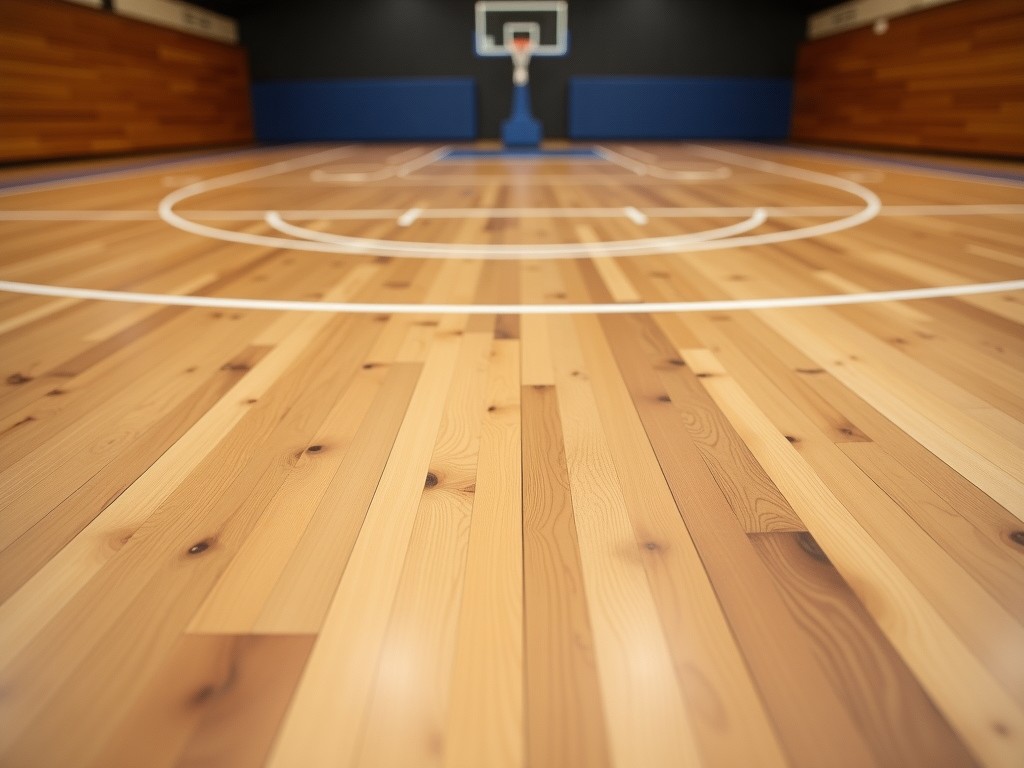
Hardwood sports flooring systems combine a solid wood wear layer with engineered sub‑structures to deliver consistent ball response, athlete safety, and long service life in indoor venues. The following sections detail the technical aspects that influence selection, installation, and performance.
Construction and Material Options
Typical systems consist of three layers: a surface wear layer of selected hardwood, a load‑distributing core, and a moisture‑resistant backing. The wear layer is usually milled from maple, beech, or ash, each offering distinct hardness and grain characteristics. Core materials range from high‑density plywood to laminated veneer lumber (LVL), chosen for stiffness and dimensional stability.
Backing layers often incorporate a polymer‑modified bitumen or rubberized membrane to prevent moisture migration from the sub‑floor. Adhesive systems are selected based on curing time, VOC content, and compatibility with the chosen hardwood species.
Performance Characteristics
Key performance indicators include shock absorption, vertical deformation, ball bounce, and slip resistance. These values are measured according to EN 14904 or ASTM F2772 standards and are expressed as ranges rather than fixed numbers because they depend on thickness, core composition, and surface finish.
| Property | Typical Range | Test Standard |
|---|---|---|
| Shock Absorption (%) | 55 – 75 | EN 14904 |
| Vertical Deformation (mm) | 0.5 – 1.0 | EN 14904 |
| Ball Bounce (%) | 90 – 110 | ASTM F2772 |
| Slip Resistance (µ) | 0.5 – 0.7 | EN 13036‑4 |
When specifying a floor, designers match the required shock absorption range to the sport’s impact profile—basketball and volleyball typically demand higher absorption, while badminton prioritizes lower vertical deformation for quick footwork.
Installation Considerations
Proper acclimatization of the hardwood wear layer to ambient temperature and relative humidity (usually 45‑55 % RH, 18‑22 °C) minimizes post‑installation movement. Sub‑floor flatness must meet ≤3 mm deviation over a 2 m straightedge to avoid localized stress concentrations.
Expansion gaps of 10‑15 mm around the perimeter are incorporated and concealed with base profiles. Mechanical fastening methods (cleat or staple) are selected based on core thickness; thinner cores often require adhesive‑only systems to prevent telegraphing of fasteners through the wear layer.
Typical Applications
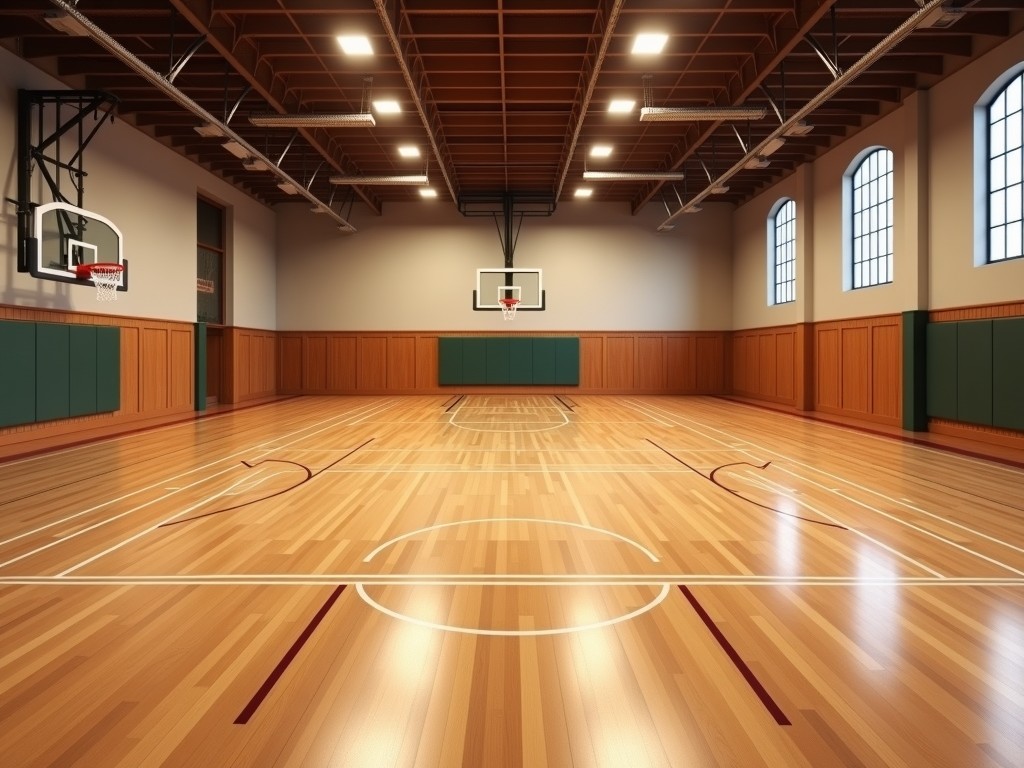
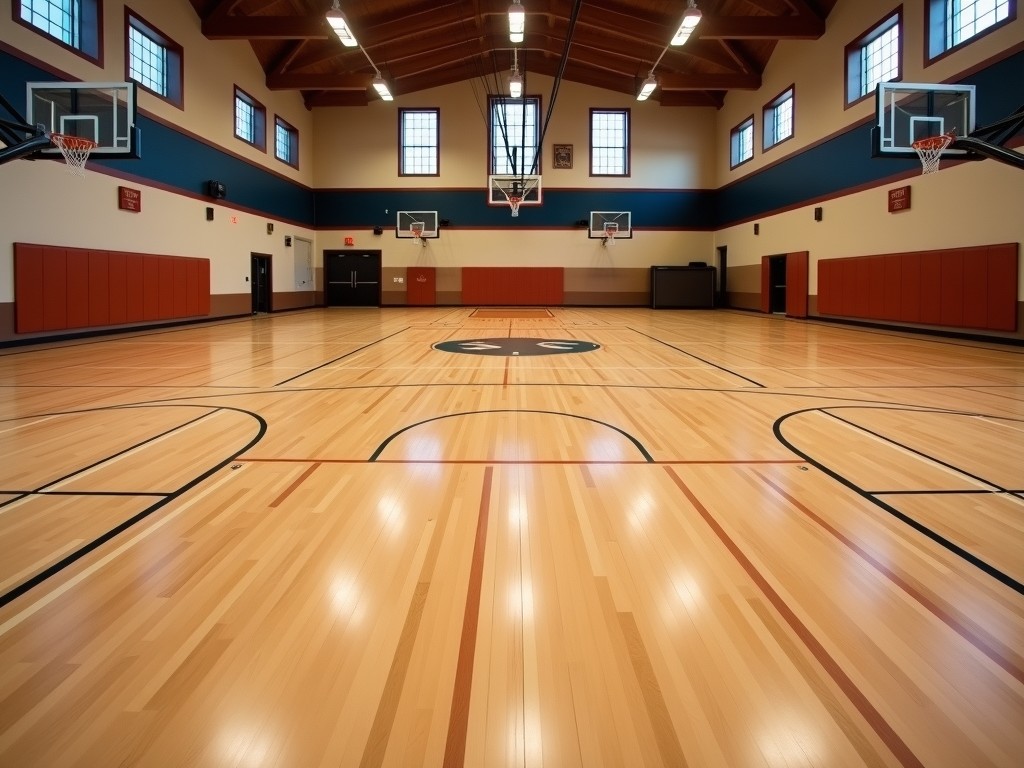
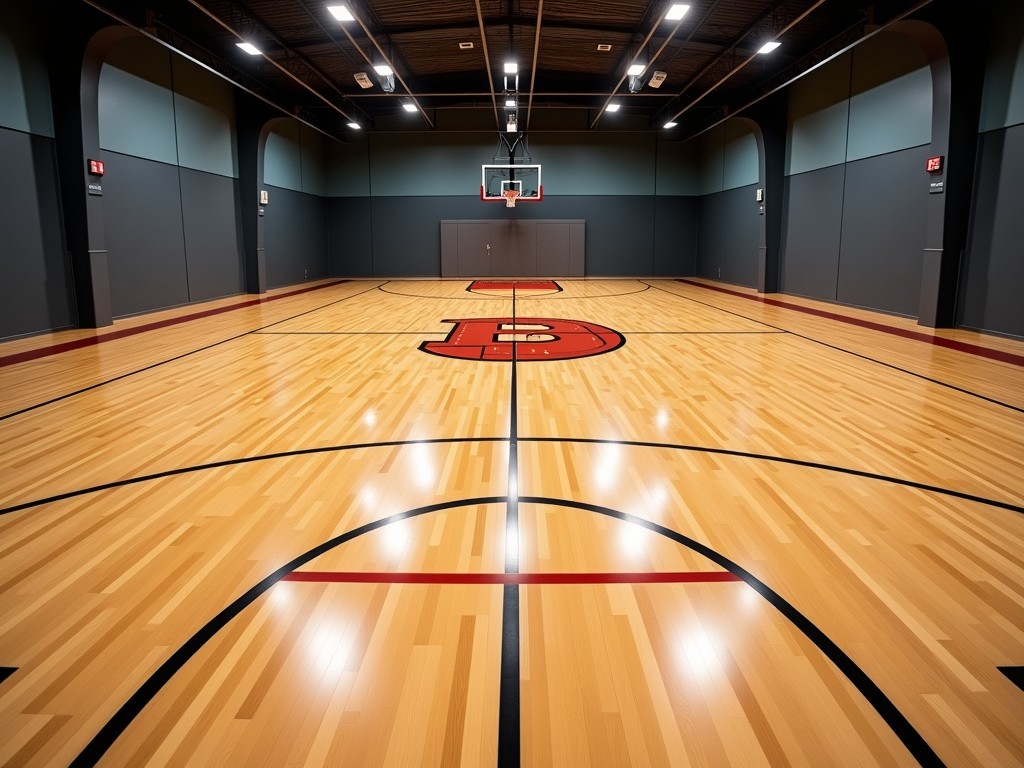
These floors are installed in multi‑purpose sports halls, school gymnasiums, and private training facilities where a natural wood feel and moderate shock absorption are desired. The hardwood surface provides a consistent coefficient of friction suitable for court sports, while the underlying system delivers the energy return needed for jump‑intensive activities.
In addition, the aesthetic appeal of natural grain supports venues that host events requiring a premium appearance, such as award ceremonies or exhibitions, without compromising performance standards.
Quality Assurance Philosophy
Each batch undergoes moisture content testing (target 8‑10 %) before machining, followed by dimensional checks on thickness, width, and length tolerances (±0.2 mm). Surface finish is evaluated for gloss uniformity and coating adhesion using cross‑hatch and pull‑off tests per ISO 2409.
Finished panels are subjected to cyclic load simulations that replicate 5 years of sports activity, monitoring for delamination or excessive creep. Only panels meeting the predefined performance thresholds are released for shipment.
Customization Options
- Wear layer species: maple, beech, ash, or custom hardwood blends.
- Thickness range: 14 mm to 22 mm total system thickness.
- Surface finishes: matte, semi‑gloss, or UV‑cured polyurethane with adjustable slip‑resistance additives.
- Core configurations: 3‑ply plywood, 5‑ply LVL, or hybrid combinations.
- Edge profiles: square, beveled, or tongue‑and‑groove for seamless installation.
Frequently Asked Questions
Can dimensions be customized? Yes, panel length and width can be cut to project‑specific modules, subject to minimum batch sizes.
What information is required before quotation? Required data include intended sport, area dimensions, sub‑floor condition, desired performance levels, and finish preferences.
Which hardwood species are available? Maple, beech, and ash are standard; other species are available upon request and subject to availability.
How is quality inspected? Each lot undergoes moisture content, dimensional, surface adhesion, and cyclic load testing as described in the quality assurance section.
What packaging methods protect the product during export? Panels are stacked on pallets, separated by corrugated sheets, and wrapped in stretch film with corner protectors; optional wooden crating is offered for high‑value shipments.
What is the typical production lead time? Lead time ranges from 4 to 6 weeks after receipt of technical specifications and deposit, depending on order size and customization complexity.
Next Steps
For a detailed technical datasheet or to discuss project‑specific requirements, please use the contact form below.
Request Technical Consultation