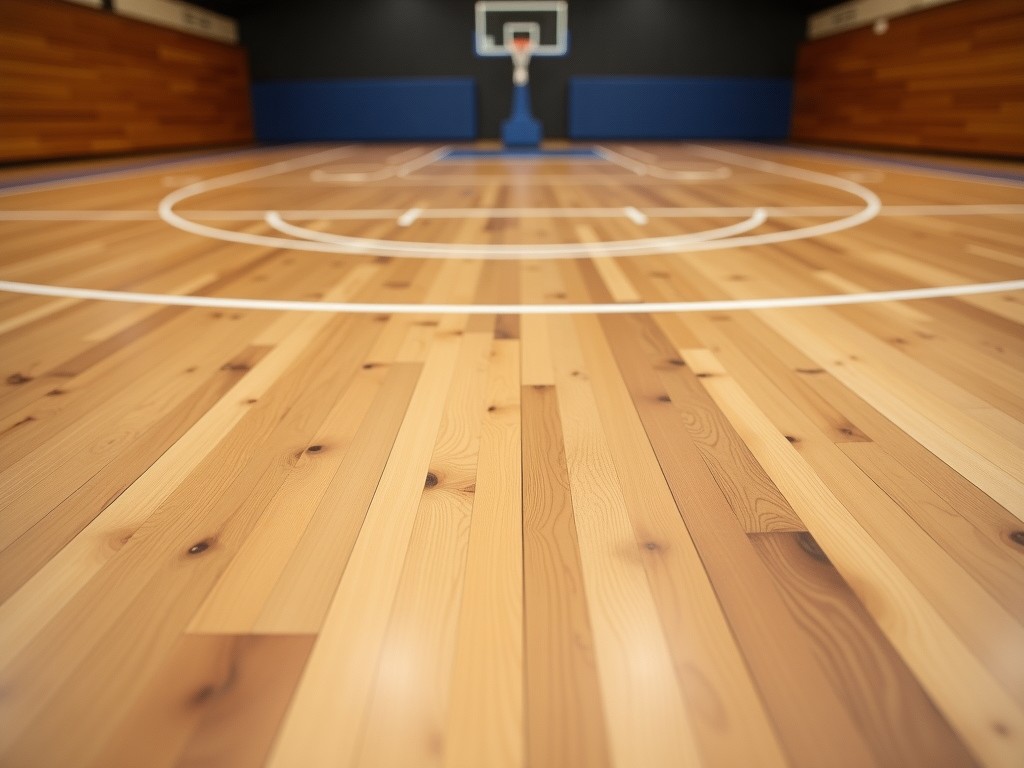
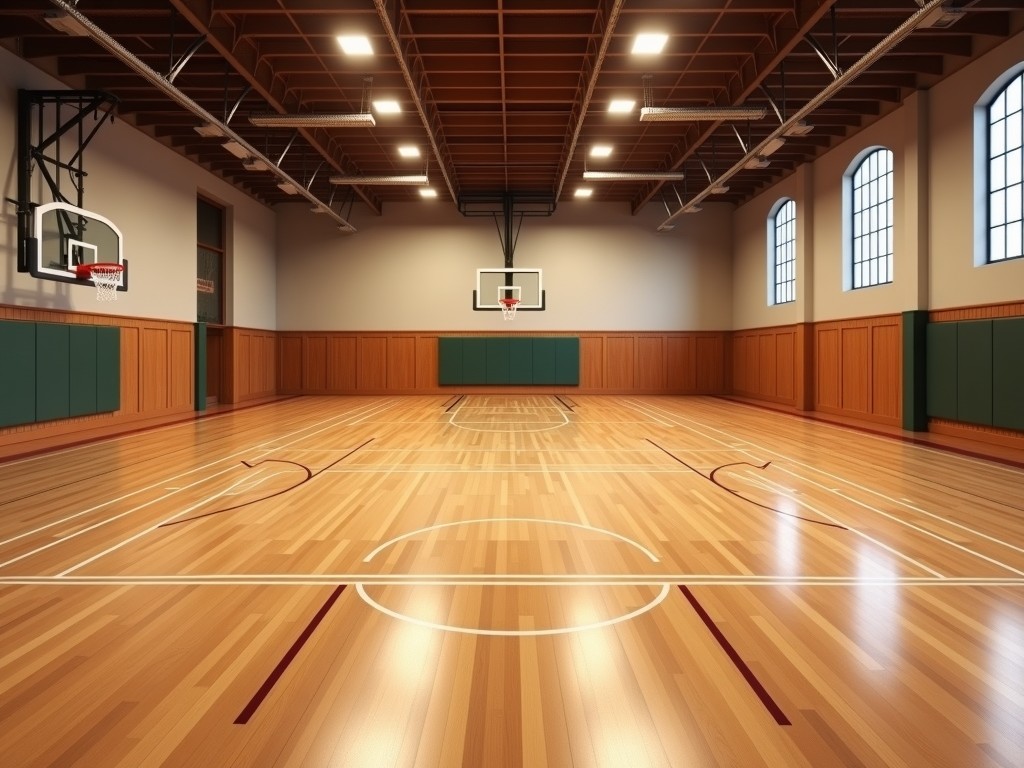
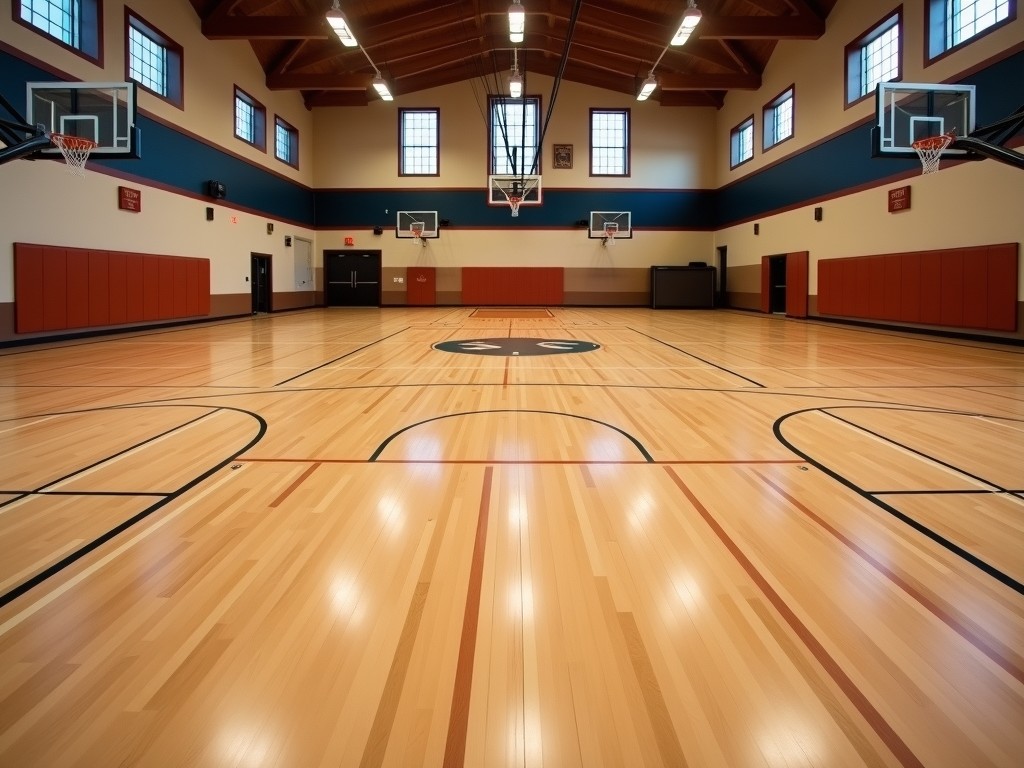
Wholesale Curly Maple Hardwood Sports Flooring Manufacturer
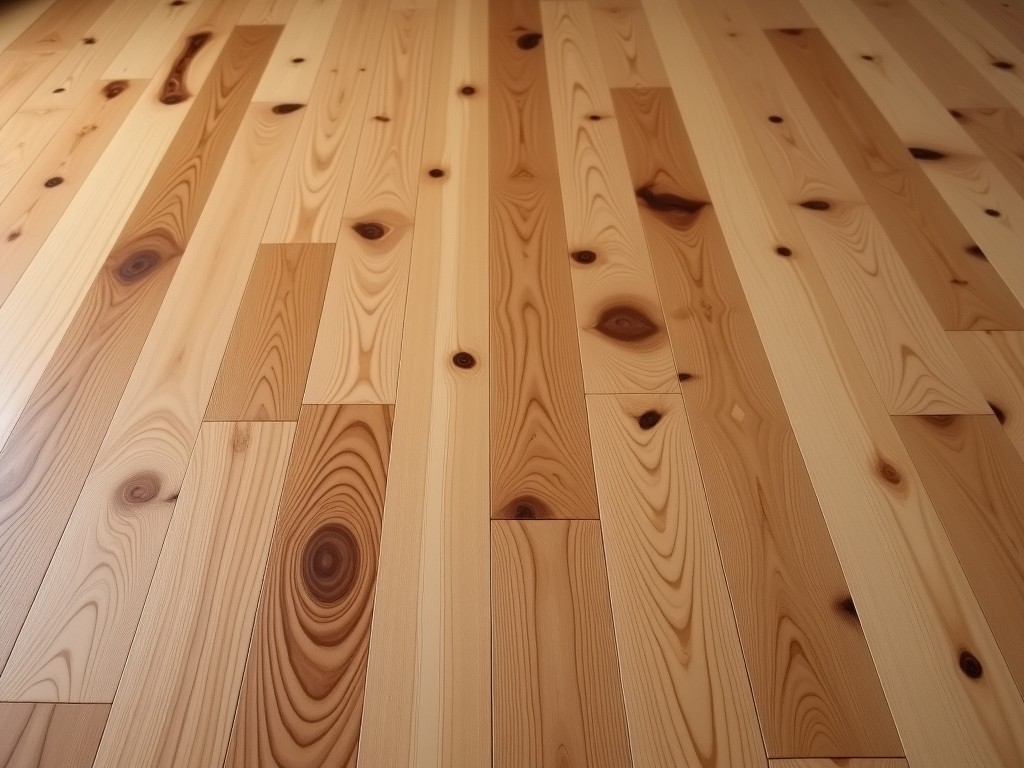
Wholesale Curly Maple Hardwood Sports Flooring Manufacturer
Wholesale Curly Maple Hardwood Sports Flooring Manufacturer
Curly maple, a figure variant of Acer saccharum, exhibits a distinctive wavy grain pattern that enhances surface aesthetics while maintaining the mechanical properties of hard maple. Its cellular structure provides a high modulus of elasticity and resistance to indentation, making it suitable for athletic surfaces that require consistent ball rebound and player traction.
Material Characteristics
The wood is typically quarter‑sawn to minimize seasonal movement and to expose the curly figure uniformly across the board. Average density ranges from 0.62 to 0.68 g/cm³, contributing to a stable dimensional response under varying humidity conditions. Janka hardness values fall between 1300 and 1500 lbf, indicating strong resistance to surface wear from foot traffic and equipment.
Technical Specifications
| Parameter | Typical Value | Unit |
|---|---|---|
| Thickness | 20 (customizable 15‑30) | mm |
| Width | 122 (optional 100‑150) | mm |
| Length | Up to 2400 (custom lengths available) | mm |
| Density | 0.65 ±0.03 | g/cm³ |
| Janka Hardness | 1450 ±100 | lbf |
| Modulus of Elasticity | 11‑13 | GPa |
| Coefficient of Friction (static) | 0.62‑0.78 | – |
| Shock Absorption | 28‑34 | % |
| Wear Layer Thickness | 3 (optional 2‑5) | mm |
Performance Implications
The combination of high modulus of elasticity and moderate shock absorption yields a surface that returns energy efficiently to the ball while reducing impact forces on athletes’ joints. A coefficient of friction within the 0.6‑0.8 range provides sufficient grip for lateral movements without causing excessive shoe wear. These properties are measurable indicators of suitability for court sports where consistent bounce and player safety are paramount.
Typical Applications
- Basketball courts – the surface’s uniform hardness ensures predictable ball rebound across the entire playing area.
- Volleyball courts – adequate shock absorption lowers landing impact, helping to prevent joint stress during frequent jumps.
- Badminton and squash courts – the high wear resistance maintains surface integrity despite rapid directional changes and racket scrapes.
- Multi‑use recreational facilities – the flooring can be refinished multiple times, extending service life in venues hosting varied activities.
Manufacturing Process
Logs are selected for straight grain and minimal defects, then quarter‑sawn to maximize stability and highlight the curly figure. After sawn to rough dimensions, the lumber undergoes kiln drying to a target moisture content of 6‑8 % to prevent post‑installation movement. Subsequent steps include precision planing, profiling to the specified thickness and width, and sanding to a surface roughness Ra ≤ 0.8 µm before application of a UV‑cured polyurethane finish.
Quality Control
- Moisture content verification using capacitance meters on each board batch.
- Dimensional tolerance checks (±0.2 mm thickness, ±0.1 mm width) via laser gauging.
- Surface hardness assessment with a Shore D durometer to confirm finish cure.
- Visual inspection for figure consistency, ensuring the curly pattern meets aesthetic grade standards.
- Final wear‑layer thickness measurement using ultrasonic gauging to validate coating uniformity.
Customization Options
- Thickness: 15 mm to 30 mm in 1 mm increments.
- Width: 100 mm to 150 mm, with optional tongue‑and‑groove or square edge profiles.
- Length: standard 1200‑2400 mm, custom lengths up to 3600 mm available.
- Finish: matte, satin, or gloss polyurethane; optional anti‑microbial additives.
- Stain colors: natural, light walnut, dark cherry, or custom pigment matches.
Packaging and Logistics
Boards are stacked on kiln‑dried pine pallets, separated by corrugated cardboard layers to prevent surface abrasion. Each pallet is secured with stretch film and corner protectors, then loaded into 20‑ft or 40‑ft containers with adequate bracing to minimize shifting during transit. Upon receipt, the flooring should be acclimated to the installation environment for at least 72 hours at 50‑60 % relative humidity.
Frequently Asked Questions
- Can dimensions be customized? Yes, thickness, width, and length can be tailored to project specifications; please provide exact requirements for a quotation.
- What information is needed before a quote? Required details include total area, desired thickness, finish type, edge profile, and any special treatments such as staining or anti‑microbial coating.
- How is quality inspected? Each production lot undergoes moisture content, dimensional, hardness, and visual inspections as outlined in our quality control protocol.
- What is the typical lead time? Standard lead time ranges from 3‑4 weeks after receipt of approved shop drawings, depending on order size and current schedule.
Contact our technical team for a detailed quotation and lead‑time confirmation.