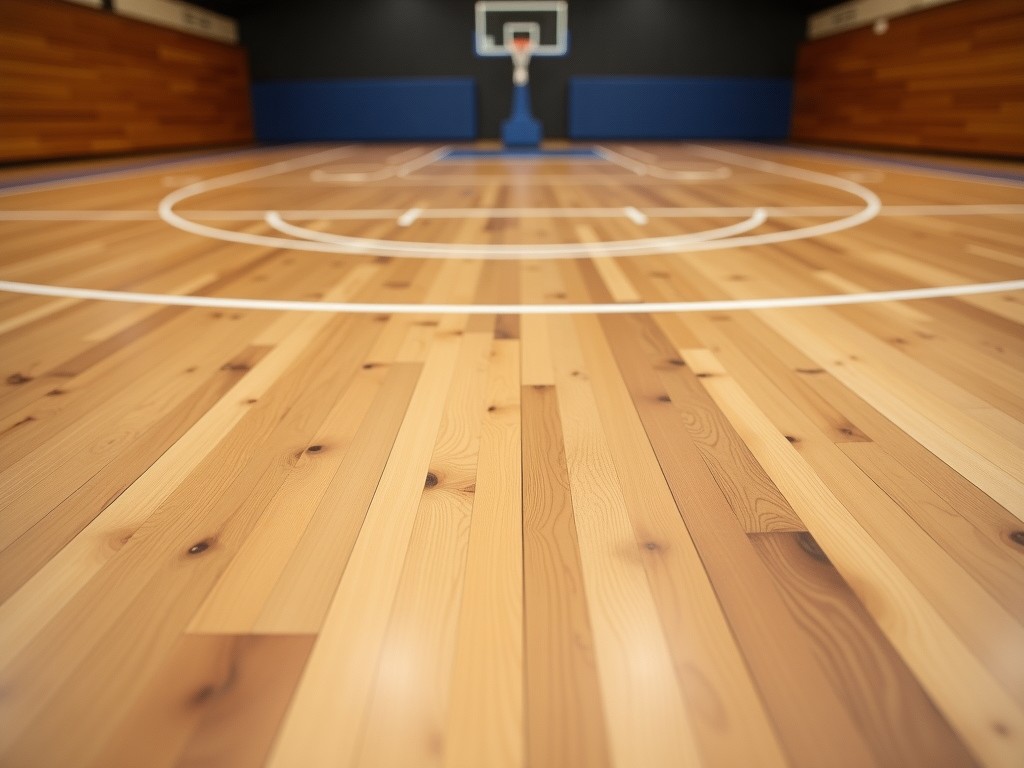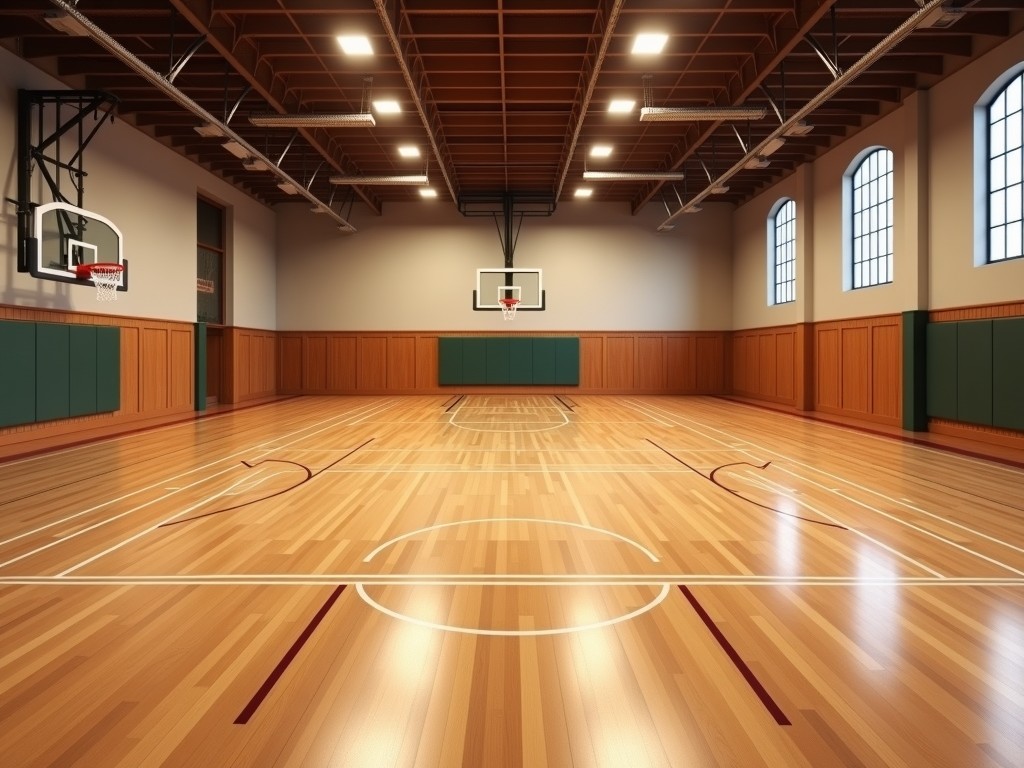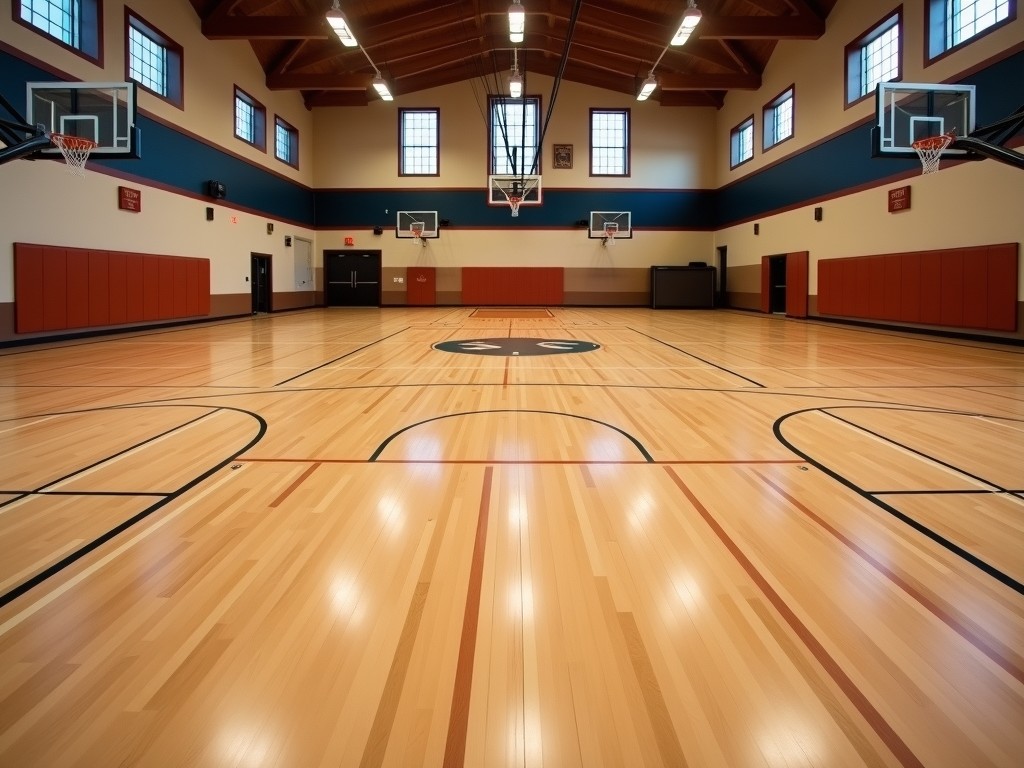
Wholesale Basketball Court Wood Floor For Sale Supplier
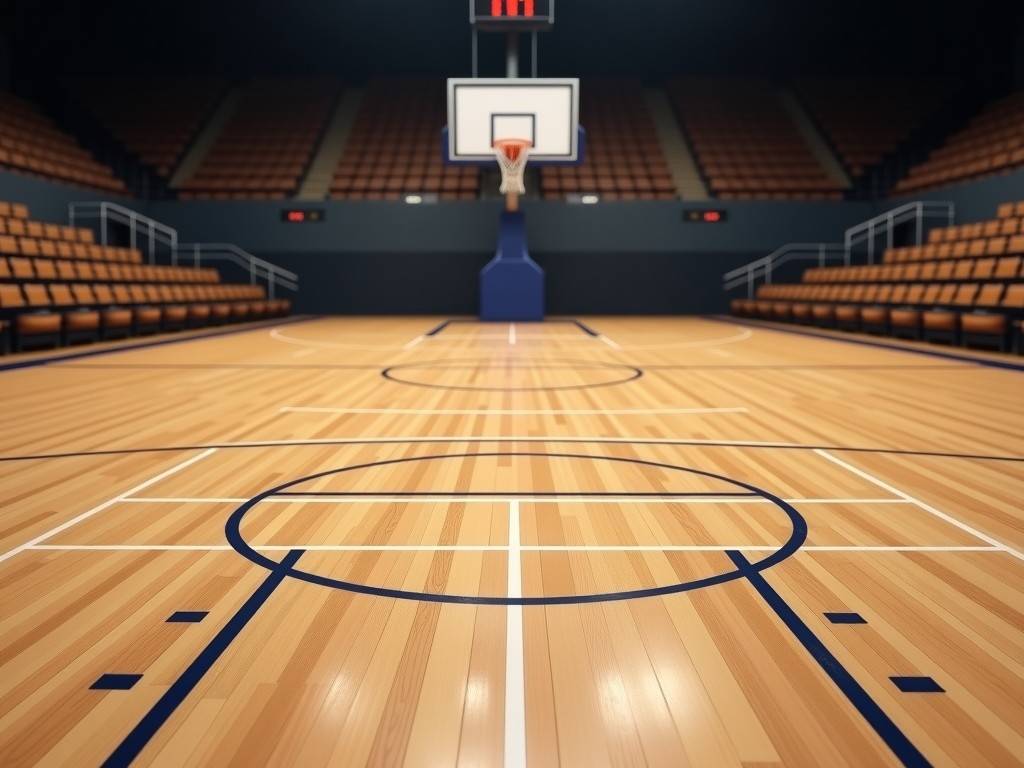
Wholesale Basketball Court Wood Floor For Sale Supplier
Wholesale Basketball Court Wood Flooring
This product page explains the technical attributes of maple‑based sports flooring systems sold in bulk to contractors, school districts, and recreation‑center developers. Understanding material behavior, performance metrics, and customization pathways helps procurement teams evaluate long‑term value and installation risk.
Material Composition and Construction
The core wear layer is select‑grade northern hard maple, typically 22 mm thick, milled with a tongue‑and‑groove profile that accommodates a floating sub‑floor system. Beneath the maple, a 12 mm high‑density plywood underlayment provides dimensional stability, while a 6 mm recycled rubber shock pad reduces impact forces transmitted to the concrete slab.
Finish systems consist of a two‑component polyurethane coating applied in factory‑controlled conditions, delivering a nominal dry film thickness of 120 µm. The coating is engineered for a gloss level of 20–30 units at 60°, balancing slip resistance with ball‑roll consistency.
Performance Characteristics
Ball rebound is measured per ASTM F2117, with typical values ranging from 90 % to 94 % of the dropped height when tested at 20 °C and 50 % RH. Surface friction, evaluated via the pendulum test, targets a coefficient of 0.55–0.65, providing adequate grip for lateral movements without excessive shoe wear.
Wear resistance is quantified using the Taber abrasion test (CS‑10 wheels, 1000 g load), yielding a weight loss of less than 8 mg after 1000 cycles. Moisture content of the maple is controlled to 6 %–8 % at shipment, minimizing seasonal expansion/contraction stresses in the installed assembly.
Customization Options
- Wood species: maple (standard), beech, or birch upon request
- Finish: matte, semi‑gloss, or high‑gloss polyurethane; optional UV‑cured topcoat
- Thickness: 18 mm, 22 mm, or 28 mm wear layer
- Panel size: 2 ft × 8 ft standard; custom lengths available
- Interlocking system: traditional tongue‑and‑groove or mechanical click‑lock
Typical Applications
Basketball courts require a surface that delivers consistent ball bounce, adequate traction for quick direction changes, and sufficient shock absorption to reduce joint fatigue. The maple‑rubber‑plywood assembly meets these criteria while providing a durable wearing surface that withstands frequent equipment movement and periodic refinishing cycles.
Beyond competitive play, the flooring serves multi‑purpose gyms, community recreation centers, and school physical‑education spaces where the same performance attributes support volleyball, badminton, and general fitness activities. The modular panel design facilitates rapid installation over existing concrete slabs, minimizing downtime for facility upgrades.
Quality Assurance and Testing
Each production lot undergoes moisture‑content verification using a pin‑type meter, with acceptance limits of 6 %–8 %. Hardness is checked via Janka testing, targeting a minimum of 1450 lbf for maple wear layers. Finish adhesion is measured by cross‑hatch tape testing per ASTM D3359, requiring a rating of 5B (no removal) before shipment.
Dimensional stability is assessed by conditioning panels at 20 °C/65 % RH for 48 hours, then measuring width change; permissible deviation is ±0.2 mm. Final visual inspection checks for surface defects, coating uniformity, and joint tightness, ensuring that only panels meeting the defined A‑grade criteria are released for wholesale distribution.
Typical Specifications
| Parameter | Typical Value | Notes |
|---|---|---|
| Wear layer thickness | 22 mm (standard) | Available 18–28 mm |
| Density (maple) | 0.70 g/cm³ | Air‑dry condition |
| Finish thickness | 120 µm dry film | Two‑component polyurethane |
| Ball rebound (ASTM F2117) | 90 %–94 % | Measured at 20 °C, 50 % RH |
| Surface friction (pendulum) | 0.55–0.65 | Target range for court sports |
| Moisture content | 6 %–8 % | At time of shipment |
| Taber abrasion loss | <8 mg/1000 cycles | CS‑10 wheels, 1000 g load |
Frequently Asked Questions
Can the wood species or finish be customized?
Yes. While northern hard maple is the standard, beech or birch can be supplied upon request. Finish options include matte, semi‑gloss, high‑gloss polyurethane, or a UV‑cured topcoat for increased chemical resistance.
What information is required for a quotation?
Project dimensions (court size and any surrounding buffer zones), desired wear‑layer thickness, finish type, panel interlock preference, and delivery location. Providing a site plan or DXF file helps optimize panel layout and minimize waste.
How is quality inspected before shipment?
Each lot undergoes moisture‑content, Janka hardness, finish adhesion, and dimensional stability tests. Visual inspection verifies coating uniformity and joint integrity. Only panels meeting A‑grade criteria are released.