Bulk Natural Maple Oak Hardwood Sports Flooring Company
Bulk Natural Maple Oak Hardwood Sports Flooring Company
Bulk Natural Maple Oak Hardwood Sports Flooring
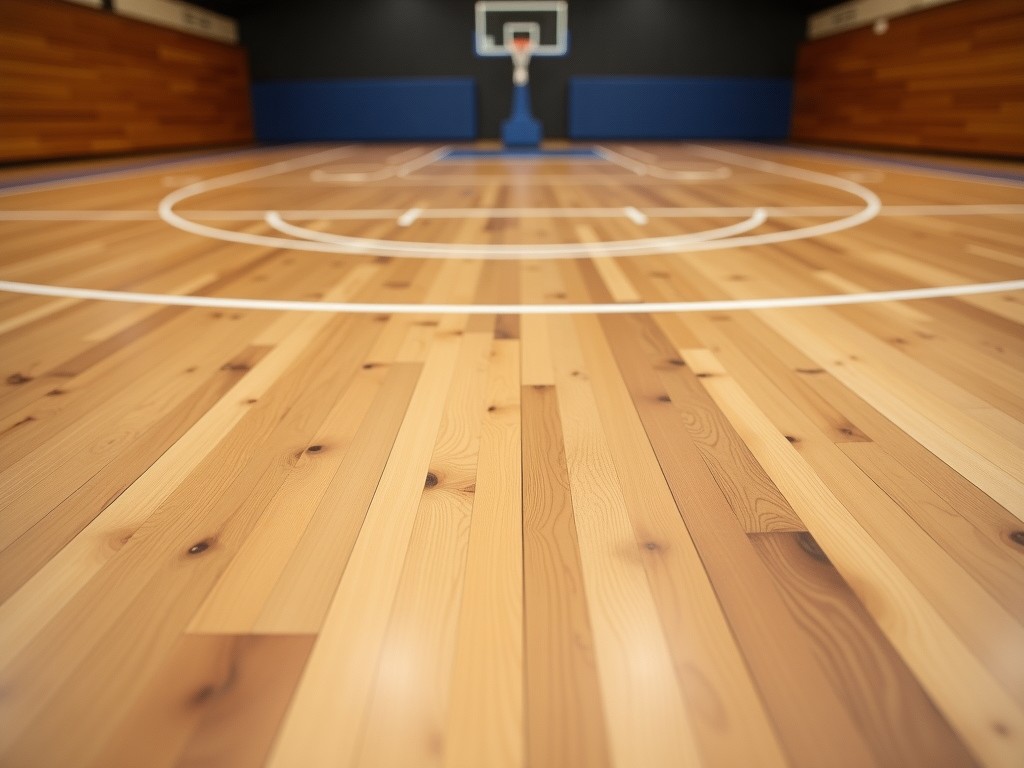
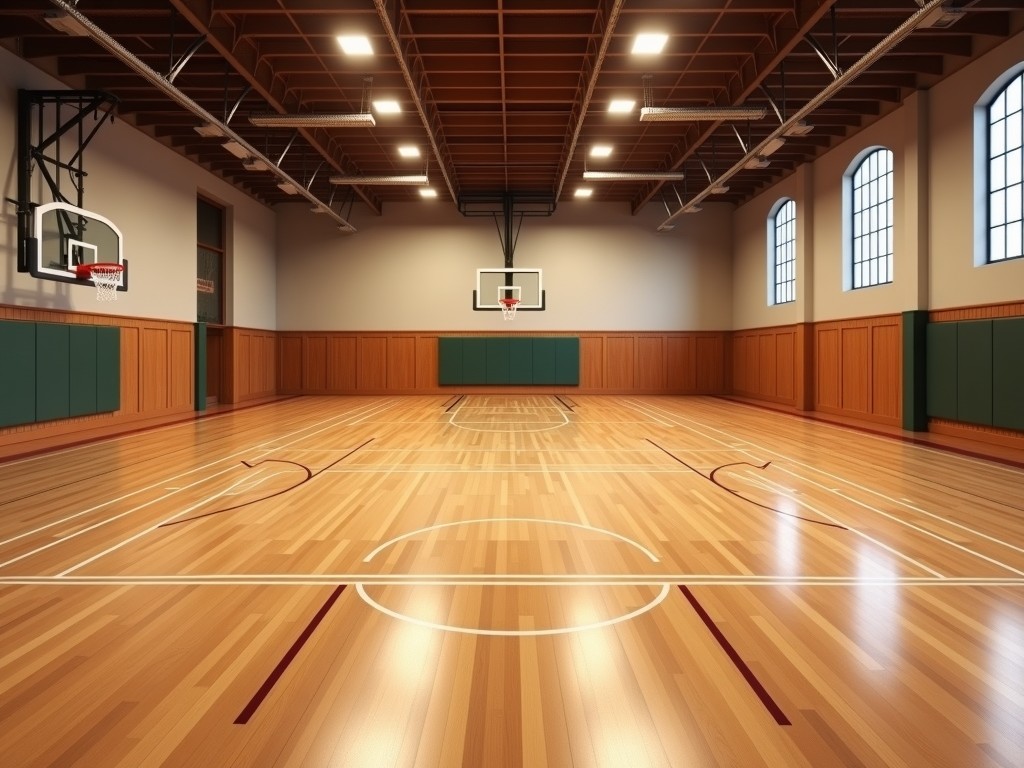
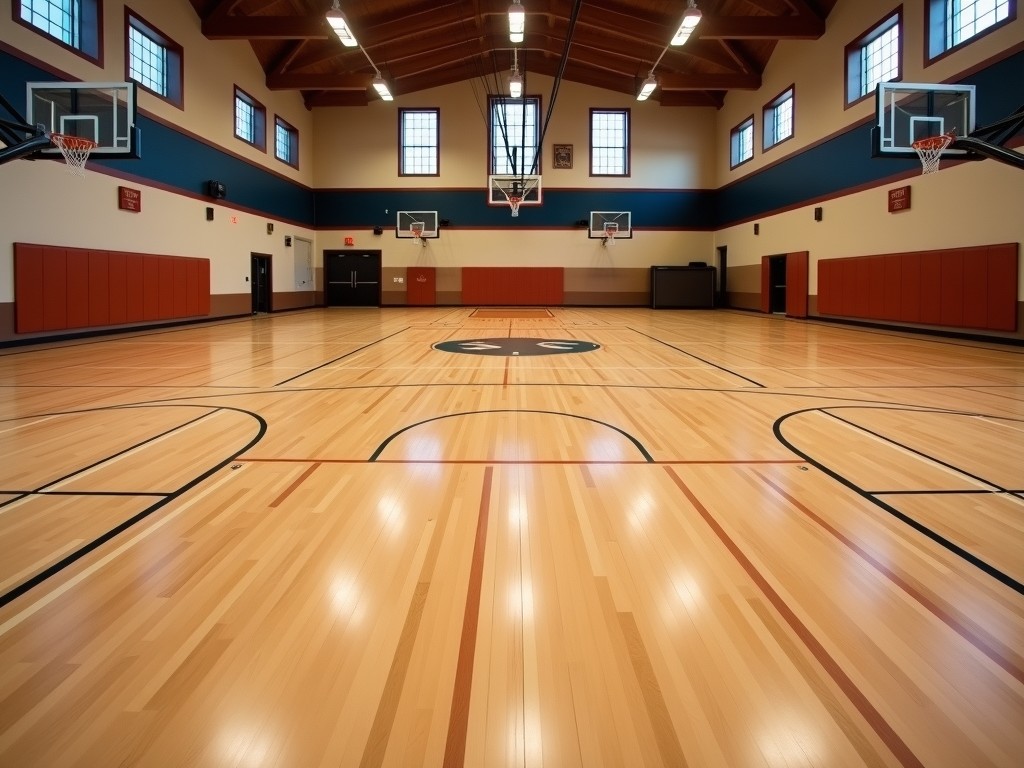
This product combines select maple and oak species to create a dense, uniform hardwood surface designed for high‑impact sports environments. The blend is chosen to balance hardness, dimensional stability, and shock‑absorption characteristics required for courts, gymnasiums, and multi‑purpose facilities.
Material Composition and Structure
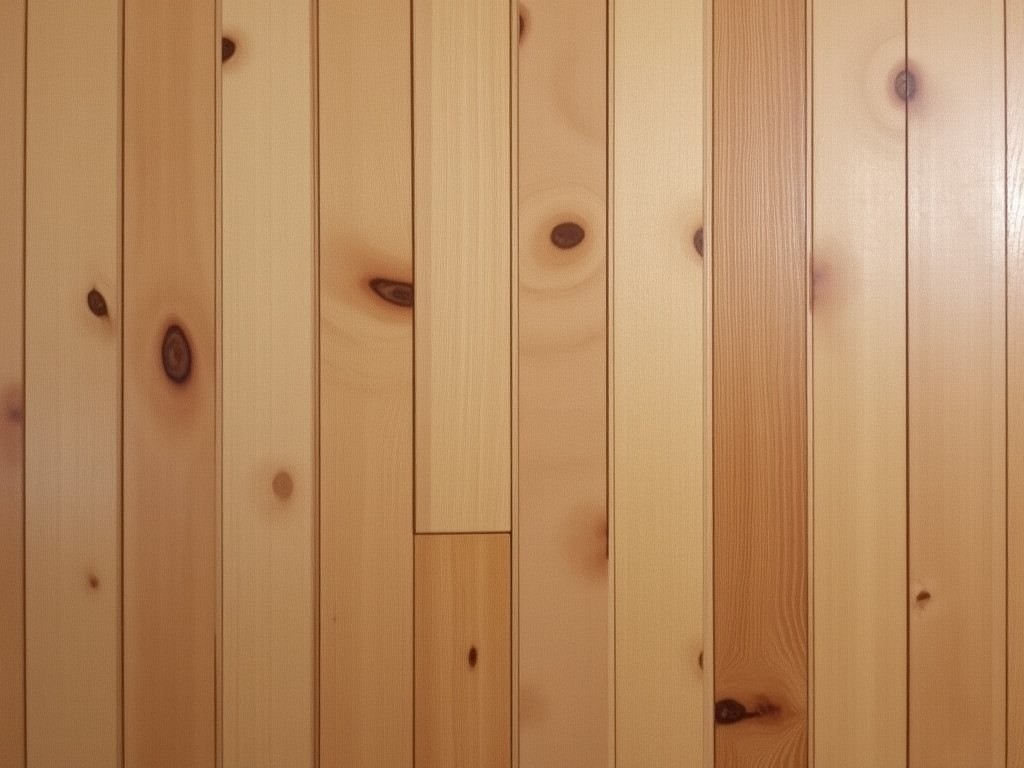
The flooring consists of solid hardwood planks milled from sustainably harvested maple (Acer saccharum) and oak (Quercus spp.) logs. Typical board thickness ranges from 20 mm to 22 mm, with a wear layer of at least 6 mm to allow multiple sand‑and‑refinish cycles. The grain orientation is primarily vertical to maximize load distribution across the panel.
Moisture content is kiln‑dried to 6 %–8 % before milling, reducing the risk of seasonal expansion or contraction in climate‑controlled indoor spaces. Density of the combined maple‑oak matrix averages 0.72 g/cm³, providing a Janka hardness rating in the range of 1300–1500 lbf, suitable for repeated ball impact and foot traffic.
Key Performance Indicators
| Property | Typical Value | Test Method |
|---|---|---|
| Janka Hardness | 1300–1500 lbf | ASTM D143 |
| Modulus of Elasticity (MOE) | 11–13 GPa | ASTM D143 |
| Dimensional Stability (Tangential) | 0.2 % / % RH change | ASTM D143 |
| Shock Absorption (Force Reduction) | 55 %–60 % | ASTM F2772 |
| Surface Friction Coefficient | 0.6–0.8 (dry) | ASTM E303 |
Applications in Sports Facilities
The uniform hardness and consistent friction maple‑oak surface delivers predictable ball bounce and player traction, which are critical for basketball, volleyball, and indoor soccer. Its shock‑absorption capability reduces impact forces transmitted to athletes’ joints, supporting longer playing sessions with lower fatigue risk.
Because the flooring can be sanded and refinished multiple times, facilities benefit from a long service life—often exceeding 25 years with proper maintenance—making it a cost‑effective solution for multi‑use venues that host varied sporting events and community activities.
Installation and Subfloor Requirements
- A clean, level concrete subfloor with a maximum deviation of 3 mm over a 2 m span is required.
- A moisture barrier (polyethylene sheet, 0.15 mm) must be installed when the slab’s relative humidity exceeds 75 %.
- Planks are typically glued down using a polyurethane‑based adhesive approved for hardwood sports flooring, ensuring a monolithic bond that accommodates minor substrate movement.
- Expansion gaps of 10 mm–12 mm around the perimeter are left and concealed with baseboards to accommodate seasonal dimensional change.
- After installation, the surface is sanded to a uniform finish and sealed with a low‑VOC, abrasion‑resistant urethane coating rated for sports‑floor use.
Quality Control and Testing Philosophy
Each production lot undergoes dimensional checks (width, thickness, length) on a statistical sampling basis, with tolerances held to ±0.2 mm for thickness and ±0.5 mm for width. Moisture content is verified using a pin‑type moisture meter before packaging, ensuring the product stays within the 6 %–8 % range. Surface hardness is spot‑tested with a Janka tester on finished boards to confirm compliance with the specified range.
Finished panels receive a visual inspection for grain consistency, knot size, and finish uniformity. Any board exhibiting defects beyond allowable limits (e.g., knots >10 mm, finish pinholes) is removed from the batch. This approach minimizes the risk of on‑site rework and supports predictable performance across large installations.
Customization Options
- Board width: 75 mm, 100 mm, or 130 mm (custom widths available upon request).
- Length: random lengths 300 mm–2400 mm or fixed lengths per project spec.
- Finish: matte, semi‑gloss, or high‑gloss urethane; optional line‑game markings pre‑applied.
- Edge profile: square, eased, or micro‑bevel for specific installation methods.
- Color tint: natural, light amber, or medium brown via UV‑stable stains.
Packaging and Logistics
Boards are stacked in bundles of uniform length, wrapped in breathable polyethylene film, and placed on sturdy pallets rated for a minimum static load of 1 t. Each bundle includes a moisture‑absorbing desiccant pack to maintain equilibrium during transit. Pallets are secured with stretch wrap and corner boards to prevent shifting.
Standard truckload capacity accommodates approximately 22 m³ of flooring, which equates to roughly 900 m² of installed area depending on board dimensions. Lead times are typically 4–6 weeks after receipt of final approved shop drawings, subject to material availability and production scheduling.
Frequently Asked Questions
- Can dimensions be customized? Yes, width, length, and thickness can be adjusted to meet specific project requirements; custom sizes are quoted after reviewing the layout plan.
- What information is required before quotation? Detailed area measurements, subfloor condition report, desired finish, and any line‑marking specifications.
- How is quality inspected? Through dimensional sampling, moisture content verification, Janka hardness spot checks, and visual finish audits as described in the quality control section.
- What packaging methods are available? Standard palletized bundles with breathable wrap; optional crate packaging for overseas shipments.
- How are export shipments protected? Pallets are fitted with corner protectors, stretch‑wrapped, and sealed with moisture‑barrier film; additional fumigation or heat treatment can be arranged per destination regulations.
Contact for Technical Inquiry
For further details on material data, installation guidance, or to request a project‑specific quotation, please reach out to our technical team.