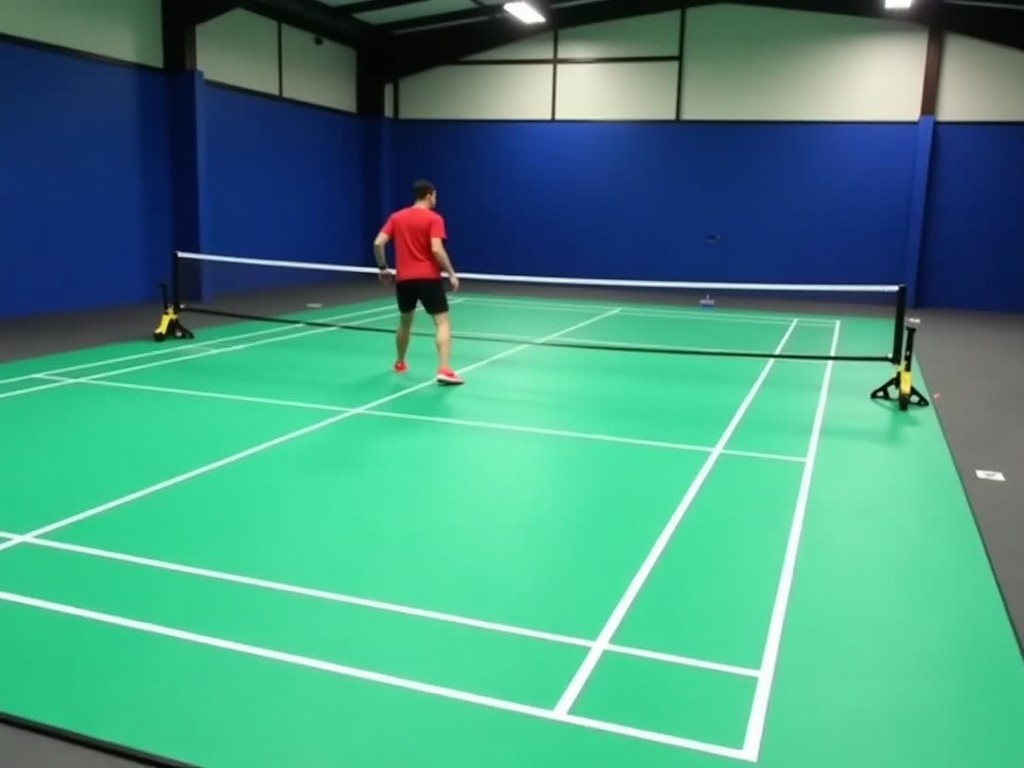
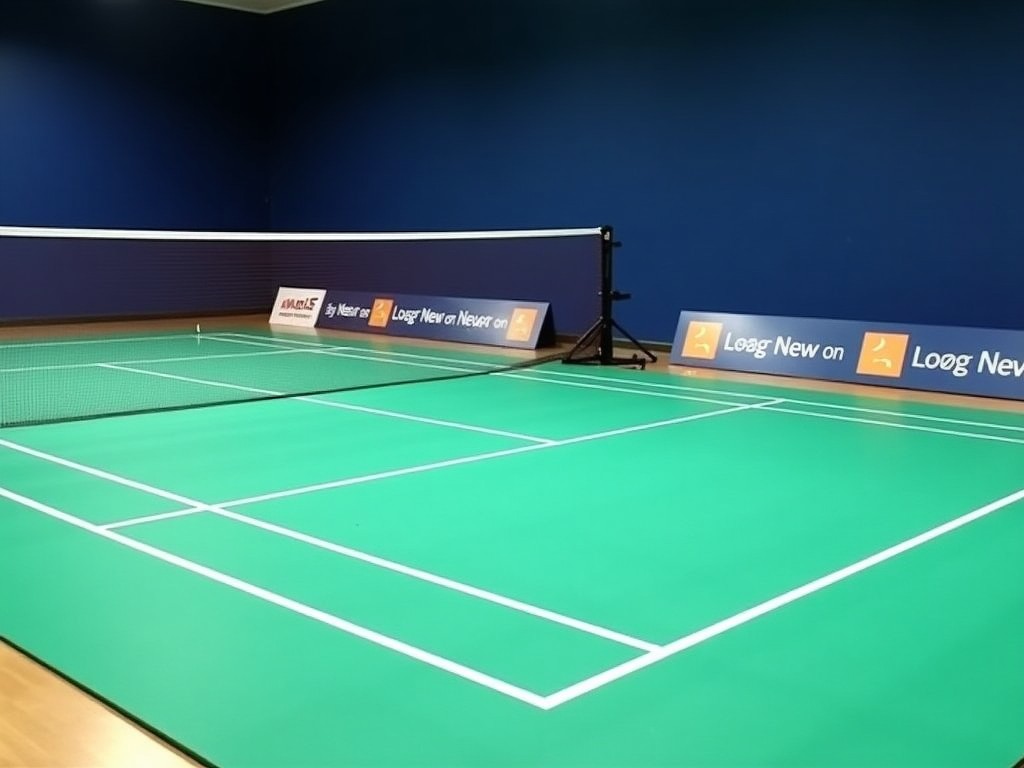
Wholesale Vinyl Flooring For Badminton Court Manufacturer
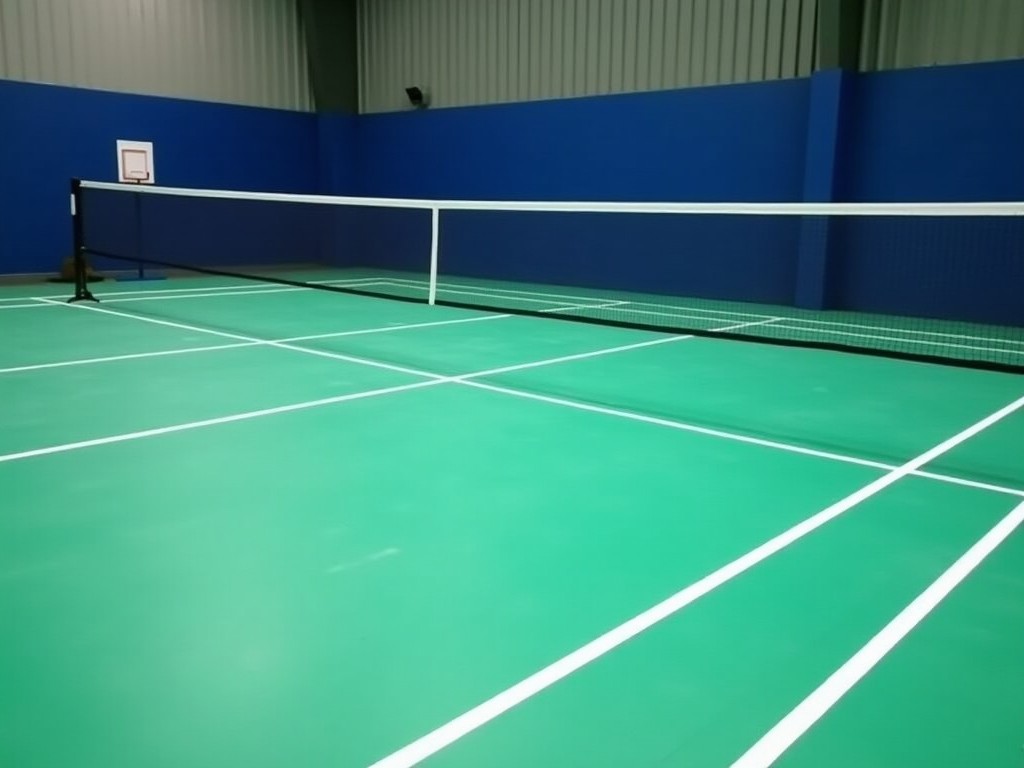
Wholesale Vinyl Flooring For Badminton Court Manufacturer
Wholesale Vinyl Flooring for Badminton Court
Badminton demands a surface that balances traction with enough give to reduce joint stress during rapid lateral movements. Vinyl flooring engineered for sports courts provides a consistent coefficient of friction, controlled shock absorption, and low maintenance requirements, making it suitable for both competitive play and community recreation.
Technical Specifications
| Property | Typical Value | Test Standard |
|---|---|---|
| Overall Thickness | 4.5 mm – 6.0 mm | ASTM F386 |
| Wear Layer Thickness | 0.5 mm – 0.7 mm | ASTM F410 |
| Slip Resistance (CoF) | 0.55 – 0.65 (dry) | ASTM D2047 |
| Dimensional Stability | ≤0.2 % change after 24 h at 70 °C | ASTM F2199 |
| VOC Emission | ≤0.5 mg/m³ | ISO 16000‑9 |
| Fire Rating | Bfl‑s1 (EN 13501‑1) | EN 13501‑1 |
The core consists of a calendered PVC matrix reinforced with a polyester fiber grid, which limits elongation under load and improves tear resistance. A UV‑stabilized top coat protects the printed design from fading under indoor lighting, while a backed foam layer contributes to the desired shock absorption values measured in accordance with ASTM F2772.
Performance Characteristics
Impact resistance is quantified by the Ball Rebound test, where a standard badminton shuttlecock dropped from 1.5 m returns to a height of 0.9 m–1.0 m, indicating adequate energy return without excessive bounce. The flooring’s acoustic performance reduces impact noise to below 55 dB, meeting typical gymnasium acoustic criteria.
Dimensional stability ensures that the tiles or rolls remain flat after prolonged exposure to temperature fluctuations common in multi‑purpose halls, minimizing tripping hazards and maintaining consistent playing characteristics across the entire court area.
Applications
While primarily specified for dedicated badminton courts, the same flooring system accommodates other indoor sports such as table tennis, pickleball, and aerobics due to its uniform surface texture and moderate shock absorption. Facility managers often select it for multi‑use spaces because it can be re‑lined with different sport markings without compromising performance.
Customization Options
- Overall thickness: 4.5 mm, 5.0 mm, 5.5 mm, 6.0 mm
- Wear layer: 0.5 mm or 0.7 mm for high‑traffic zones
- Surface texture: embossed wood grain, smooth matte, or anti‑slip dot pattern
- Color palette: standard court greens, blues, or custom RAL matches
- Optional logo or court line printing via screen‑printed PVC overlay
Quality Control Philosophy
Each production lot undergoes inline thickness gauging, wear layer adhesion testing, and coefficient of friction measurement. Finished rolls are inspected for visual defects, edge straightness, and dimensional deviation before being cleared for shipment. Test reports are available upon request and reference the standards listed in the specification table.
Packaging and Shipping
Rolls are wound on rigid cardboard cores with a protective polyethylene shrink wrap to prevent moisture ingress during transit. Standard roll lengths are 20 m or 25 m, palletized in stacks of four with corner protectors and stretch film. For containerized shipments, each pallet is secured with straps and marked with handling instructions to reduce the risk of edge damage.
Frequently Asked Questions
- Can the thickness be adjusted for specific sub‑floor conditions? Yes, thickness is customizable according to project requirements and can be increased to accommodate uneven substrates.
- What information is needed to prepare a quotation? Required details include court dimensions, desired thickness, wear layer preference, color or texture selection, and delivery destination.
- How is quality inspected before shipment? Every lot undergoes thickness, wear layer adhesion, slip resistance, and visual inspection as per the QC protocol described above.
- What packaging options are available for export? Standard export packaging includes polyethylene‑wrapped rolls on cardboard cores, palletized with corner protection and stretch film; additional crate packaging can be arranged upon request.
For technical data sheets, sample requests, or to discuss a custom specification for your facility, please reach out using the contact form below.
Request a Quote or Sample