Custom Indoor Badminton Court Mats Manufacturer
Custom Indoor Badminton Court Mats Manufacturer
Custom Indoor Badminton Court Mats Manufacturer
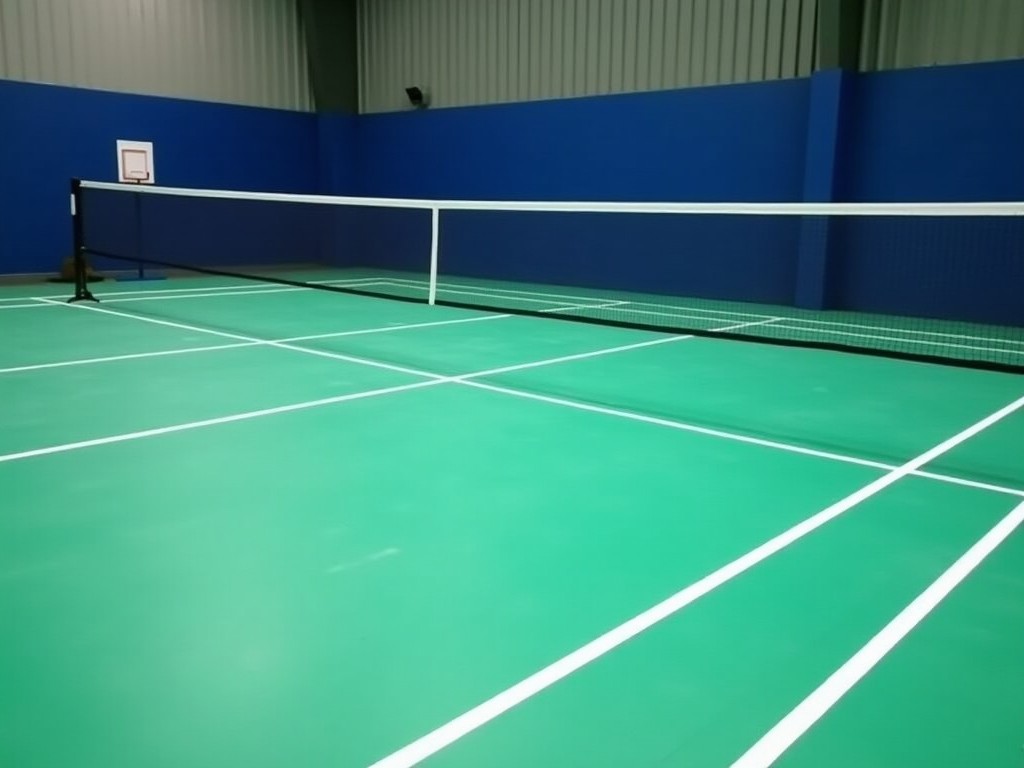
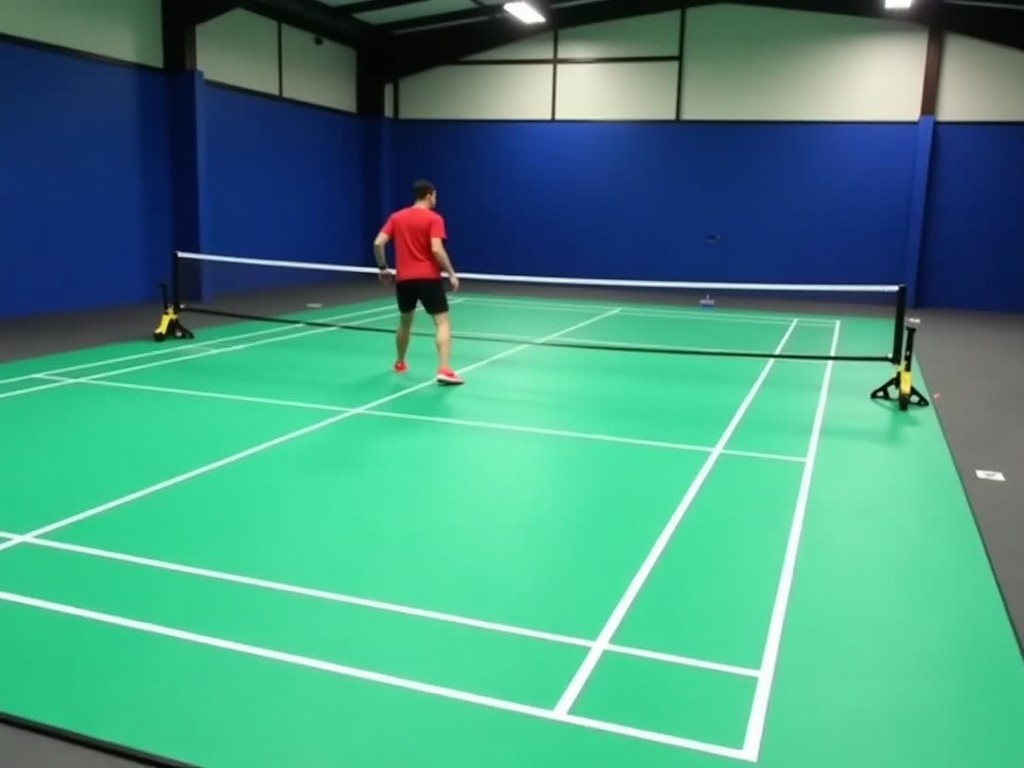
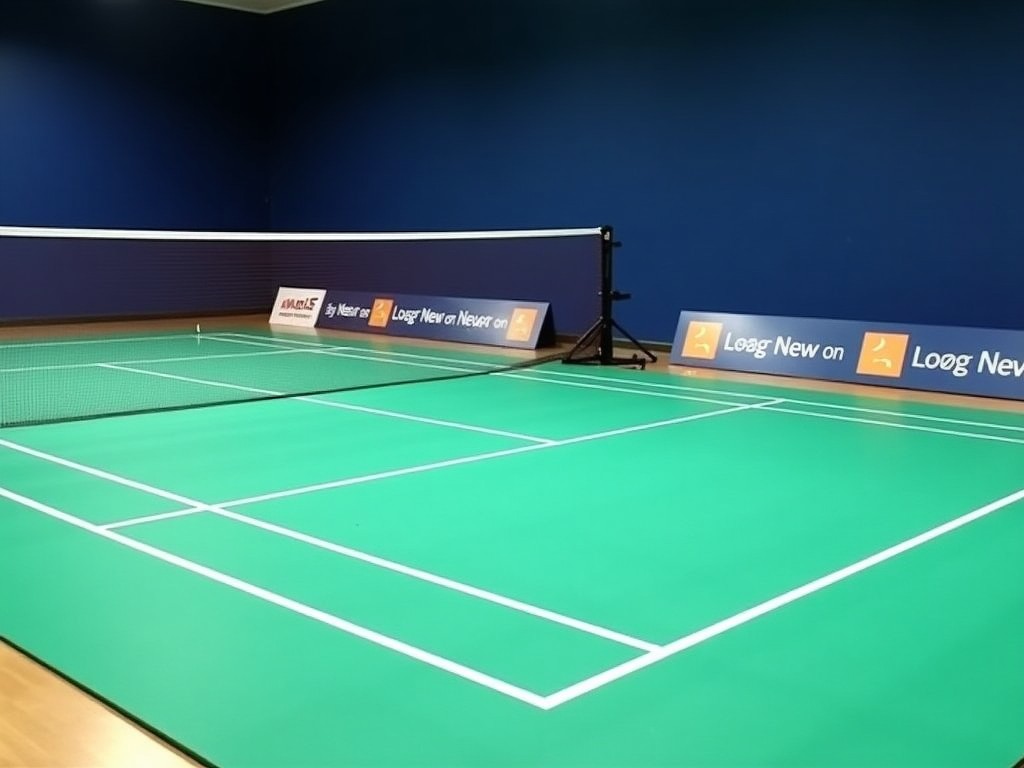
Indoor badminton courts require a surface that delivers consistent shuttlecock bounce, adequate shock absorption, and reliable slip resistance under dynamic footwork. The mat must maintain these properties over thousands of hours of play while resisting indentation from shoe loads and environmental factors such as humidity.
Key Performance Characteristics
- Shock absorption measured by impact force reduction ≥30% compared to bare concrete (ASTM F355).
- Slip resistance coefficient of friction (COF) ≥0.6 wet and dry (ASTM D2047).
- Thickness tolerance ±0.5 mm across the full panel.
- Density range 250–350 kg/m³ for optimal rebound and durability.
- Dimensional stability <0.2% change after 24 h immersion at 40°C.
Material Options
The core is typically a closed‑cell ethylene‑vinyl acetate (EVA) blend or a polyurethane (PU) foam, selected for its balance of resilience and compression set. Surface layers can be a PVC‑coated polyester fabric or a rubberized top sheet to enhance wear resistance and provide the desired COF.
| Property | Typical Value | Test Standard |
|---|---|---|
| Shock absorption (impact force reduction) | ≥30% | ASTM F355 |
| Wet COF | ≥0.6 | ASTM D2047 |
| Thickness | 10–20 mm (customizable) | ISO 24346 |
| Density | 250–350 kg/m³ | ISO 845 |
Customization Logic
Buyers specify mat dimensions to match court layout, thickness to achieve target force reduction, and surface texture to meet local slip‑resistance regulations. Backing options include a non‑woven polyester layer for easy installation or a moisture‑barrier film for sub‑floor protection.
- Width: 1.0 m to 2.0 m (rolls) or custom panel sizes up to 2 m × 2 m.
- Length: unlimited via continuous roll or cut‑to‑length panels.
- Thickness: 10 mm, 12 mm, 15 mm, 18 mm, 20 mm (intermediate values available).
- Surface finish: smooth, embossed, or textured rib.
- Color: standard court green, blue, red, or custom Pantone match.
- Backing: plain, anti‑slip grid, or vapor‑blocking polyethylene.
Applications: Why the Mat Fits Badminton
Badminton demands rapid lateral movements, sudden stops, and frequent jumps. A mat with uniform shock absorption reduces peak impact on joints, lowering fatigue and injury risk. Consistent COF ensures players can trust foot grip during lunges and slides, preserving the integrity of footwork technique. The mat’s dimensional stability prevents shifting under load, maintaining a flat playing surface that does not alter shuttlecock trajectory.
Quality Control Philosophy
Each production lot undergoes inline thickness scanning (±0.2 mm), density sampling via gravimetric method, and surface COF testing on three random points per 10 m². Finished rolls are inspected for adhesion of surface layer (peel strength ≥1.5 N/mm) and visual defects (no bubbles, delamination, or discoloration). A final batch is subjected to accelerated aging (70 °C, 80 % RH for 168 h) to verify retention of ≥85 % of initial shock absorption.
Packaging and Logistics
Mats are wound onto rigid cores with protective polyethylene film, then placed on pallets secured with strapping and corner guards. For export, pallets are wrapped in shrink‑film and fitted with humidity‑indicating cards to monitor moisture ingress during transit.
Lead Time
Standard tooling‑free configurations ship within 4–6 weeks after receipt of approved drawings. Custom thicknesses, colors, or backing materials add 1–2 weeks for material sourcing and setup.
Frequently Asked Questions
Can dimensions be customized?
Yes. Width, length, and thickness are tailored to court specifications; custom panel shapes are available upon request.
What information is required before quotation?
Court area dimensions, desired thickness, surface color, backing type, and any required certifications (e.g., fire rating).
What materials are available?
EVA/PU foam cores with PVC‑coated polyester or rubberized surface layers; alternative foams and coatings can be quoted.
How is quality inspected?
Inline thickness, density, COF, peel strength, and visual checks; plus accelerated aging validation per lot.
Ready to discuss your specific court requirements? Request a quotation and our technical team will provide a detailed specification sheet and lead‑time confirmation.