Bulk Portable Badminton Court Mat Manufacturer
Bulk Portable Badminton Court Mat Manufacturer
Bulk Portable Badminton Court Mat Manufacturer
Product Overview
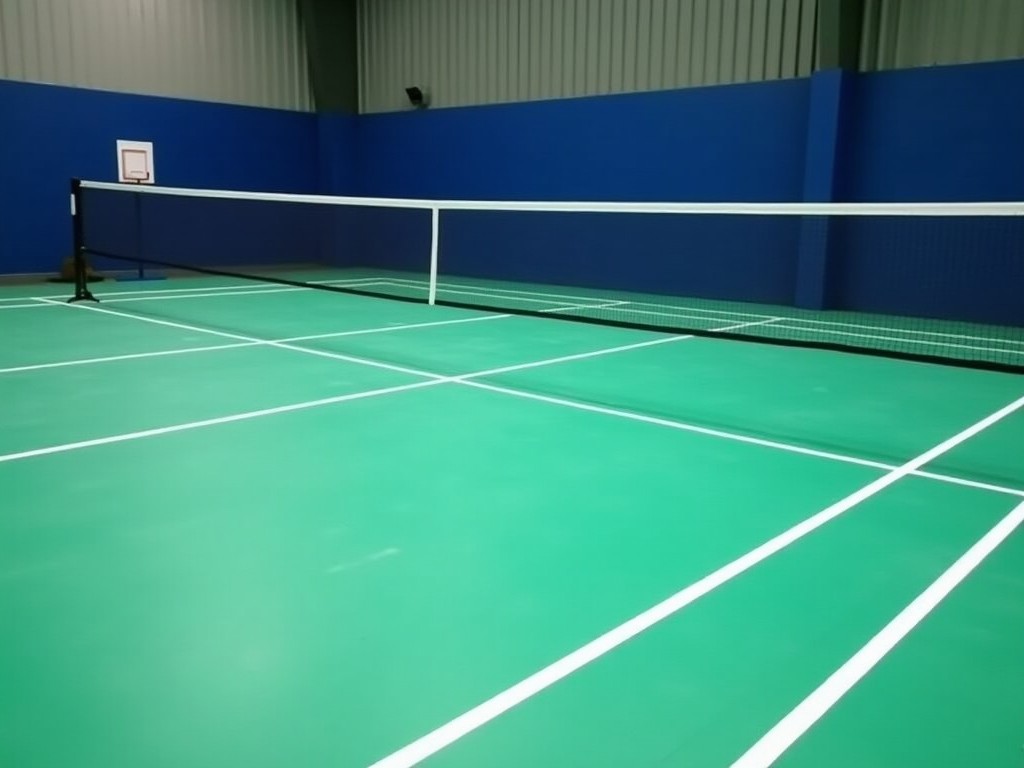
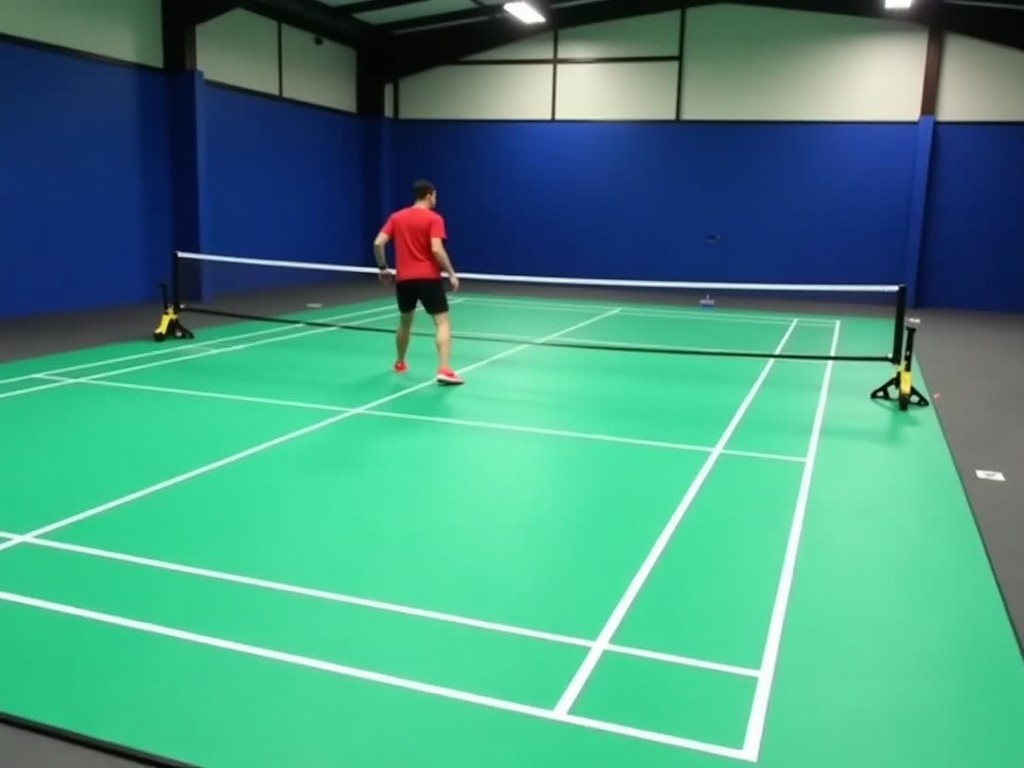
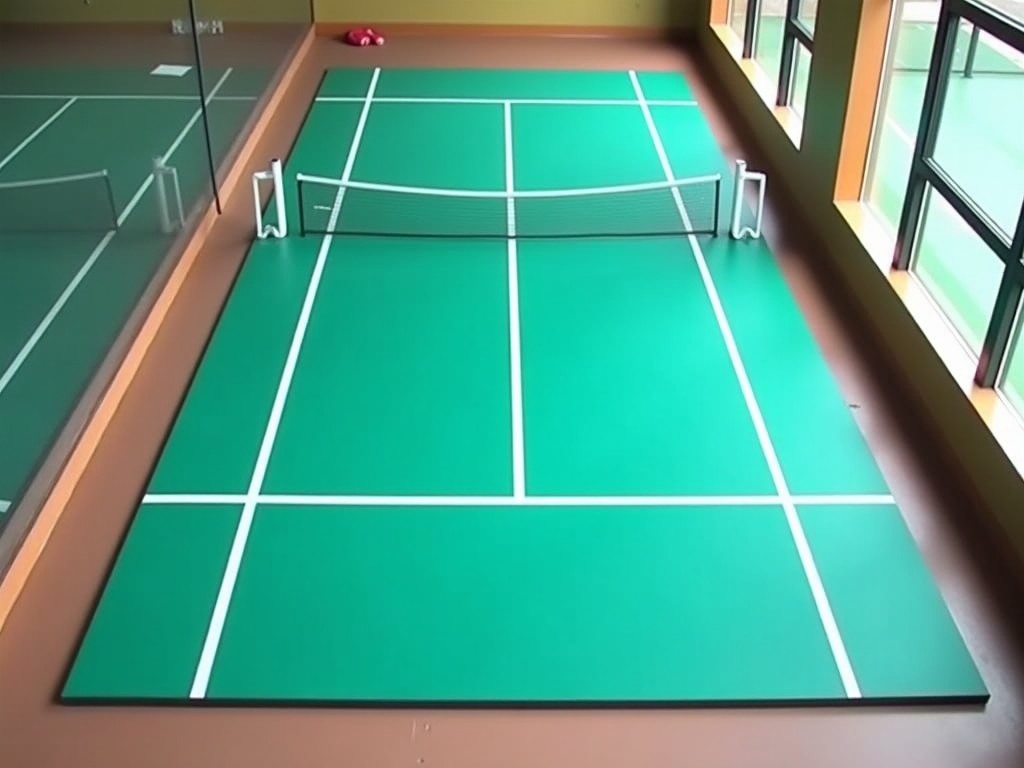
A portable badminton court mat consists of interlocking panels that provide a temporary playing surface over existing flooring. It is used where permanent surfacing is impractical, such as multi‑purpose halls, outdoor events, or training facilities. The mat allows quick installation and removal while meeting play standards for shuttlecock bounce and player safety.
Materials and Construction
Core layers typically combine a high‑density polypropylene base for dimensional stability with a vulcanized rubber top layer that offers abrasion resistance. A closed‑cell foam intermediate layer, usually 5 mm thick, provides shock attenuation measured in G‑force reduction. Surface texture is engineered to achieve a coefficient of friction between 0.6 and 0.8, meeting slip‑resistance requirements for indoor sports. Edges feature a tongue‑and‑groove interlock system molded from the same polypropylene, allowing panels to lock without adhesives.
Typical Technical Specifications
| Property | Typical Value | Test Standard |
|---|---|---|
| Panel thickness | 12 mm (customizable 8‑20 mm) | ISO 9001 |
| Weight per panel | ≈8 kg (1 m × 1 m) | Internal |
| Shock absorption (G‑force reduction) | 30 % vs concrete | ASTM F355 |
| Coefficient of friction | 0.6‑0.8 | ASTM D2047 |
| Tensile strength (PP base) | >25 MPa | ISO 527‑1 |
| Water absorption | <0.5 % vol | ISO 62 |
| Temperature range | ‑10 °C to +50 °C | Internal |
Dimensional Specifications
Standard panel size is 1 m × 1 m with a thickness of 12 mm, yielding a weight of approximately 8 kg per panel. For large‑area rolls, mats can be supplied in 2 m wide rolls up to 20 m long, reducing the number of seams. When rolled, the mat diameter is about 30 cm and the roll weighs roughly 160 kg, facilitating handling with standard pallet jacks.
Applications
Facilities that host multiple sports or community events benefit from a surface that can be laid over existing flooring without damaging the substrate. Schools and recreation centers use the mat to convert gymnasiums into badminton courts for after‑school programs, avoiding costly permanent resurfacing. Event organizers rely on the quick‑lock system to install a regulation‑size court in under 30 minutes, meeting tight turnaround schedules between matches. Military bases and disaster‑relief sites deploy the mat as a hygienic, portable playing area that can be sanitized and stored for future use.
Quality Control and Testing
Each batch undergoes dimensional inspection with a laser micrometer, verifying panel length and width tolerances of ±0.5 mm. Weight per square meter is checked using a calibrated scale; acceptance criterion is 8 kg ± 0.4 kg per panel. Peel adhesion between the foam and rubber layers is tested per ASTM D903, requiring a minimum of 1.2 N/mm. Accelerated aging cycles (UV, heat, humidity) are performed to confirm that slip resistance and tensile strength remain within specification after 6 months of simulated use.
Customization Options
- Thickness options from 8 mm to 20 mm in 2 mm increments
- Color choices: standard green, blue, red, or custom Pantone matches
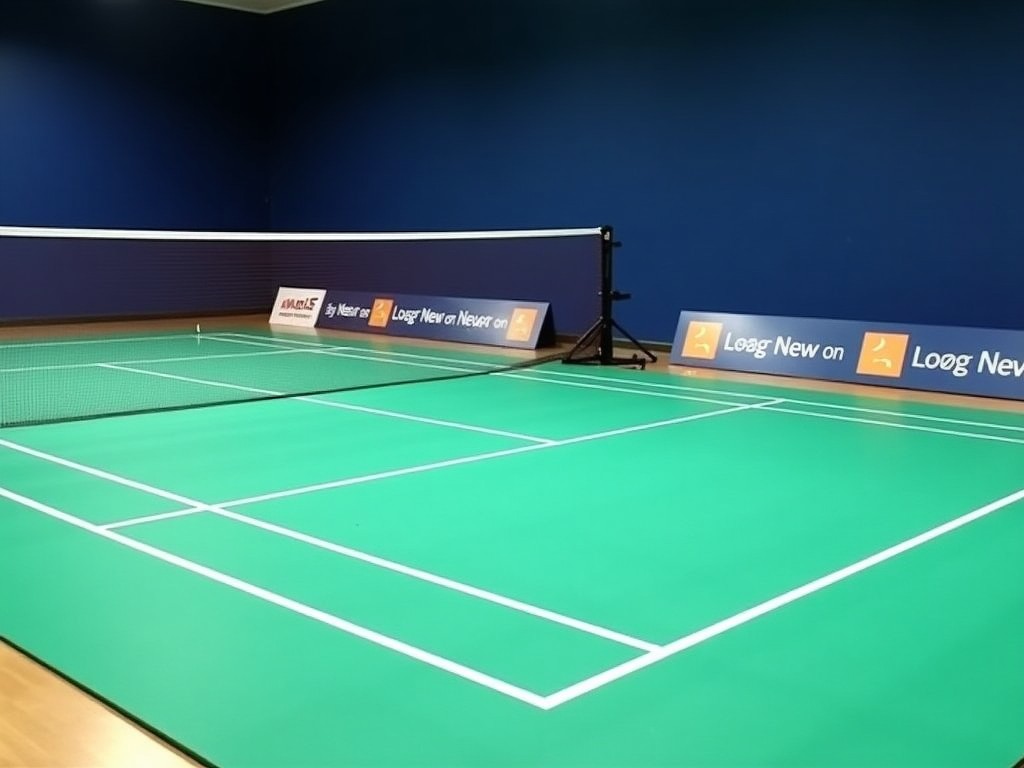
- Surface printing for logos, court lines, or sponsor branding
- Edge profiling: beveled, square, or with integrated fastening strips
- Roll length customization up to 30 m for continuous installations
Packaging and Logistics
Mats are rolled onto a rigid cardboard core and wrapped in polyethylene film to protect against moisture and abrasion. Standard pallet configuration holds 20 rolls (each 2 m × 20 m) with a total weight of approximately 3.2 t, fitting within a 40‑ft container. Corner protectors and strap‑secure brackets are used to prevent shifting during transit, reducing the risk of damage.
Frequently Asked Questions
Can the mat dimensions be customized?
Yes. Panel size, thickness, and roll length can be adjusted to match specific court layouts or facility constraints. Custom tooling may be required for non‑standard widths.
What information is needed for a quotation?
Required details include total area to be covered, desired thickness, color preference, any logo or line‑marking printing, and delivery destination. Quantities affect pallet optimization and freight cost.
Which materials are available for the top wear layer?
The standard top layer is vulcanized rubber with a grit‑enhanced surface. Alternatives include thermoplastic polyurethane (TPU) for higher abrasion resistance or a low‑density polyethylene coating for reduced weight.
How is product quality inspected before shipment?
Each roll undergoes visual inspection, dimensional verification, weight check, and a slip‑resistance test. A batch‑specific test report is available upon request.
What packaging methods protect the mat during export?
Mats are wrapped in UV‑stabilized polyethylene film, placed on a sturdy cardboard core, and secured with polyester strapping. Corner boards and edge protectors guard against impact during handling.
What is the typical production lead time?
For standard configurations, lead time is 3‑4 weeks after receipt of approved artwork and deposit. Custom colors or special finishes may extend lead time by 1‑2 weeks.
Contact Us
For technical data sheets, sample requests, or a formal quotation, please reach out to our engineering team. We are ready to discuss your project requirements and provide a solution that meets performance and budget goals.