Bulk Outdoor Synthetic Badminton Court Mat Supplier
Bulk Outdoor Synthetic Badminton Court Mat Supplier
Bulk Outdoor Synthetic Badminton Court Mat Supplier
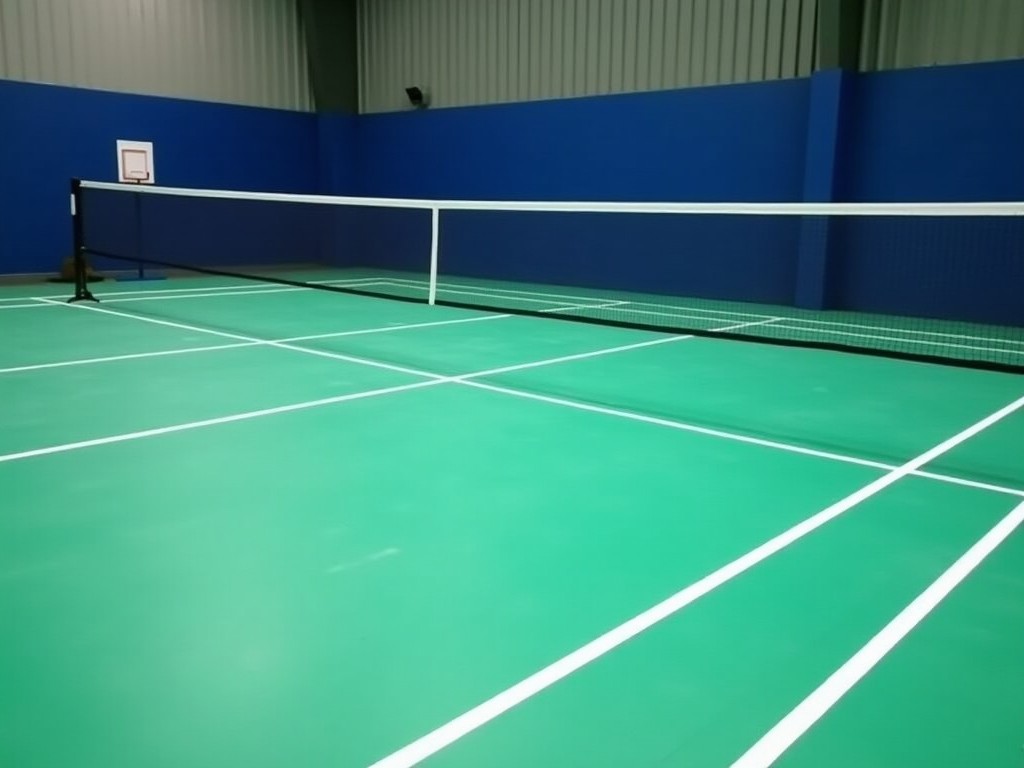
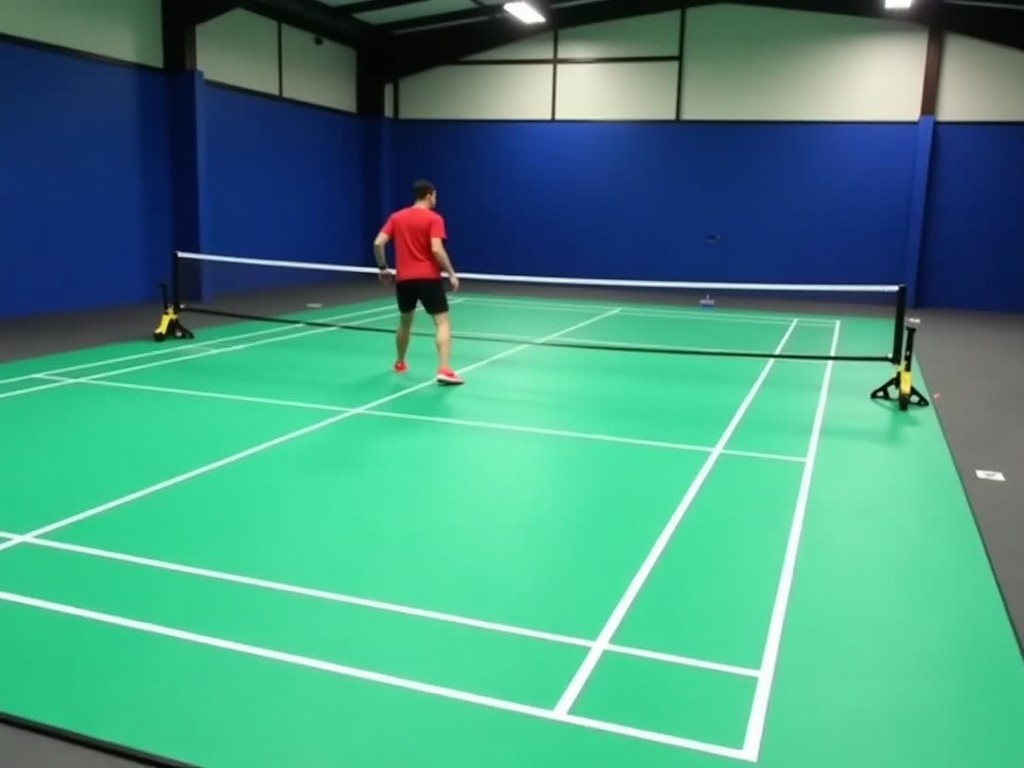
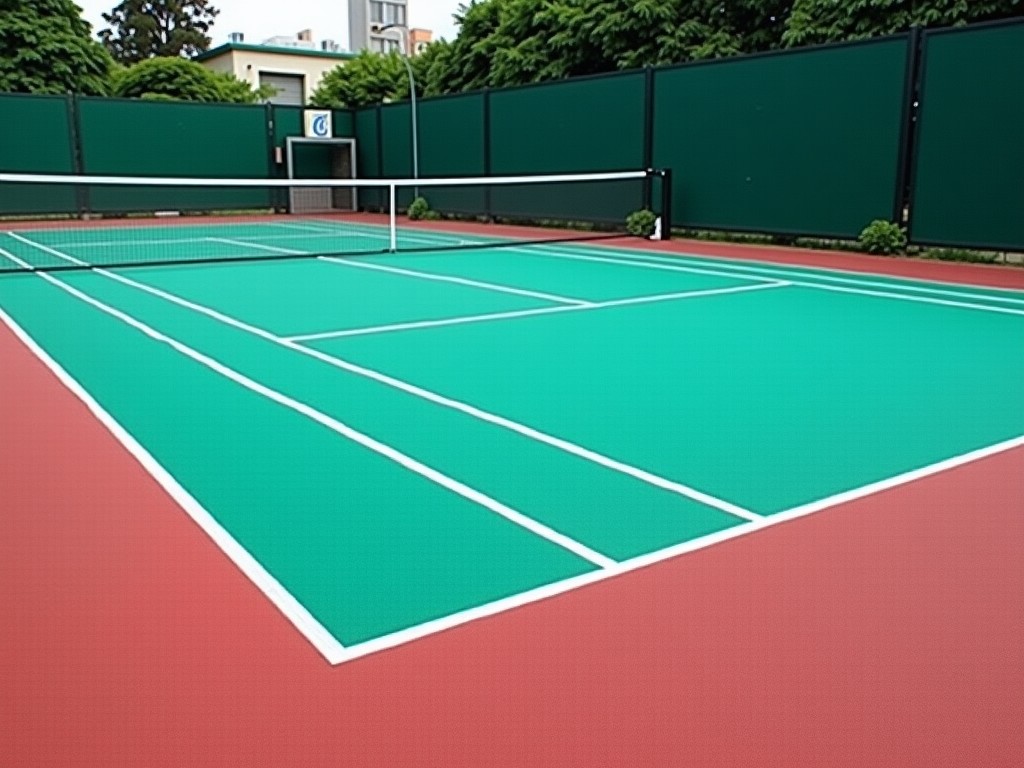
Outdoor badminton courts require a surface that combines consistent ball rebound, player safety, and resistance to weathering. Synthetic court mats meet these demands by integrating a polymer wear layer with a shock‑absorbing base, providing a uniform playing field that can be installed over asphalt, concrete, or compacted gravel.
Material Composition and Structure
The wear layer is typically a UV‑stabilized polyvinyl chloride (PVC) or thermoplastic elastomer (TPE) compound, formulated to retain flexibility between –20 °C and +60 °C. Beneath this layer, a closed‑cell foam backing made from expanded polyethylene (EPE) or ethylene‑vinyl acetate (EVA) delivers impact attenuation, reducing peak forces on joints during lunges and jumps.
Surface texture is engineered through a controlled embossing process that yields a coefficient of friction around 0.6 – 0.7 under dry conditions, ensuring adequate grip for lateral movements while allowing quick release for shuttle‑cock slides. Edge profiles feature interlocking tongues and grooves that eliminate gaps and prevent water ingress.
Performance Characteristics
Key performance indicators are derived from laboratory testing according to ISO 9074 for sports flooring. Typical values include a vertical deformation of 2.5 mm ± 0.3 mm under a 500 N impact, which aligns with the range recommended for badminton to balance foot stability and shock absorption.
Abrasion resistance is measured using the Taber abraser (CS‑10 wheels, 500 g load) and generally shows less than 150 mg loss after 1000 cycles, indicating suitability for high‑traffic club environments. Drainage capacity exceeds 150 mm/hour due to perforations in the backing layer, preventing standing water after rain.
Technical Specification Table
| Property | Typical Value | Test Method / Reference |
|---|---|---|
| Thickness (wear layer + backing) | 8 mm ± 0.5 mm | Caliper measurement (ISO 2286‑1) |
| Weight per m² | 4.2 kg ± 0.2 kg | Balance scale (ISO 23999) |
| Tensile strength (MD/CD) | 12 MPa / 10 MPa | ASTM D412 |
| UV stability (hours) | 1500 h (Xenon arc) | ISO 4892‑2 |
| Slip resistance (wet) | 0.45 µ | EN 13036‑4 |
Installation and Substrate Requirements
Proper substrate preparation is essential for long‑term performance. The base must be level within ±3 mm over a 2 m span, free of loose debris, and possess a compressive strength of at least 15 MPa if concrete. A geotextile separator may be installed over granular substrates to prevent migration of fines into the mat backing.
Mats are supplied in rolls of 2 m width and lengths up to 30 m, allowing seamless coverage with minimal seams. Adjacent rolls are joined via the interlocking edge system; no adhesives or mechanical fasteners are required, which simplifies removal for seasonal storage or court re‑configuration.
Customization Options
Thickness can be adjusted between 6 mm and 12 mm to meet specific impact attenuation targets or budget constraints. Color pigments are integrated into the wear layer, offering standard court‑green, blue, or custom RAL matches upon request.
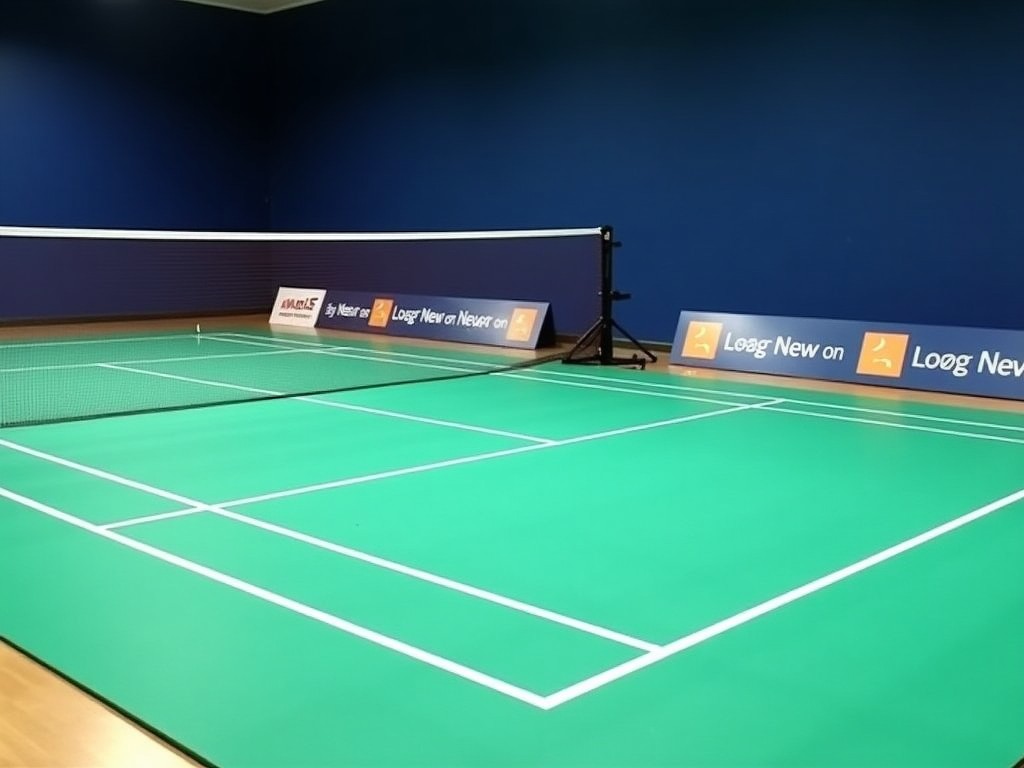
Surface printing accommodates logos, court lines, or sponsor branding using UV‑cured inks that retain adhesion after 500 h of UV exposure. Custom roll lengths and widths are available to suit irregular court dimensions or to facilitate transport in standard 20‑ft containers.
Quality Control and Testing Philosophy
Each production lot undergoes in‑line monitoring of thickness, density, and color consistency. Finished mats are sampled for tensile strength, abrasion loss, and slip resistance according to the table above. Results are recorded and compared against predefined control charts; any deviation beyond ±10 % triggers a lot hold and root‑cause analysis.
Documentation includes a material safety data sheet (MSDS), a test report per batch, and a compliance statement referencing ISO 9074 and EN 14904 where applicable. Traceability is maintained via lot numbers etched onto the mat backing.
Packaging and Logistics
Mats are rolled onto a rigid cardboard core (inner diameter 150 mm) and wrapped in a UV‑stabilized polyethylene film to protect against moisture and abrasion during transit. Rolls are then secured on pallets with stretch film and corner protectors, enabling safe handling with forklifts or pallet jacks.
Standard pallet configuration holds up to 12 rolls (≈ 240 m²) and weighs approximately 520 kg. For overseas shipments, a plywood crate or ISPM‑15 compliant wooden case can be provided upon request to meet customs inspection requirements.
Applications: Why This Mat Fits Outdoor Badminton Venues
Outdoor badminton courts experience fluctuating temperatures, UV exposure, and occasional precipitation. A synthetic mat with a closed‑cell foam base mitigates temperature‑induced substrate movement, while the UV‑stabilized wear layer resists embrittlement and color fading over multiple seasons.
The consistent ball bounce provided by the uniform surface reduces variability in gameplay, which is critical for training facilities and competitive clubs. Additionally, the mat’s modular nature allows rapid installation over existing asphalt or concrete, minimizing downtime for municipal recreation centers that host multiple sports.
Frequently Asked Questions
- Can dimensions be customized? Yes, width, length, and thickness can be tailored to project specifications; custom tooling may be required for non‑standard widths.
- What information is needed for a quotation? Required details include court area, substrate type, desired thickness, color preference, and any branding or line‑marking requirements.
- Which materials are available? Standard offerings use PVC‑based wear layers with EPE or EVA backing; TPE‑based options are available upon request for enhanced low‑temperature flexibility.
- How is quality inspected? Each lot undergoes dimensional checks, tensile and abrasion testing, and slip resistance verification; reports are supplied with delivery.
- What packaging methods are available? Rolls are wrapped in protective film and palletized; wooden crates or ISPM‑15 cases can be supplied for export.
- How are export shipments protected? Film wrapping, corner boards, and stretch‑film stabilization guard against moisture and mechanical damage during transit.
- What is the typical production lead time? Lead time ranges from 3 to 6 weeks depending on order size and customization level; confirmed after receipt of technical specifications.
- How are samples arranged? Sample sections (1 m × 1 m) can be shipped via express courier; costs are credited against a subsequent order.
Get a Quote
To discuss your outdoor badminton court project, provide the court dimensions, substrate condition, and performance targets. Our technical team will respond with a detailed specification sheet, pricing, and lead‑time estimate.
Request a Quote