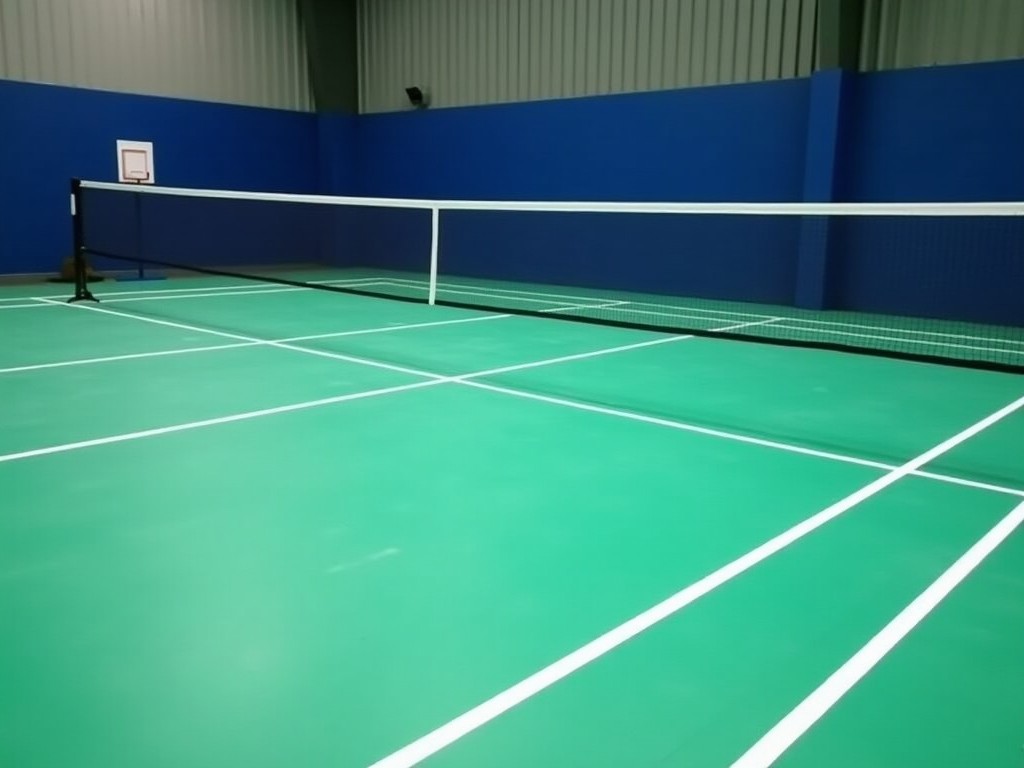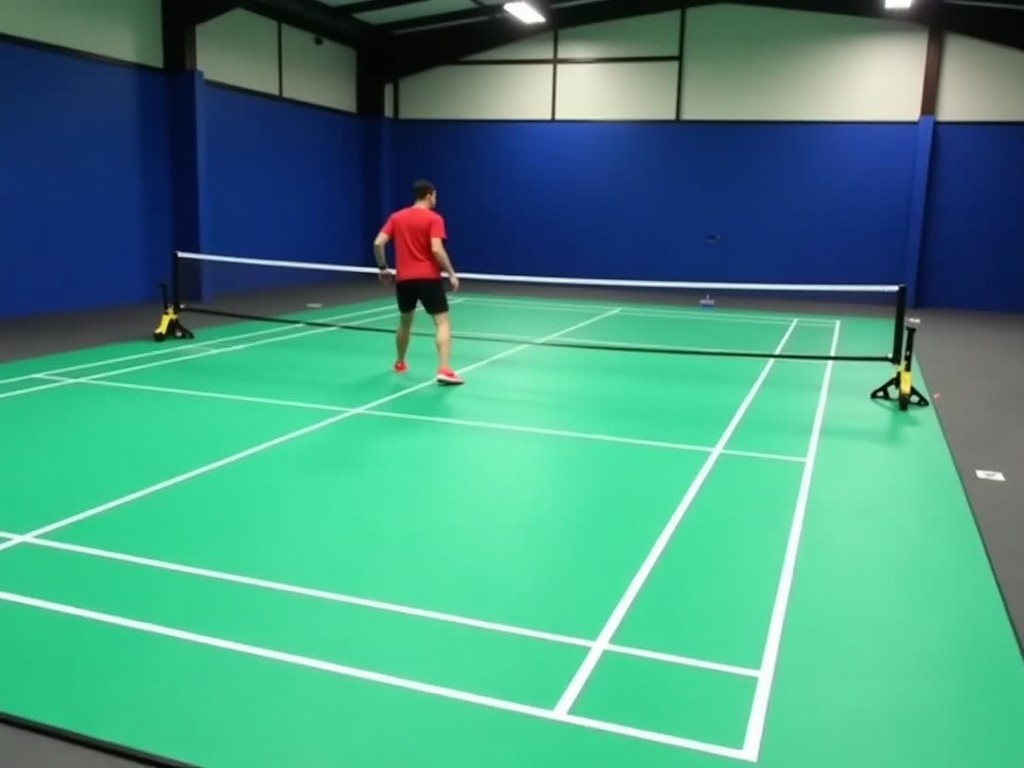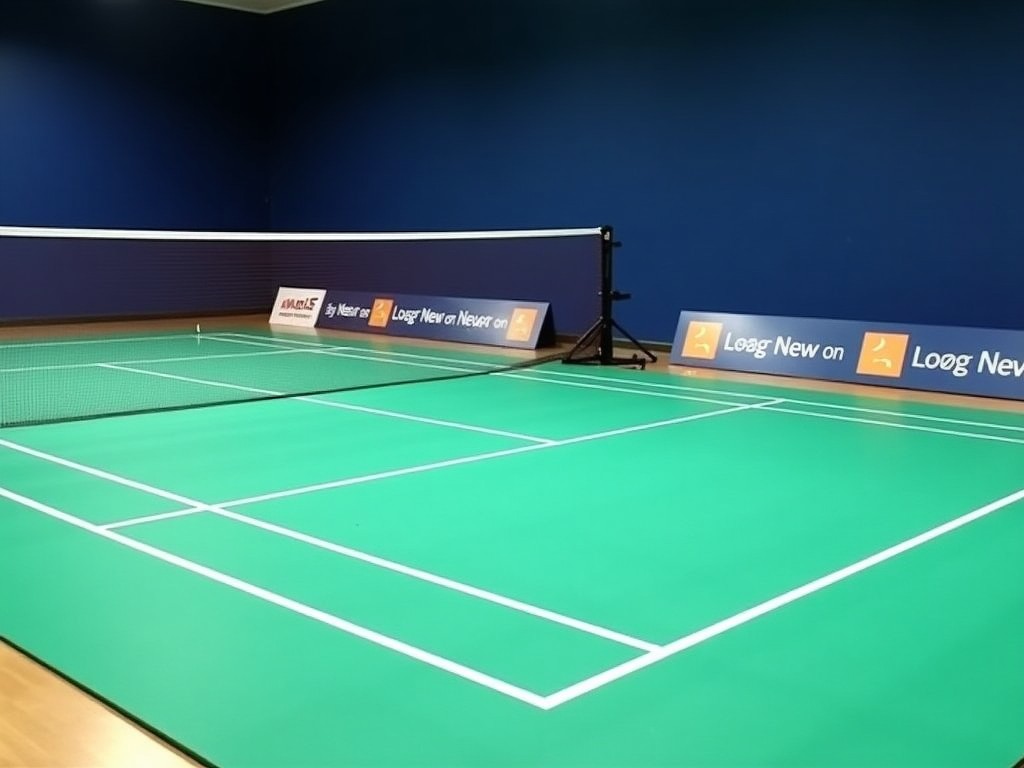
Bulk Court And Net Of Badminton Mats Company
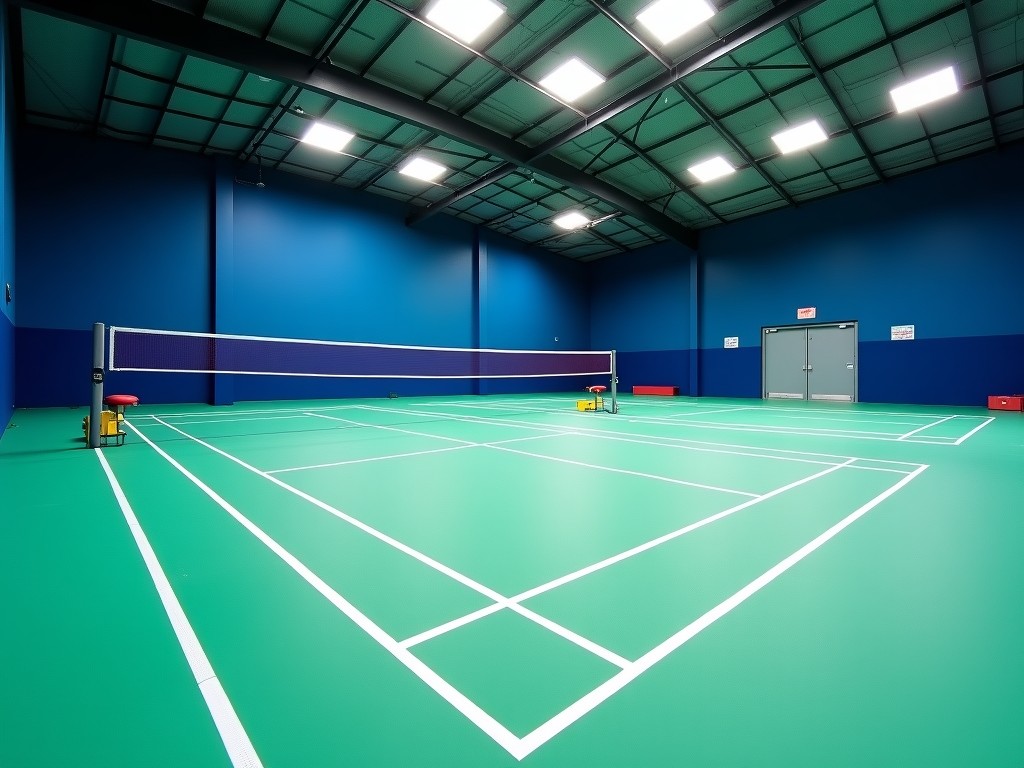
Bulk Court And Net Of Badminton Mats Company
Bulk Badminton Court Mats and Nets
Manufacturers and sports facility operators often require large quantities of court surfacing and netting that meet consistent performance standards. This section explains the core attributes of bulk‑supplied badminton mats and nets, focusing on material behavior, dimensional stability, and suitability for repeated installation cycles.
The mats are designed as interlocking panels that provide a uniform shock‑absorbing surface, while the nets are fabricated from high‑tenacity polypropylene with UV‑stabilized coatings. Understanding these fundamentals helps procurement teams evaluate long‑term value and maintenance requirements.
Material Composition and Construction
Court mats typically consist of a closed‑cell ethylene‑vinyl acetate (EVA) foam core laminated to a wear‑resistant polyvinyl chloride (PVC) top layer. The EVA core delivers compressive deflection of approximately 25 % at a 500 N load, which translates to consistent foot‑feel across the playing area.
The PVC surface is embossed to increase slip resistance, achieving a wet‑pendulum test value of around 45 BPN. Nets are extruded from polypropylene filaments with a denier range of 1100–1300 dtex, coated with a UV‑inhibitor that retains tensile strength above 30 MPa after 500 hours of accelerated weathering.
Technical Characteristics
- Mat thickness: 12 mm ± 0.5 mm (customizable to 15 mm or 18 mm)
- Panel size: 1 m × 1 m interlocking tiles (edge tolerance ±0.2 mm)
- Shock absorption (ASTM F2569): 35 %–40 % energy return
- Net mesh size: 20 mm × 20 mm (optional 15 mm or 25 mm)
- Net height: 1.55 m (standard) with tensioning rope diameter 6 mm
Applications in Sports Facilities
Badminton courts installed in multi‑purpose halls benefit from modular mats that can be relocated without damaging sub‑flooring. The interlocking design allows rapid deployment for tournaments, while the consistent surface reduces variability in shuttlecock bounce, which is critical for competitive play.
Nets supplied in bulk packs are suited for institutions that replace netting seasonally due to wear from frequent tensioning. The UV‑stabilized polypropylene resists degradation under indoor lighting and occasional outdoor exposure, extending service life beyond 12 months under typical usage.
Quality Assurance and Testing
Each production lot undergoes dimensional verification using laser scanning to confirm panel flatness within 0.3 mm over a 1 m span. Mechanical testing includes compressive creep analysis under a sustained 200 N load for 24 hours, with acceptable deformation limited to 2 % of original thickness.
Net batches are inspected for filament uniformity via optical diameter measurement and subjected to cyclic load testing (10 000 tension‑release cycles at 30 N) to assess fatigue resistance. Results are documented in a test report available upon request.
Customization Options
Buyers can adjust several parameters to match specific facility requirements. The following table outlines typical ranges and notes where values are configurable according to project specifications.
| Parameter | Standard Value | Customizable Range |
|---|---|---|
| Mat thickness | 12 mm | 10 mm – 20 mm (in 2 mm increments) |
| Top layer hardness (Shore A) | 85 | 80 – 90 |
| Net mesh opening | 20 mm | 15 mm – 25 mm |
| Net filament denier | 1200 dtex | 1000 – 1500 dtex |
| Panel color | Green (PMS 347) | Custom Pantone or RAL upon request |
Packaging and Logistics
Mats are stacked on pallets with interleaving polyethylene sheets to prevent surface abrasion during transit. A standard pallet holds 50 m² of flooring (approximately 200 panels) and is secured with stretch film and corner protectors.
Nets are wound on reusable spools, placed in corrugated cartons with internal bracing to maintain shape. Each carton contains 10 nets, labeled with lot number and length. Export shipments comply with ISPM‑15 standards for wooden pallets, and moisture‑absorbent packets are included to limit humidity effects.
Frequently Asked Questions
- Can dimensions be customized? Yes, panel size, mat thickness, and net mesh can be adjusted per project requirements; contact sales for exact tolerances.
- What information is required before quotation? Facility area, desired thickness, net height, color preferences, and delivery timeline.
- What materials are available? EVA/PVC composite mats and UV‑stabilized polypropylene nets; alternative foam cores (e.g., PU) are offered upon request.
- How is quality inspected? Dimensional scans, compressive creep tests, and net fatigue cycles are performed on each lot; reports are available.
- What packaging methods are available? Palletized mats with PE interleaving, spool‑packed nets in cartons; custom packaging (e.g., crates) can be arranged.
- How are export shipments protected? Heat‑treated pallets, stretch film, corner guards, and desiccant packets; compliance with ISPM‑15.
- What is the typical production lead time? 3–4 weeks for standard specifications; customized orders may extend to 6 weeks depending on complexity.
- How are samples arranged? Sample kits (1 m² mat + 1 net) are shipped at client cost; lead time 5–7 business days.
Contact for Inquiry
For detailed specifications, pricing, or to request a sample kit, please reach out to our technical sales team. Provide your project dimensions, required quantities, and any special constraints to receive an accurate quotation.
Submit an inquiry or email [email protected] to begin the procurement process.