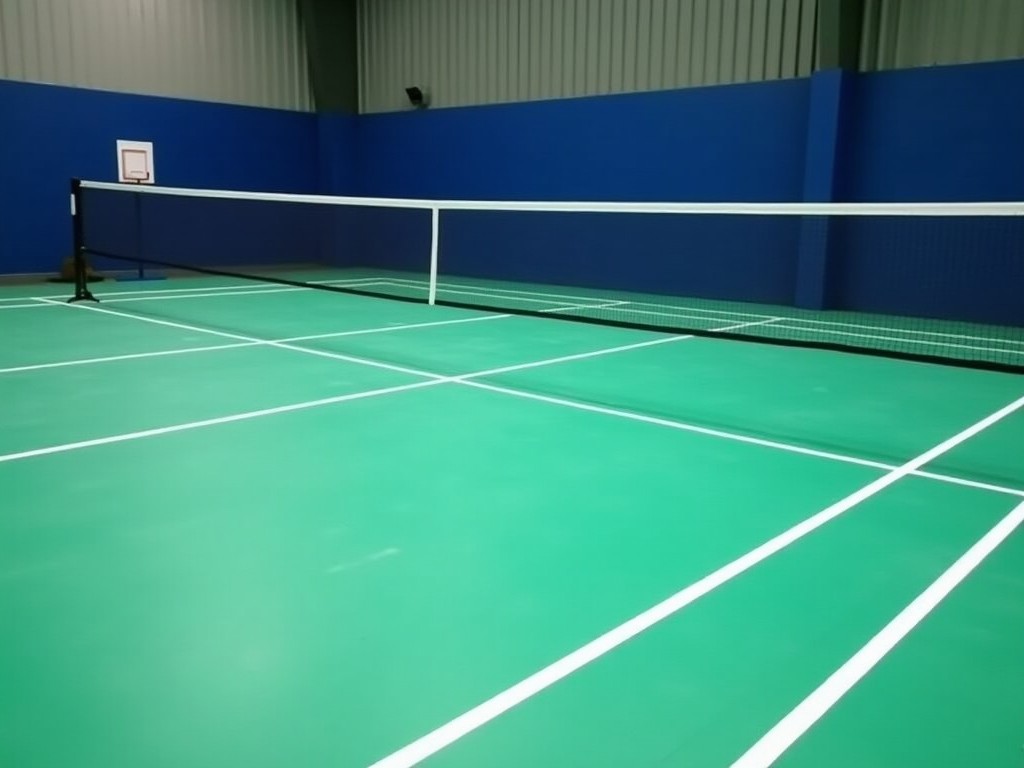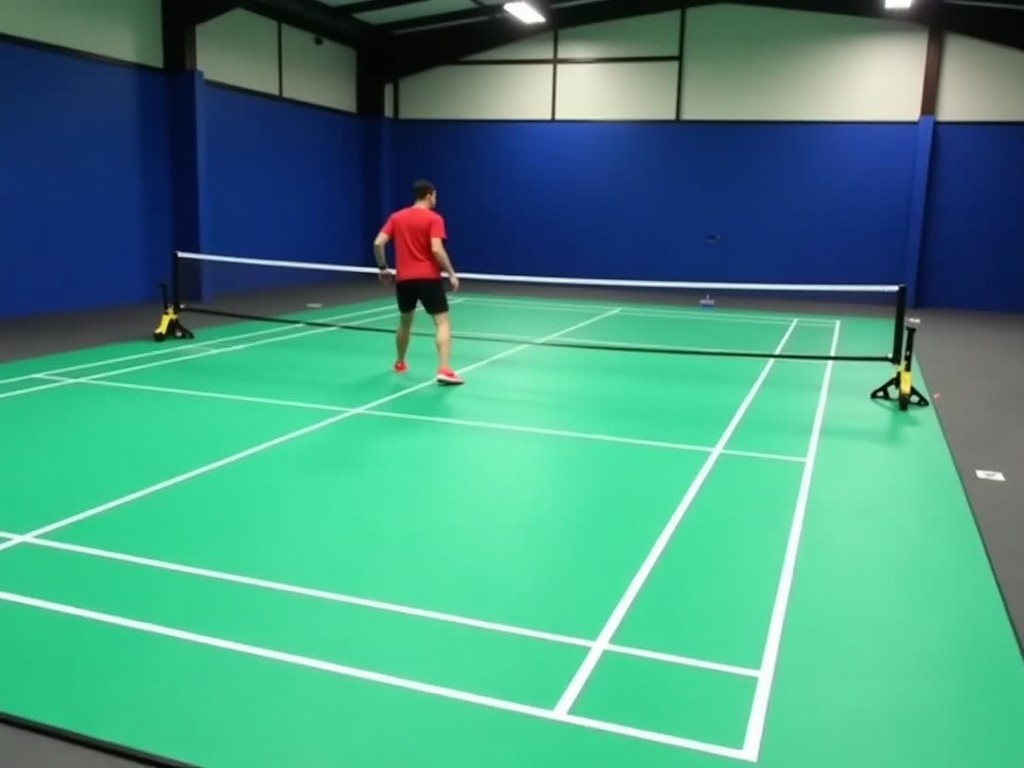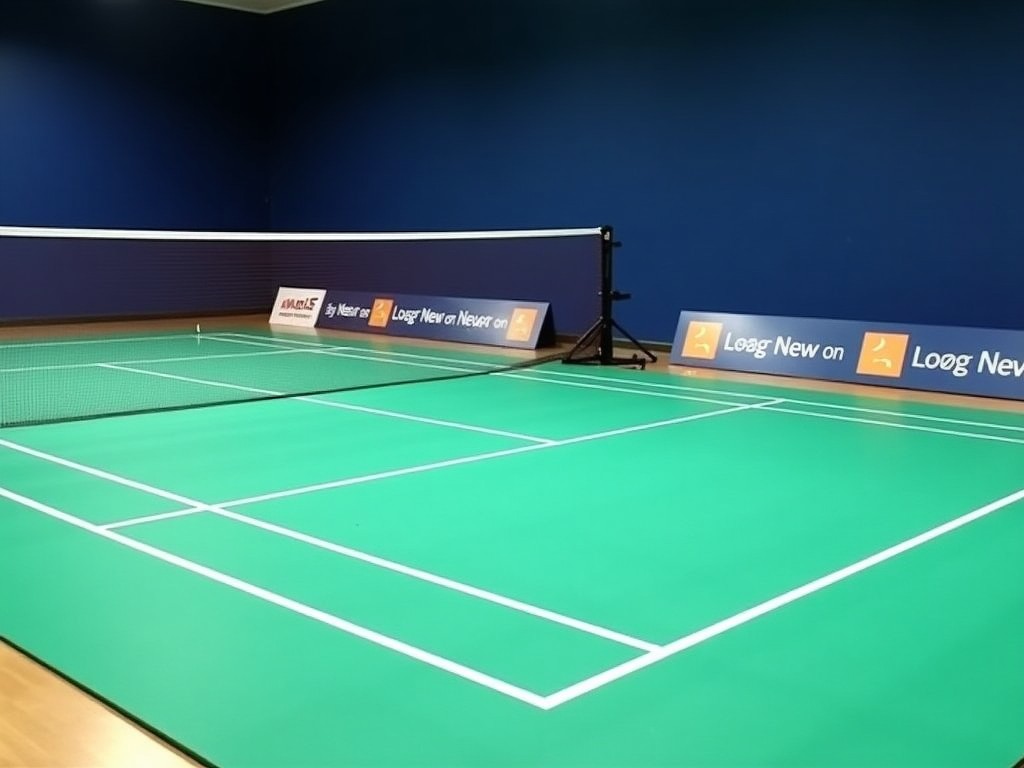
Bulk Badminton Synthetic Court Flooring Cost Company
Bulk Badminton Synthetic Court Flooring Cost Company
Bulk Badminton Synthetic Court Flooring – Cost Considerations and Technical Specifications
When evaluating bulk synthetic flooring for badminton courts, procurement engineers focus on measurable performance attributes that directly influence playability, maintenance frequency, and lifecycle cost. This page explains the key technical factors that drive price variations and helps you assess value beyond the quoted unit cost.
Material Composition and Layer Structure
Typical badminton court flooring consists of a wear layer, a shock‑absorbing base, and a backing system. The wear layer is usually a polyvinyl chloride (PVC) or polyurethane (PU) coating with a thickness ranging from 0.8 mm to 1.5 mm, measured in microns for precision. The base layer often combines recycled rubber granules with a foamed polymer matrix, providing a density between 0.6 g/cm³ and 0.9 g/cm³. The backing is a woven polyester or fiberglass mat that adds dimensional stability and resists delamination under cyclic loading.
Performance Characteristics Influencing Cost
Three primary performance metrics affect pricing: shock absorption (measured as % force reduction), vertical deformation (mm), and slip resistance (coefficient of friction). Shock absorption values for compliant badminton surfaces fall between 35 % and 50 % according to ASTM F2772, directly impacting player fatigue and injury risk. Vertical deformation is typically maintained between 0.5 mm and 1.0 mm to ensure consistent ball bounce. Slip resistance targets a coefficient of friction of 0.6 – 0.8 under both dry and slightly damp conditions, tested per EN 13036‑4.
| Property | Typical Range | Test Standard |
|---|---|---|
| Shock Absorption (% Force Reduction) | 35 % – 50 % | ASTM F2772 |
| Vertical Deformation (mm) | 0.5 – 1.0 | ASTM F2772 |
| Slip Resistance (Coefficient of Friction) | 0.6 – 0.8 | EN 13036‑4 |
| Wear Layer Thickness (mm) | 0.8 – 1.5 | ISO 24340 |
| Base Density (g/cm³) | 0.6 – 0.9 | ASTM D792 |
Installation Requirements and Sub‑floor Preparation
Proper installation adds to overall project cost but prevents premature failure. The sub‑floor must be flat within ±3 mm over a 2 m span, with a compressive strength of at least 20 MPa for concrete bases. A moisture barrier is recommended when relative humidity exceeds 75 % to avoid adhesive degradation. The flooring is typically installed using a pressure‑sensitive adhesive applied at 200‑250 g/m², followed by a rolling process with a 50 kg steel roller to ensure full contact and eliminate air pockets.
Cost Drivers for Bulk Purchases
Unit price scales with wear‑layer thickness, base density, and the proportion of recycled content. A 0.8 mm wear layer may reduce material cost by roughly 12 % compared to a 1.5 mm layer, but may shorten service life in high‑traffic facilities. Base density influences shock absorption; higher density improves performance but raises raw material cost. Volume discounts become significant above 500 m², where logistics savings offset the per‑square‑meter price.
Applications in Badminton Facilities
- Multi‑court clubs requiring uniform bounce and low maintenance across 6‑12 courts.
- School gymnasiums where floor durability under mixed‑use activities is essential.
- Temporary tournament installations needing quick‑release adhesive systems.
- Coaching centers prioritizing slip resistance for junior player safety.
Quality Assurance and Testing Protocols
Manufacturers typically conduct inline thickness gauging, portable durometer checks for surface hardness, and batch‑wise abrasion resistance tests using a Taber apparatus (1000 cycles, CS‑10 wheels). Finished rolls are inspected for color uniformity, edge straightness, and adhesion strength (minimum 1.5 N/mm). Documentation of test results is available upon request to support specification compliance.
Customization Options
Buyers can specify wear‑layer color (standard court green, blue, or custom Pantone matches), embossing patterns for visual guidance, and edge profiling (straight, beveled, or interlocking). Thickness of the wear layer and base density are adjustable within the ranges noted above, allowing alignment with budget constraints while meeting performance targets.
Next Steps
To obtain a detailed quotation tailored to your facility’s dimensions, expected usage intensity, and delivery schedule, provide the following information: total area (m²), sub‑floor type and condition, desired wear‑layer thickness, and any required certifications (e.g., ISO 9001, REACH). Our technical team will return a cost breakdown that includes material, logistics, and installation guidance.