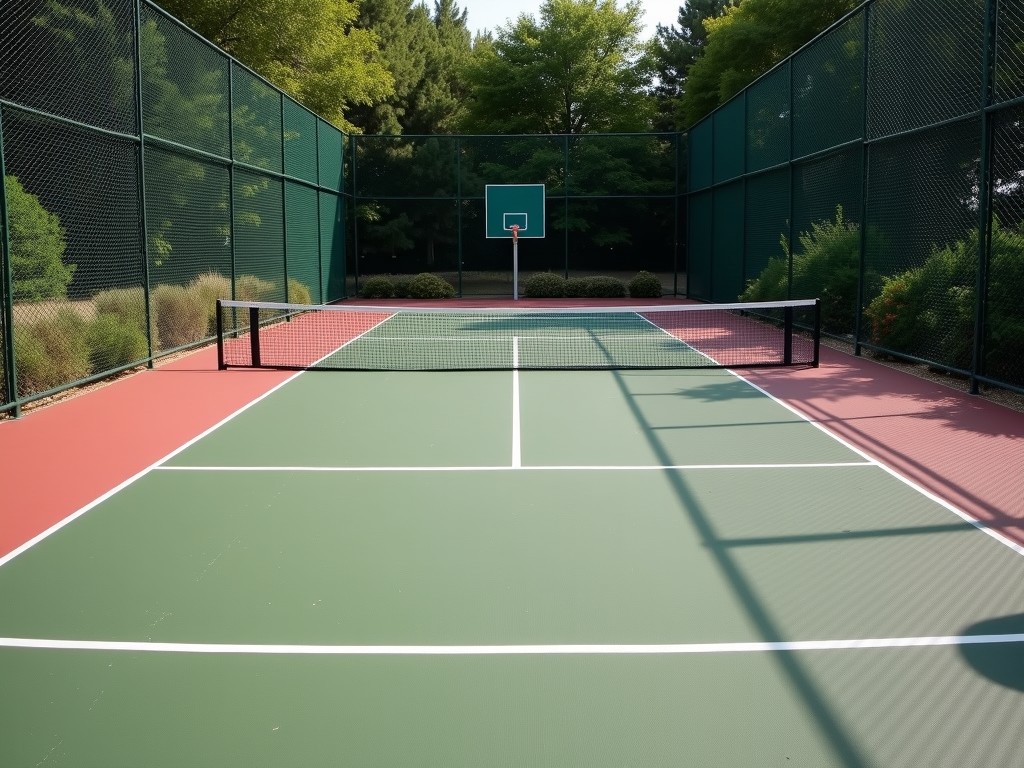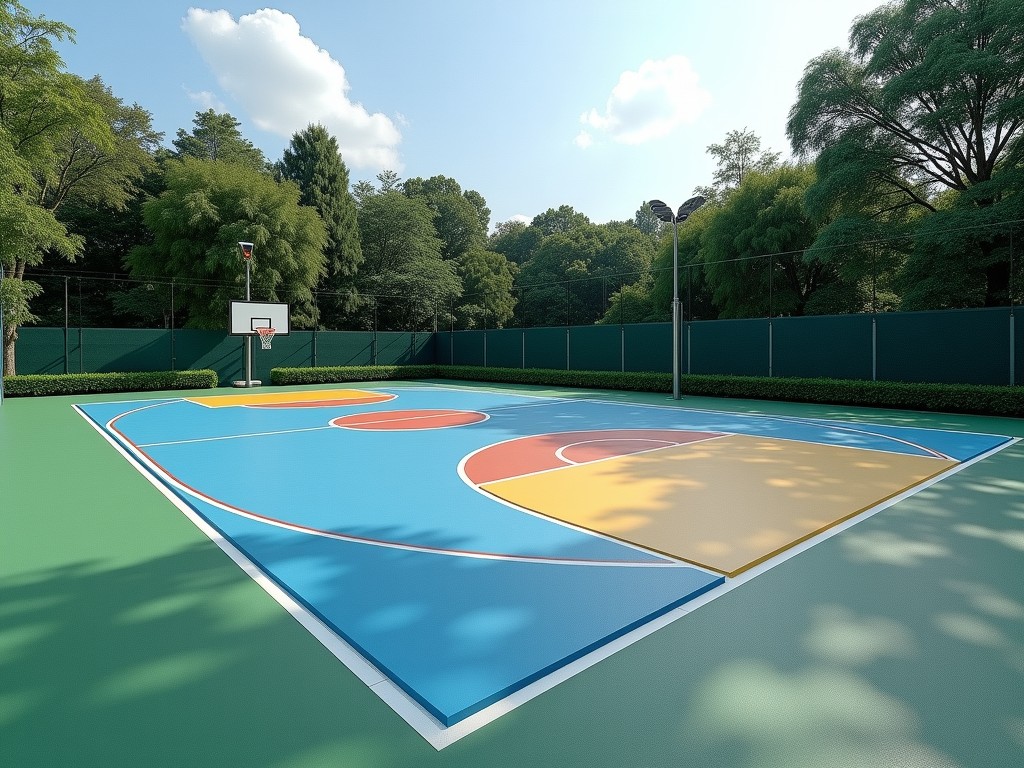
Oem Multi Sport Outdoor Interlocking Floor Tiles Factory
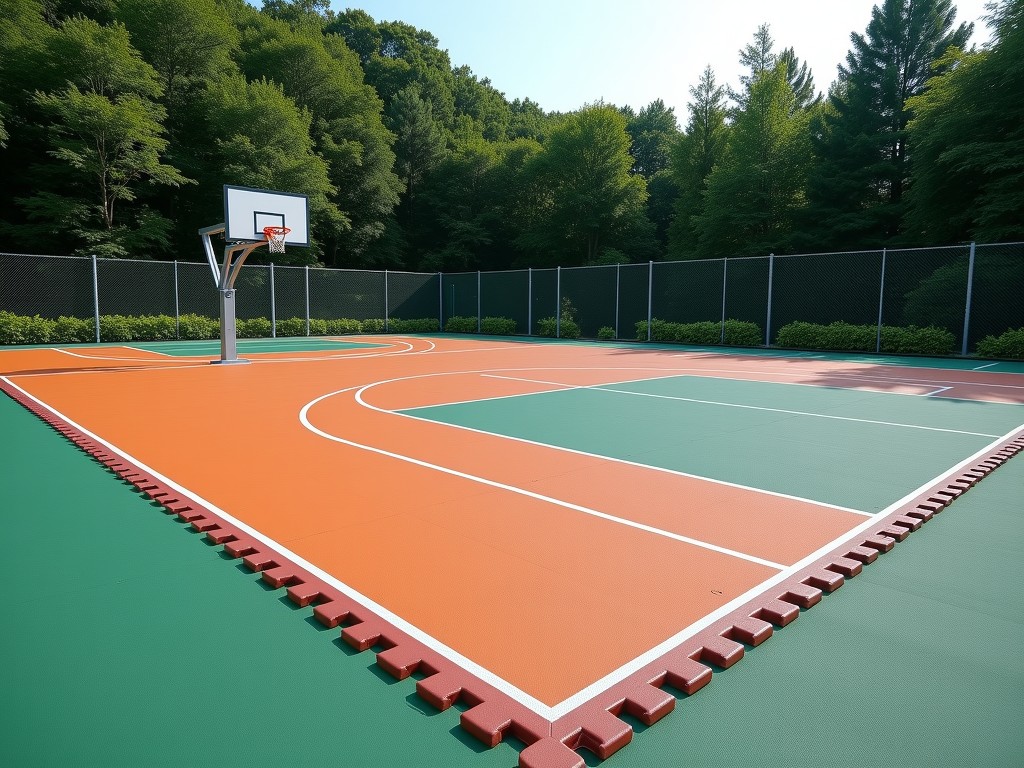
Oem Multi Sport Outdoor Interlocking Floor Tiles Factory
OEM Multi Sport Outdoor Interlocking Floor Tiles
These tiles are engineered for high‑impact sports surfaces that endure UV exposure, temperature swings, and frequent load changes.
The interlocking system allows rapid installation without adhesives, reducing downtime for facility upgrades.
Each unit combines a wear‑resistant top layer with a shock‑absorbing base, delivering consistent performance across multiple disciplines.
Material Composition
The surface layer consists of a vulcanized rubber compound blended with EPDM granules, providing abrasion resistance measured at ≤0.15 mm loss after 10 000 cycles under ASTM D3389.
Underneath, a closed‑cell polypropylene foam core offers compressive strength of 250 kPa and retains 95 % of its thickness after 500 h of accelerated aging at 80 °C.
Both layers are co‑extruded to eliminate delamination risks, and the formulation contains no phthalates or heavy metals, meeting REACH standards.
Interlocking Design & Installation
Each tile features a male‑female dovetail edge on all four sides, engineered to tolerate ±2 mm misalignment while maintaining shear strength above 1.2 MPa.
The dovetail geometry distributes load across the joint, preventing edge lifting under dynamic loads typical of basketball or tennis.
Installation requires only a rubber mallet; tiles can be lifted and re‑positioned without damaging the interlock, enabling modular reconfiguration.
Performance Characteristics
| Property | Typical Value | Test Standard |
|---|---|---|
| Shock Absorption (Force Reduction) | ≥55 % | ASTM F2772 |
| Vertical Deformation | 0.5 mm – 1.0 mm | EN 14904 |
| Slip Resistance (Wet) | SRV ≥ 55 | EN 13036‑4 |
| UV Stability (Color ΔE after 1000 h) | ≤ 3.0 | ISO 4892‑2 |
| Temperature Range | ‑30 °C to +60 °C | Manufacturer Rating |
Applications: Why the Tile Fits Multi‑Sport Facilities
Sports surfaces must transition between activities with different impact profiles; the tile’s tunable shock absorption accommodates both low‑bounce sports like volleyball and high‑impact actions such as sprint starts.
Outdoor exposure demands UV‑stable pigments and water‑drainage channels; the surface incorporates micro‑grooves that direct runoff, preventing puddle formation and maintaining traction.
Facility managers benefit from the tile’s removable nature, allowing seasonal re‑layout or repair of damaged sections without closing the entire court.
Customization Options
- Thickness: 12 mm, 18 mm, or 24 mm (adjustable for load requirements)
- Surface texture: smooth, fine‑grip, or coarse‑grip (affects slip resistance)
- Color: standard palette or custom Pantone match (≥ 95 % colorfastness)
- Logo inset: recessed emblem area for branding, depth up to 3 mm
- Edge treatment: chamfered or square (influences joint visibility)
Quality Control & Testing Philosophy
Each production batch undergoes inline thickness monitoring with laser triangulation, ensuring tolerance ±0.2 mm.
Finished tiles are sampled for impact attenuation using a standardized 5 kg drop hammer; results must fall within the specified shock‑absorption band.
Visual inspection checks for color uniformity and edge integrity under 500 lux lighting, rejecting any specimen with visible flash or surface blemish.
Packaging & Logistics
Tiles are stacked in layers separated by corrugated cardboard slips, then shrink‑wrapped on a pallet sized 1.1 m × 1.1 m.
Each pallet carries a maximum weight of 1 200 kg to comply with standard container loading limits, and includes corner protectors to prevent edge damage during transit.
Shipment documentation provides batch numbers, material safety data sheets, and installation guidelines for quick customs clearance.
Frequently Asked Questions
Can dimensions be customized?
Yes, tile length and width can be adjusted in 50 mm increments to suit specific layout plans, subject to mold availability.
What information is required before quotation?
Projected area, desired thickness, color preference, and any logo or surface texture specifications enable an accurate cost estimate.
How is quality inspected?
Every lot undergoes dimensional, mechanical, and visual checks as outlined in the quality control section; test reports are available upon request.
What packaging methods are available?
Standard palletized shrink‑wrap is default; alternatives include wooden crates or reusable plastic totes for closed‑loop logistics.
Get a Technical Quote
To discuss your project’s performance targets, material options, or lead‑time requirements, reach out to our engineering team.