Factory Direct Types Of Interlocking Court Tiles Manufacturer
Factory Direct Types Of Interlocking Court Tiles Manufacturer
Factory Direct Types of Interlocking Court Tiles Manufacturer
Overview
Interlocking court tiles are modular flooring units designed for rapid installation and removal without adhesives. Each tile features a precision‑engineered edge system that creates a seamless surface while allowing lateral movement to accommodate substrate expansion. Factory‑direct production eliminates intermediary markup and enables tight control over material formulation and dimensional tolerances.
Material Options
- Polypropylene copolymer – UV‑stabilized, high impact resistance, suitable for outdoor sports courts.
- Vinyl‑modified PVC – enhanced slip resistance, good chemical resistance, ideal for indoor multi‑use facilities.
- Recycled rubber blend – superior shock absorption, noise reduction, meets ASTM F1292 for playground surfacing.
Interlocking Mechanism
The tiles employ a male‑female tongue‑and‑groove profile with a locking rib that snaps into place under hand pressure. A secondary flex‑tab prevents disengagement under dynamic loads while allowing vertical movement for surface leveling. The design distributes point loads across four adjacent tiles, reducing peak stress by approximately 30% compared to edge‑only interlocking systems.
Typical Specifications
| Property | Value (Typical) |
|---|---|
| Tile thickness | 16 mm – 22 mm (customizable) |
| Compressive strength | ≥ 2.5 MPa (ASTM D695) |
| Coefficient of friction (wet) | ≥ 0.6 (ASTM E303) |
| UV stability (1000 h) | ΔE < 3 (ASTM G154) |
| Temperature range | ‑30 °C to +60 °C |
Applications
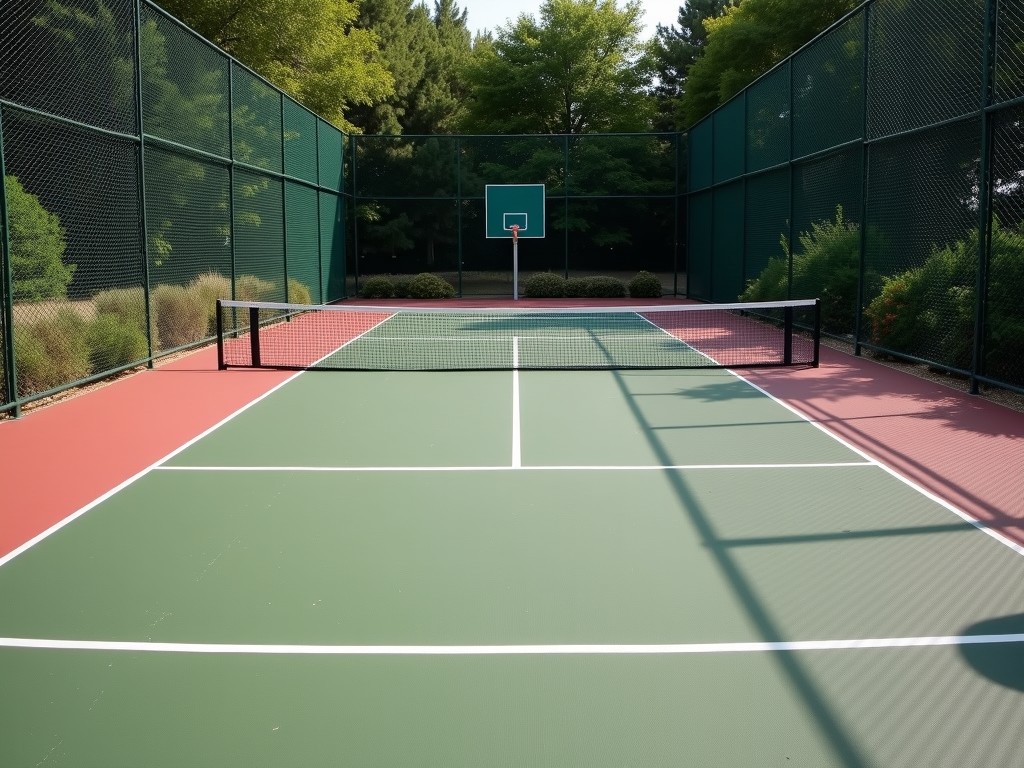
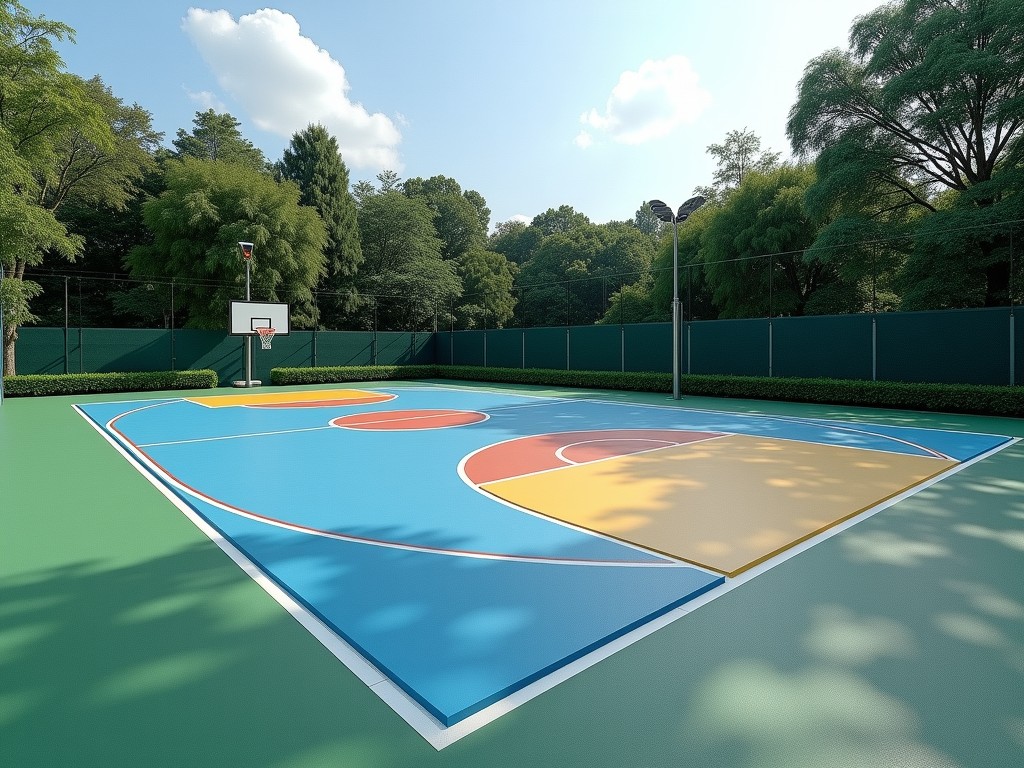
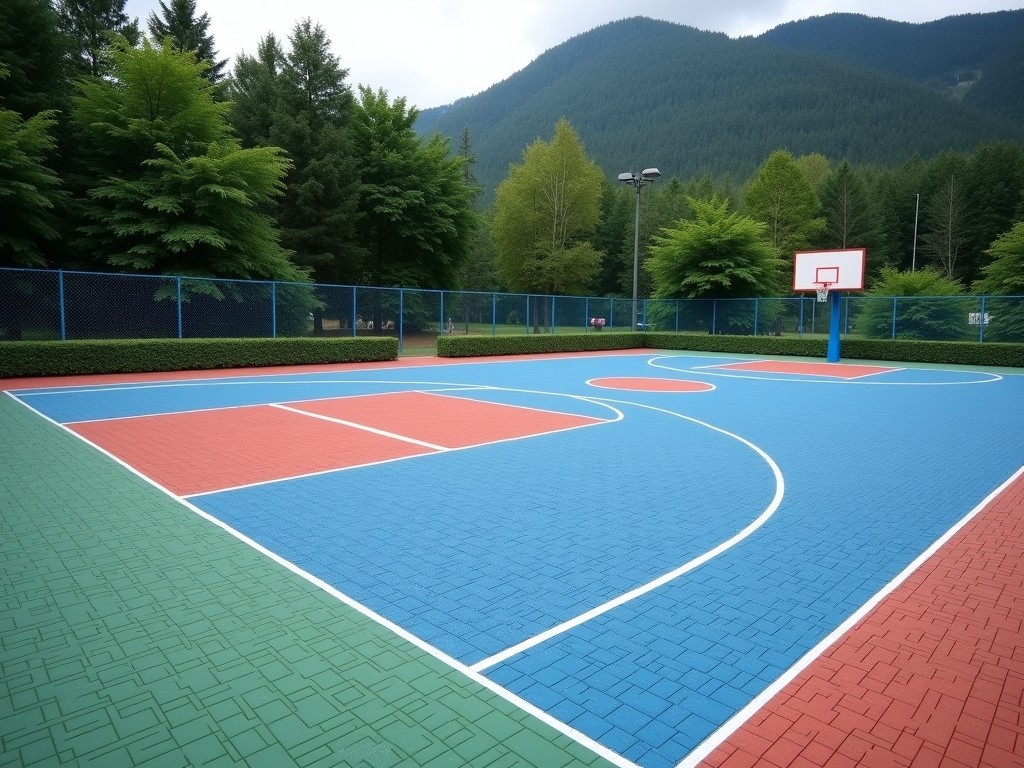
Interlocking tiles are selected for sports facilities where quick turnover is essential, such as temporary tournament courts or multi‑purpose community centers. The modular nature allows damaged sections to be replaced without re‑laying the entire floor, reducing lifecycle cost. In industrial settings, the tiles provide a anti‑fatigue surface for assembly lines while resisting oil and chemical spills.
Quality Control Philosophy
Each production batch undergoes inline dimensional inspection using laser gauges to maintain ±0.2 mm tolerance on interlocking features. Material samples are tested for melt flow index and impact strength before extrusion. Final tiles are subjected to a 500‑cycle load test simulating athletic foot traffic to verify long‑term locking integrity.
Customization Choices
- Color matching to Pantone or RAL standards via custom pigment batches.
- Surface textures: smooth, ribbed, or perforated for drainage.
- Edge reinforcements for heavy‑load zones (e.g., vehicle access points).
FAQ
Can dimensions be customized? Yes, tile length and width can be adjusted in 5 mm increments to suit specific layout requirements.
What information is needed for a quotation? Provide intended application, load conditions, color preference, and required quantity.
How are export shipments protected? Tiles are stacked on pallets with corner protectors and wrapped in UV‑stable stretch film.