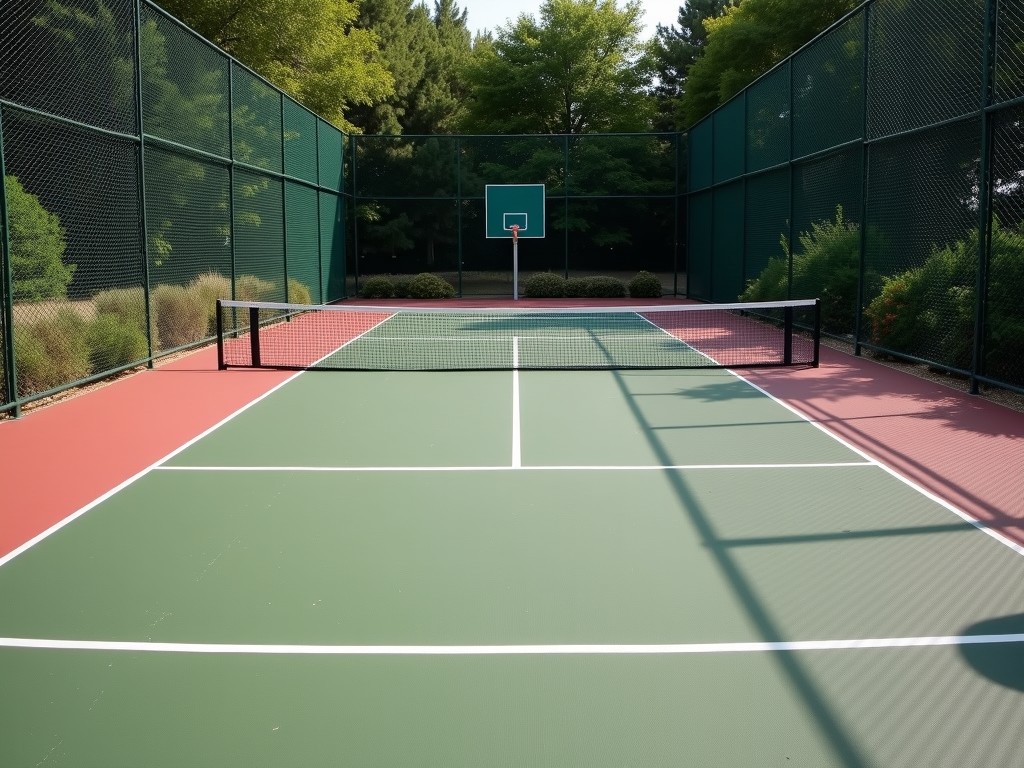
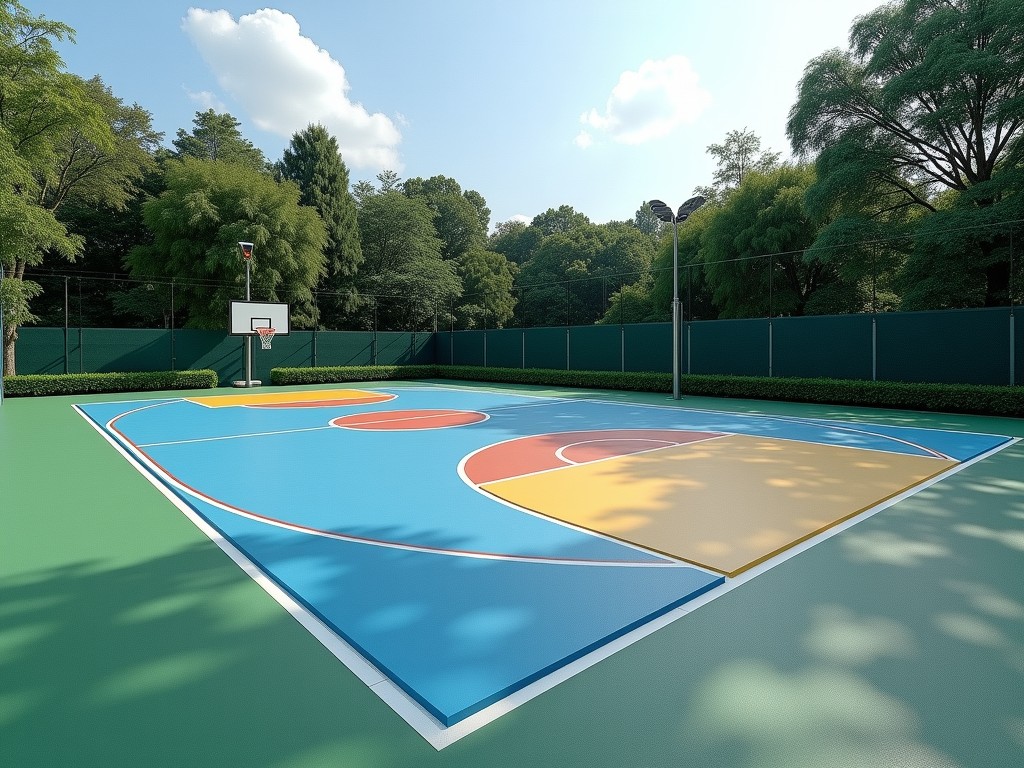
Custom Plastic Basketball Court Tiles Company
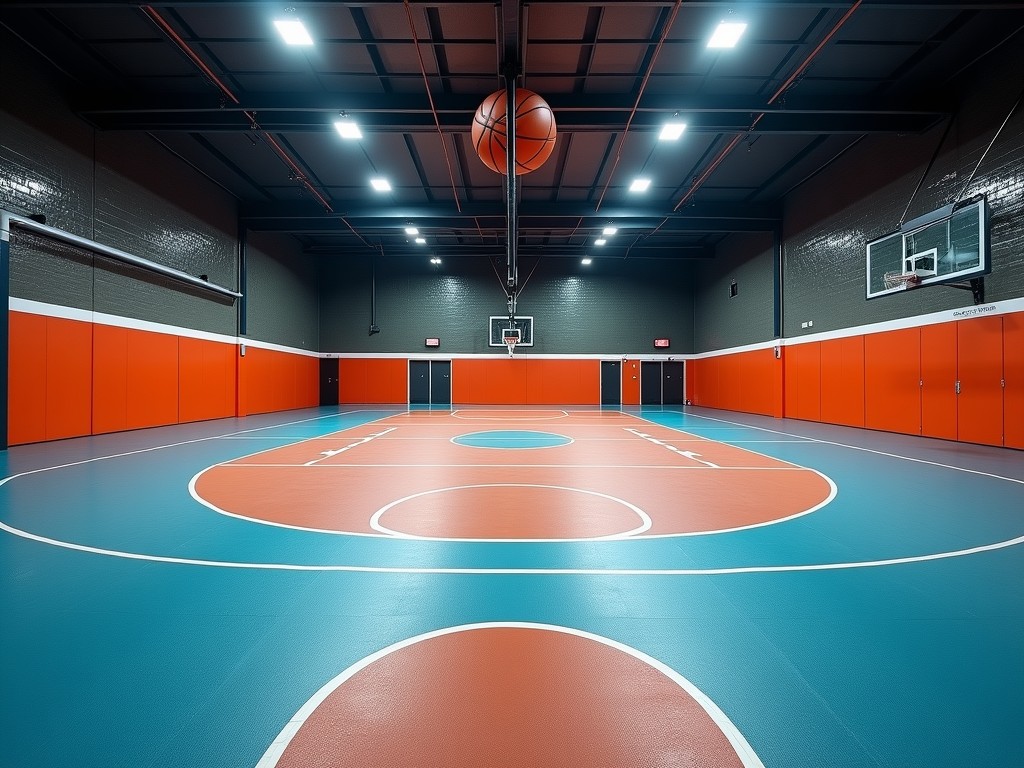
Custom Plastic Basketball Court Tiles Company
Custom Plastic Basketball Court Tiles
The modular tile system enables rapid construction of indoor and outdoor basketball surfaces. Each unit interlocks via a proprietary tongue‑and‑groove edge that accommodates thermal expansion while maintaining a seamless playing plane. Load distribution is engineered to meet ASTM F2772 standards for sports flooring, providing consistent ball rebound and athlete safety.
Material Composition and Structure
Base material consists of high‑density polyethylene (HDPE) blended with UV‑stabilized polypropylene copolymer. Additives include a non‑migrating pigment package for colorfastness and a micro‑filled rubber modifier to enhance impact absorption. The blend yields a flexural modulus of approximately 1.2 GPa and a notched Izod impact strength of 450 J/m. Density is held between 0.94 and 0.96 g/cm³ to balance weight and durability.
Performance Characteristics
| Property | Typical Value | Test Standard |
|---|---|---|
| Nominal thickness | 20 mm | ASTM F1292 |
| Shock absorption (force reduction) | ≥ 45 % | ASTM F2772 |
| Vertical deformation | 0.5 – 0.8 mm | ASTM F2772 |
| Coefficient of friction (wet/dry) | 0.6 – 0.8 | ASTM E303 |
| UV stability (color change after 1500 h) | ΔE < 5 | ISO 4892‑2 |
These values represent typical results from production lots; actual performance can be adjusted through formulation tweaks to meet specific project requirements. The tile’s structural design distributes point loads over a 300 mm radius, limiting localized stress concentrations.
Customization Options
- Panel dimensions: standard 250 mm × 250 mm with optional 500 mm × 500 mm or custom lengths up to 1000 mm.
- Surface texture: smooth, fine‑grain, or anti‑slip rib patterns tailored to ball grip and player traction.
- Color matching: Pantone or RAL references achievable via masterbatch integration.
- Embedded logos or court markings: laser‑etched or in‑mold decals without compromising surface integrity.
- Edge treatments: beveled, chamfered, or radius‑finished for perimeter safety and aesthetic continuity.
Installation Guidance
Tiles are placed on a compacted gravel base or existing concrete slab; a 3 mm polyethylene underlayment provides moisture barrier and acoustic damping. Interlocking edges are tapped with a rubber mallet to achieve full engagement, eliminating the need for adhesives or mechanical fasteners. Expansion gaps of 4 mm per meter are incorporated at perimeter boundaries to accommodate seasonal temperature shifts.
Typical Applications
- Indoor multi‑purpose sports halls requiring rapid reconfiguration for basketball, volleyball, or futsal.
- Outdoor community courts where UV resistance and freeze‑thaw durability reduce maintenance cycles.
- Temporary event surfaces such as tournaments or exhibitions that demand quick assembly and disassembly.
- School and university facilities seeking low‑impact flooring that supports joint health during intensive training.
Quality Assurance
Every production lot undergoes inline melt flow index verification and density checks to confirm material consistency. Finished tiles are sampled for impact resistance and surface hardness; results are logged against statistical process control limits. Final visual inspection verifies color uniformity, edge integrity, and absence of flash or mold defects before packaging.
Packaging and Logistics
Tiles are stacked in layers separated by corrugated cardboard sheets and secured with stretch‑film wrap on pallets rated for 1500 kg. Each pallet includes a humidity indicator strip to monitor moisture exposure during transit. Standard pallet dimensions are 1200 mm × 1000 mm, enabling efficient container loading for both LTL and FCL shipments.
Frequently Asked Questions
Q: Can dimensions be customized?
A: Yes. Panel size, thickness, and edge geometry can be adjusted to match substrate tolerances or design specifications; tooling lead time varies with complexity.
Q: What information is required before quotation?
A: Project area, desired performance class (e.g., shock absorption level), color or logo requirements, substrate condition, and preferred delivery schedule.
Q: How is quality inspected?
A: Inline process controls, mechanical testing per ASTM standards, and final visual audit constitute our quality gate.
Q: What packaging methods are available?
A: Standard palletized stretch‑wrap, optional reusable plastic crates, or custom crating for overseas containerization.