China Waterproof Interlocking Court Floor Tiles Supplier
China Waterproof Interlocking Court Floor Tiles Supplier
Waterproof Interlocking Court Floor Tiles – Supplier Overview
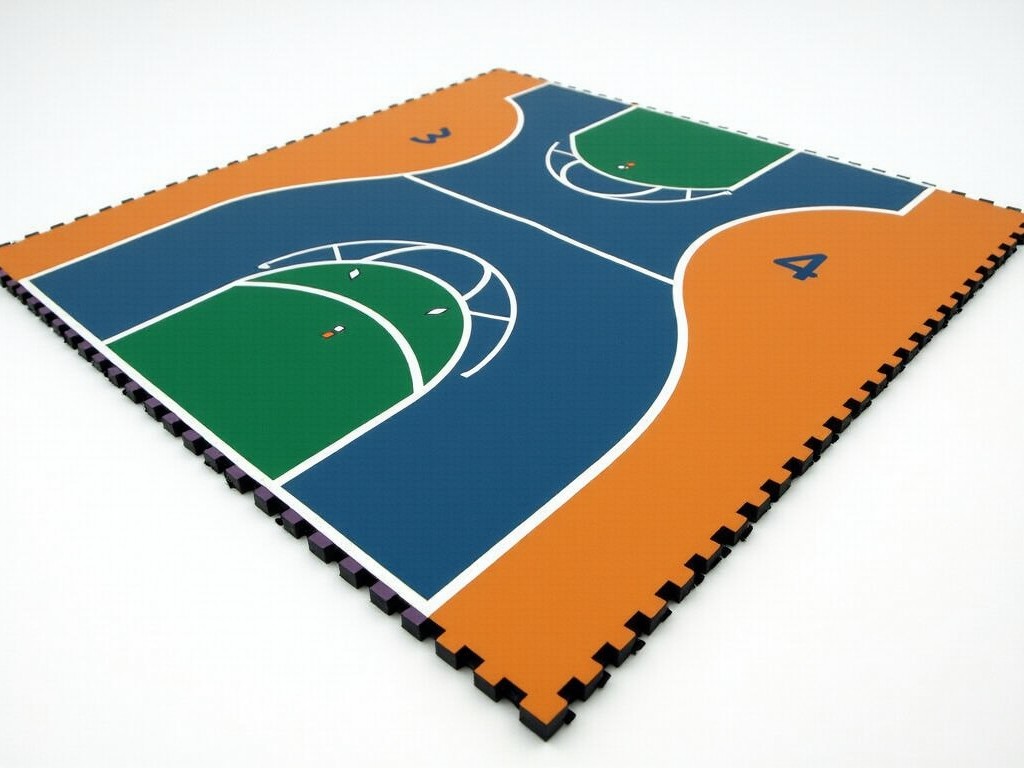
Interlocking court floor tiles are prefabricated modules that lock together to create a uniform playing surface without the need for adhesives or grout. The system allows fast installation over concrete, asphalt, or existing sports flooring, and individual tiles can be lifted for maintenance or replacement.
Material Composition and Waterproof Performance
Typical tiles are manufactured from polyvinyl chloride (PVC) or polypropylene (PP) blends reinforced with calcium carbonate filler. The polymer matrix provides inherent resistance to water ingress, while the filler enhances dimensional stability and reduces thermal expansion.
- Water absorption measured after 24 h immersion is typically below 0.5 % by weight, meeting the requirements of ASTM D570 for low‑absorption plastics.
- The closed‑cell structure prevents capillary water migration, ensuring the tile remains dry even under prolonged exposure to rain or cleaning fluids.
- UV stabilizers are added to the formulation to limit surface degradation, allowing outdoor use with a typical color‑change ΔE < 5 after 500 h of xenon‑arc exposure.
Interlocking Edge Design
Each tile features a male tongue on one pair of opposite edges and a corresponding female groove on the other pair. When pressed together, the interference fit creates a shear‑resistant joint that can transfer loads across the floor without separation.
The typical engagement force required to snap a tile into place ranges from 150 N to 250 N per edge, depending on the material hardness and ambient temperature. Disassembly can be performed with a simple hand tool, applying a leverage force of less than 50 N.
Typical Technical Specifications
| Property | Test Method | Typical Value | Unit |
|---|---|---|---|
| Compressive Strength | ASTM D695 | 2.5 – 3.2 | MPa |
| Flexural Modulus | ASTM D790 | 1.1 – 1.5 | GPa |
| Coefficient of Friction (wet) | ASTM E303 | 0.58 – 0.65 | – |
| Shore A Hardness | ASTM D2240 | 85 – 95 | – |
| Temperature Range (continuous) | ISO 291 | -20 to 60 | °C |
| Tile Thickness (standard) | Internal Caliper | 12 – 20 | mm |
Typical Applications
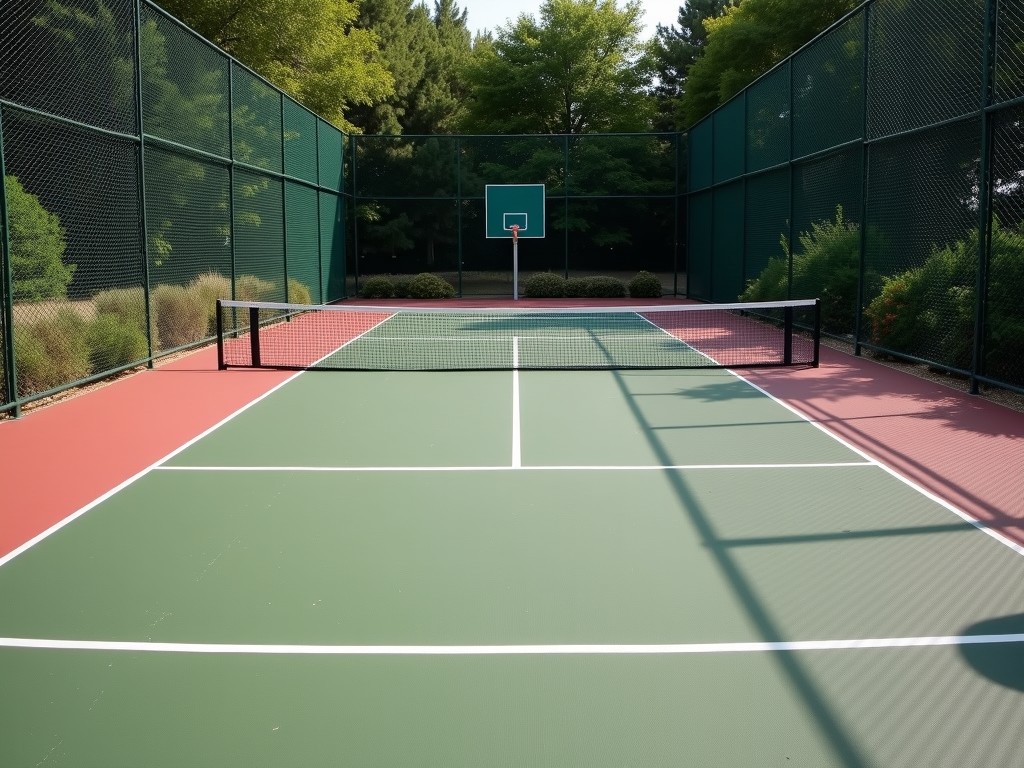
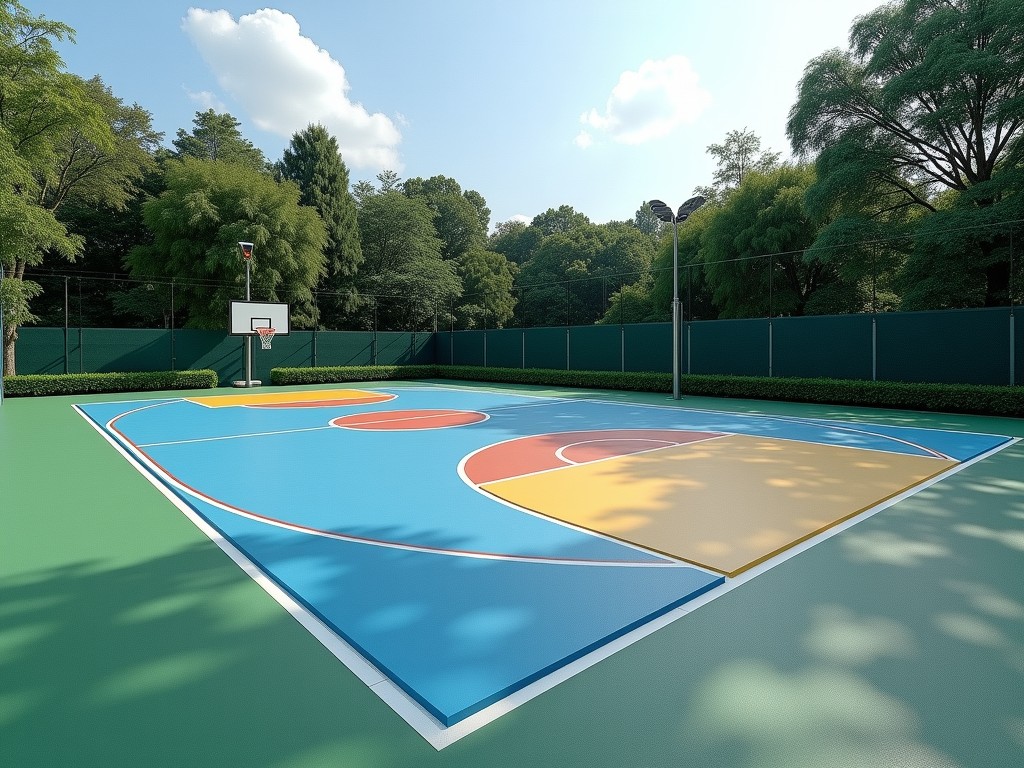
- Indoor and outdoor multi‑purpose sports courts (basketball, volleyball, tennis) where a uniform, slip‑resistant surface is required.
- School playgrounds and recreational areas that need impact‑attenuation and quick drainage after rain.
- Fitness centers and weight‑lifting zones where the floor must withstand heavy point loads and resist chemical spills from cleaning agents.
- Temporary event flooring for exhibitions or concerts, allowing rapid deployment and removal without damaging the substrate.
Installation Procedure
1. Prepare the substrate: ensure it is clean, level, and free of debris; a tolerance of ±3 mm over a 2 m span is recommended.
2. Lay out a reference line using chalk or laser to maintain orthogonal alignment; start from a corner or a fixed reference point.
3. Press the first tile into place, then engage the adjacent tile by applying a perpendicular force along the tongue‑groove edge until the joint clicks.
4. Continue across the area, using a rubber mallet to seat tiles uniformly if needed; avoid excessive force that could deform the interlock.
5. Perimeter tiles can be trimmed with a fine‑tooth saw to fit obstacles; the cut edge retains the interlocking profile on the remaining sides.
Quality Control and Testing
- Dimensional inspection: each tile is measured for length, width, and thickness; tolerance is ±0.5 mm for length/width and ±0.2 mm for thickness.
- Surface hardness verified by Shore A durometer; acceptance range 85‑95.
- Water absorption test per ASTM D570 on random samples; limit ≤0.5 %.
- Slip resistance measured with a pendulum tester; minimum wet coefficient of friction 0.55.
- Visual inspection for surface defects such as bubbles, cracks, or color streaks; any defect exceeding 2 mm² results in rejection.
Customization Possibilities
- Tile dimensions: standard 300 mm × 300 mm, with optional sizes 250 mm × 250 mm or 400 mm × 400 mm upon request.
- Thickness range: 10 mm to 25 mm, selected based on expected load and impact requirements.
- Surface texture: smooth, sand‑finished, or raised‑dot patterns to adjust slip resistance and ball bounce characteristics.
- Color options: solid colors from RAL palette, two‑tone designs, or custom logos printed using UV‑cured inks.
- Edge reinforcement: optional steel or fiberglass inserts for high‑load perimeter areas.
Packaging and Shipment
Tiles are stacked in layers separated by polyethylene sheets to prevent surface abrasion. Each layer contains a fixed number of tiles depending on thickness; a typical pallet holds 400 mm × 400 mm × 2000 mm and weighs approximately 850 kg.
Pallets are stretch‑wrapped and secured with corner protectors. For export, the cargo is placed in ISO‑standard containers with moisture‑absorbing desiccants to maintain humidity below 60 % RH during transit.
Frequently Asked Questions
Can the tile dimensions be customized?
Yes. Length and width can be adjusted in 25 mm increments within the range of 200 mm to 500 mm, subject to tooling availability.
What information is required for a quotation?
Project details such as total area, desired thickness, surface texture, color, and any special load or environmental conditions enable an accurate quote.
Which materials are available?
Standard offerings include PVC‑based compounds and polypropylene blends; alternative elastomeric formulations can be provided upon request.
How is product quality verified before shipment?
Each batch undergoes dimensional, mechanical, and surface‑finish inspections as outlined in the quality‑control section; a test report is available on request.
What is the typical production lead time?
For standard sizes and colors, lead time is generally 2‑3 weeks after receipt of confirmed purchase order; custom colors or textures may extend this period.
Get More Information
To request a detailed quotation, sample tiles, or technical datasheets, please contact our sales team.
Contact Us