Bulk Sport Court Interlocking Tiles For Pickleball Supplier
Bulk Sport Court Interlocking Tiles For Pickleball Supplier
Bulk Sport Court Interlocking Tiles for Pickleball
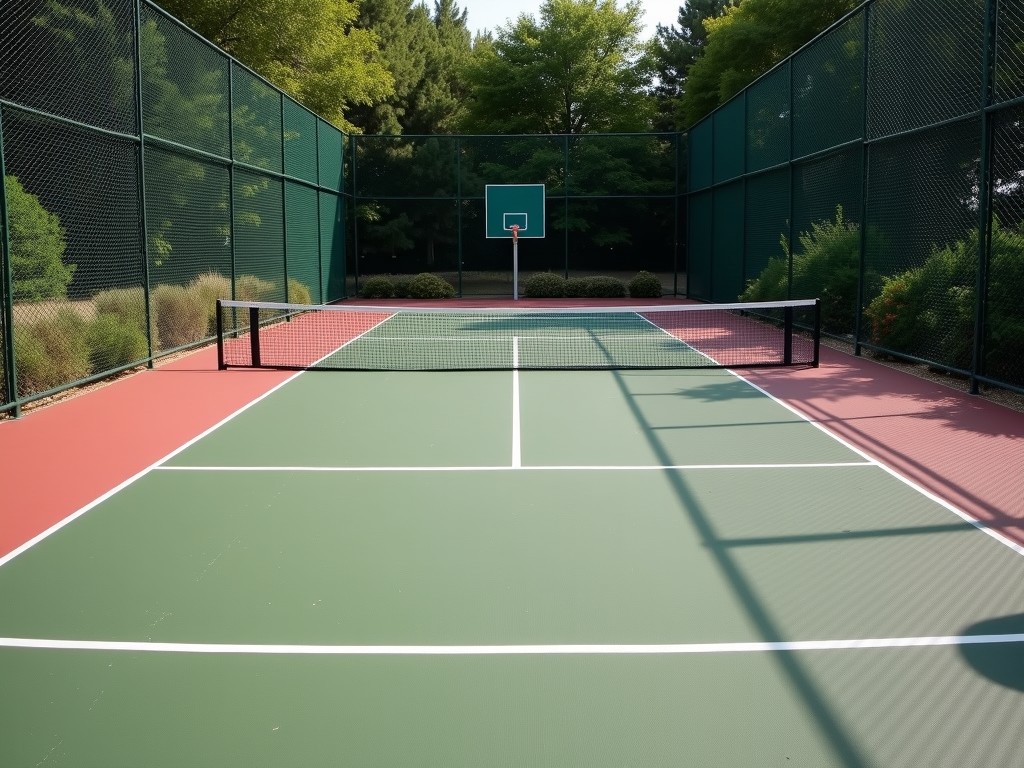
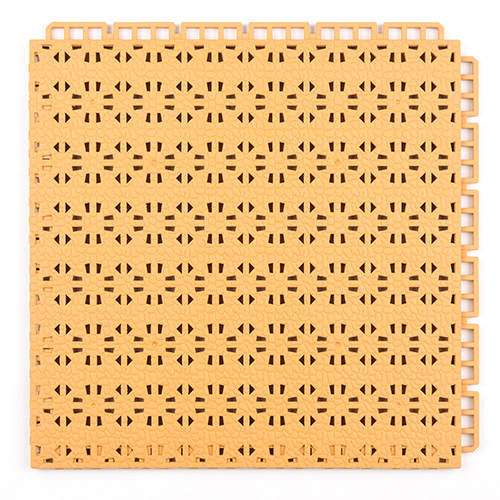
These tiles are engineered to create a permanent, modular playing surface that meets the dimensional and performance requirements of competitive pickleball courts. Each unit measures 300 mm × 300 mm with a nominal thickness of 12 mm, providing a stable platform that resists vertical deformation under repeated impact. The product is supplied in bulk quantities suitable for full‑court installations or phased retrofits.
Material Composition and Properties
The base polymer is a copolymer polypropylene blended with UV stabilizers and antioxidant packages to maintain mechanical integrity after 5 000 hours of simulated sunlight exposure. Melt flow index is 8 g/10 min, allowing consistent injection molding with a shrinkage rate below 0.2 %. Durometer hardness measured on the Shore A scale ranges from 85 to 90, offering a balance between impact absorption and surface rigidity.
Interlocking Mechanism Design
Each tile features a male‑female dovetail profile on all four edges, designed to engage with a shear force of at least 1.5 kN before disengagement. The interlock includes a recessed lip that limits lateral movement to less than 0.5 mm under a 500 N shear load, ensuring joint stability during play. A secondary snap‑fit rib provides an audible click upon full engagement, assisting installers in verifying proper alignment.
Dimensional Specifications and Tolerances
| Property | Typical Value | Unit | Notes |
|---|---|---|---|
| Tile length | 300 | mm | ±0.5 mm |
| Tile width | 300 | mm | ±0.5 mm |
| Thickness | 12 | mm | ±0.3 mm |
| Weight per tile | 0.45 | kg | ±0.02 kg |
| Interlock shear strength | 1.5 | kN | Minimum before disengagement |
Performance Characteristics
The surface coefficient of friction (COF) measured per ASTM F2913 ranges from 0.65 to 0.70 under dry conditions, providing adequate slip resistance for rapid lateral movements. Thermal expansion coefficient is 1.0 × 10⁻⁴ /°C, requiring expansion gaps of 6 mm per 10 m of court length in climates with seasonal temperature swings of ±20 °C. Under a static load of 2 kN distributed over a 100 mm × 100 mm area, vertical deflection remains below 0.2 mm, ensuring consistent ball bounce.
Installation Considerations
A compacted granular base of crushed stone, minimum 100 mm thick with a planar tolerance of ±3 mm, is recommended to prevent differential settlement. Tiles are laid dry, with no adhesives required; a rubber mallet is used to tap each unit into full engagement. Perimeter restraint is achieved using aluminum edge channels anchored to the sub‑base, which accommodate the prescribed expansion gaps.
Applications in Pickleball Facilities
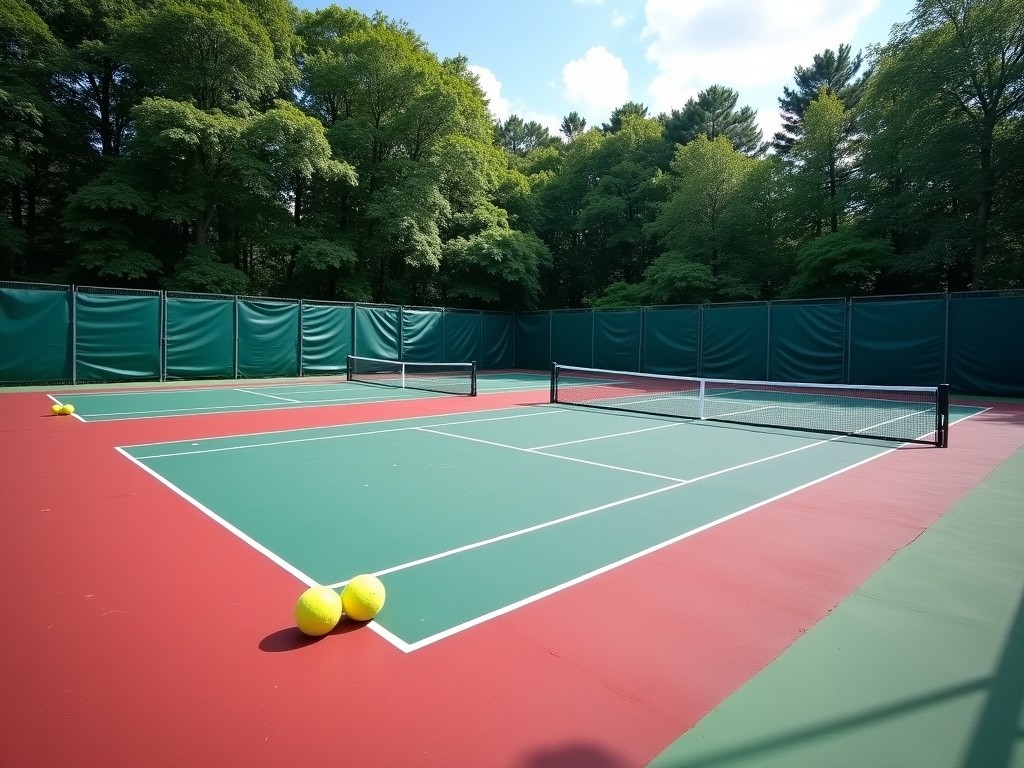
Because the tile system delivers a uniform surface hardness and consistent rebound characteristics, it supports sanctioned tournament play without the need for periodic resurfacing. The modular nature allows damaged sections to be isolated and replaced in under 30 minutes, minimizing downtime. Additionally, the interlocking design prevents seam opening under the cyclic loading typical of pickleball rallies, preserving court integrity over multiple seasons.
Quality Control and Testing
Each production lot undergoes inline dimensional inspection using laser gauges, with a target of 99.5 % of units falling within tolerance bands. Random samples are subjected to accelerated weathering (UV‑B, 0.8 W/m²) for 1 000 hours followed by impact testing per ASTM D2444 to verify retention of flexural strength. Batch records include melt flow, durometer, and dimensional data, traceable to the molding machine and shift.
Customization Options
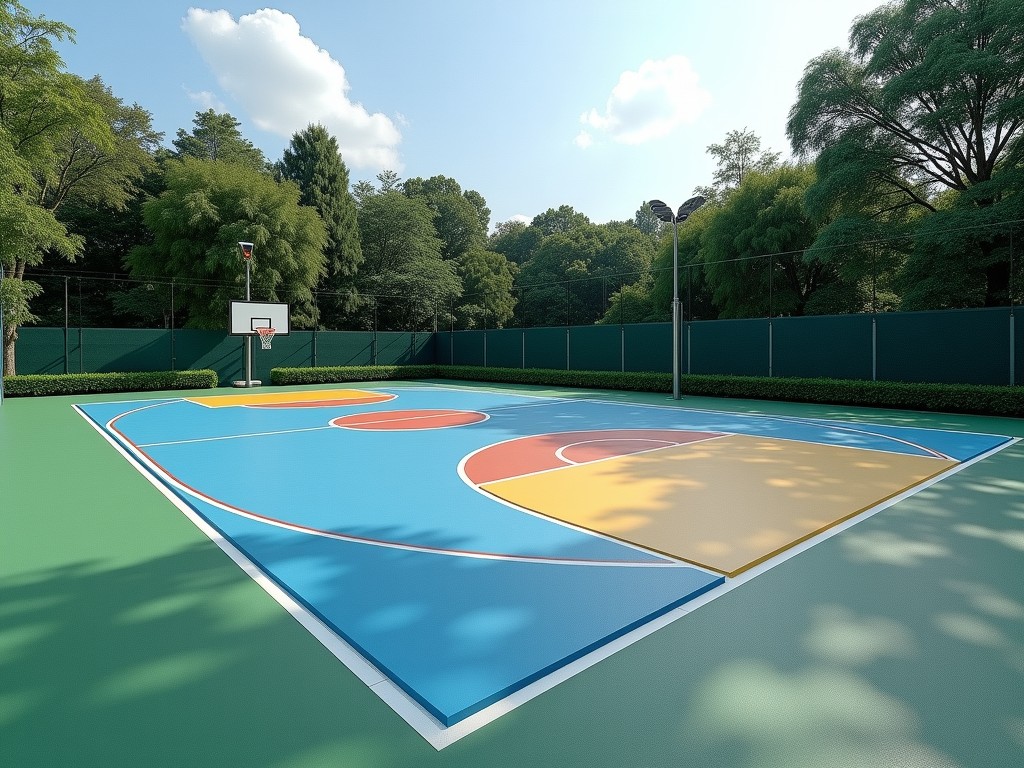
Standard color options include court green, blue, and red, achieved through pigment masterbatches that maintain UV stability. Custom logos or line markings can be embedded via laser etching after molding, providing wear‑resistant graphics that do not affect surface friction. Thickness variants of 10 mm and 15 mm are available upon request for applications requiring different load‑bearing characteristics or cushioning preferences.
Packaging and Logistics
Tiles are stacked in layers separated by recyclable polyethylene sheets, then placed on pallets measuring 1 100 mm × 1 100 mm with a maximum load of 1 200 kg per pallet. Each pallet is stretch‑wrapped and corner‑protected for containerized shipment. A typical 40‑foot container holds approximately 22 pallets, equating to roughly 26 400 tiles, facilitating efficient bulk delivery to regional distributors.
FAQ
- Can tile dimensions be customized for non‑standard court layouts? – Yes, length and width can be adjusted in 50 mm increments subject to tooling availability.
- What information is required before quotation? – Required details include court area, desired thickness, color preference, and any logo or marking specifications.
- How are export shipments protected from moisture? – Pallets are wrapped with a vapor‑barrier film and include desiccant packs inside the outer packaging.
Contact for Quote
For technical data sheets, sample requests, or to discuss project‑specific requirements, please reach out via the contact form.