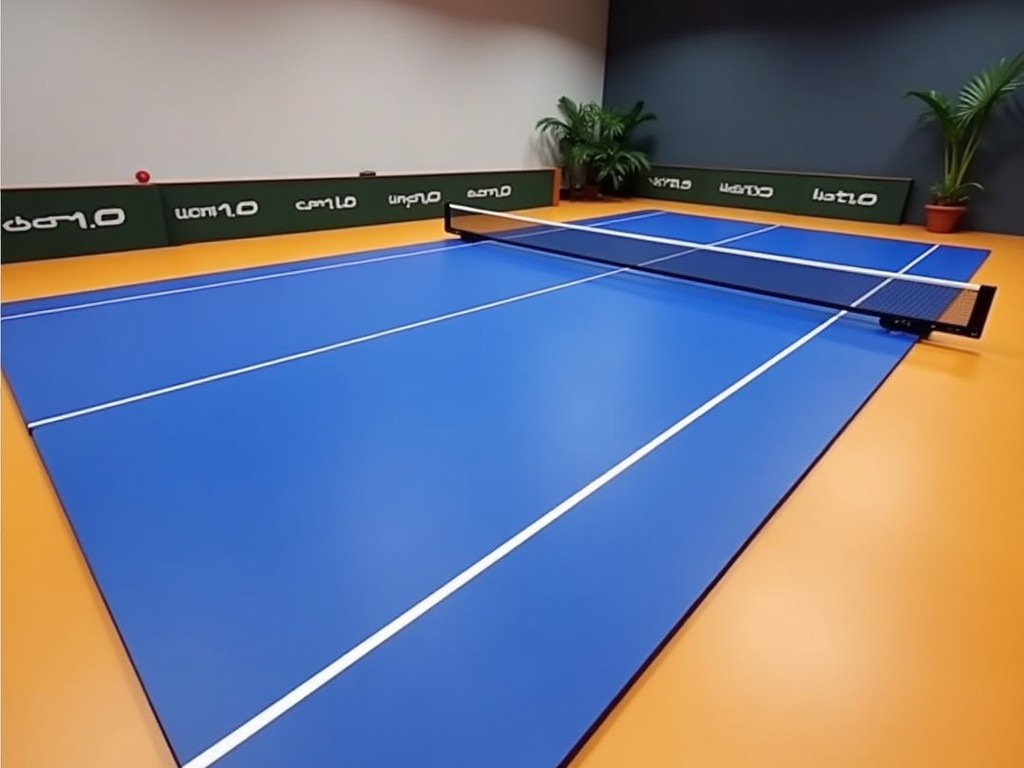
Custom Table Tennis Ping Pong Flooring Supplier
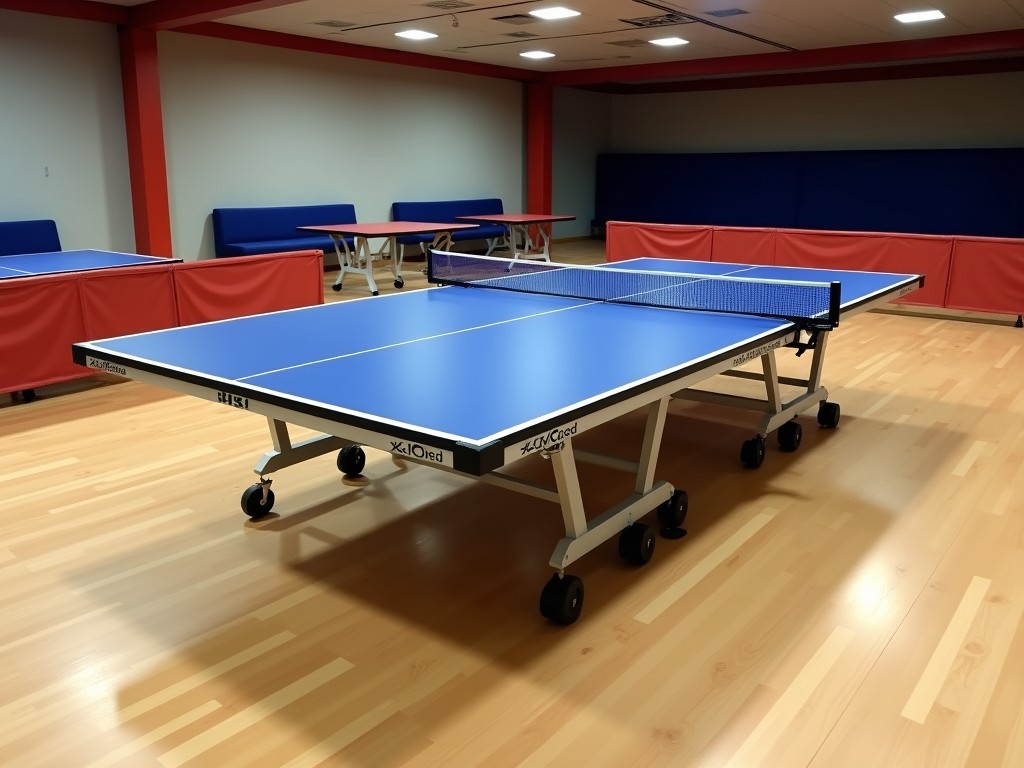
Custom Table Tennis Ping Pong Flooring Supplier
Custom Table Tennis Ping Pong Flooring Supplier
The flooring beneath a table tennis court directly influences ball rebound consistency, player traction, and long‑term surface wear. Facility managers require a material that meets ITTF‑specified bounce while providing slip resistance under rapid lateral movements.
Material Composition and Performance Characteristics
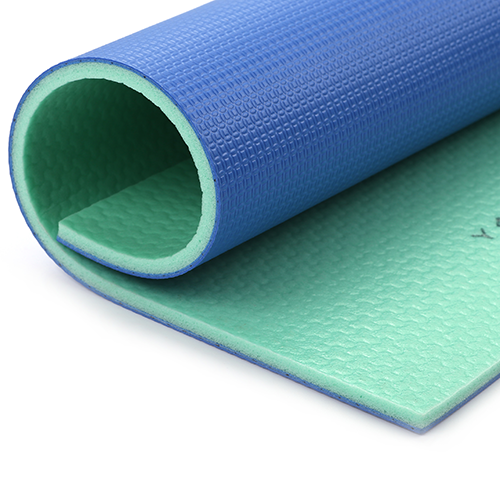
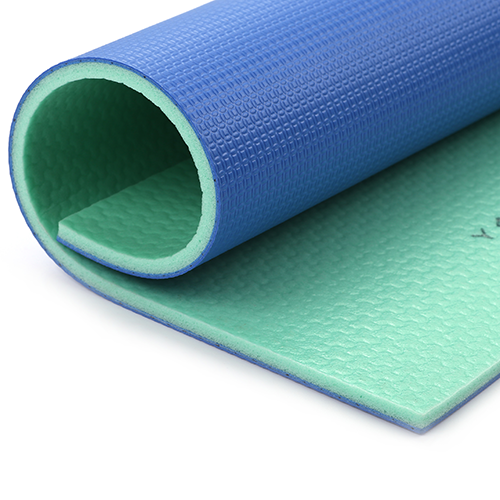
Typical constructions combine a PVC wear layer, a polyurethane foam backing, and a rubber‑granulate core. The wear layer thickness ranges from 0.8 mm to 1.5 mm, providing abrasion resistance measured by Taber wear index < 150 mg/1000 cycles. The foam backing contributes to vertical deformation control, typically 0.5 mm–1.2 mm under a 500 N impact.
Ball rebound is evaluated per ITTF Standard 3‑Star: the flooring returns 95 %–105 % of the standard bounce height when a regulation ball is dropped from 300 mm. The coefficient of friction (dry) falls between 0.60 and 0.80, ensuring adequate grip without excessive shoe wear. Load‑bearing capacity exceeds 5 kN per point load, suitable for permanent installations and portable systems.
Customization Options
- Overall thickness: 5 mm–12 mm in 1 mm increments.
- Surface texture: smooth, fine‑grain, or anti‑slip emboss patterns.
- Color palette: standard RAL colors or custom‑mixed pigments.
- Interlocking edge systems: tongue‑groove, zip‑lock, or adhesive‑free click.
- Logo or line‑art integration via in‑lay printing or laser etching.
Applications and Suitability
Permanent installations in clubs, schools, and training centers benefit from the flooring’s dimensional stability under constant temperature fluctuations (–10 °C to 40 °C). Portable tournament systems rely on the low‑mass interlocking panels, which can be assembled and disassembled within 30 minutes per 16 m² court while maintaining ITTF‑compliant bounce.
Multi‑purpose halls that host badminton, volleyball, or recreational activities select this surface because its wear layer resists scuffing from diverse shoe soles and its shock‑absorption reduces joint stress during prolonged play.
Quality Control and Testing Philosophy
Each production lot undergoes inline thickness gauging (±0.1 mm) and Shore A hardness verification (target 75 ± 5). Finished panels are sampled for ball rebound using a calibrated drop‑test rig, with results logged against the ITTF 3‑Star reference.
Abrasion resistance is assessed via Taber abraser (CS‑10 wheels, 500 g load) and reported as weight loss. Additionally, slip resistance is measured with a pendulum tester (wet and dry conditions) to confirm a minimum British Pendulum Number of 45. All test data are retained for traceability and supplied upon request.
Technical Specifications
| Property | Standard / Reference | Typical Value | Customizable Range |
|---|---|---|---|
| Overall Thickness | – | 8 mm | 5 mm–12 mm |
| Wear Layer Thickness | – | 1.0 mm | 0.8 mm–1.5 mm |
| Ball Rebound (ITTF 3‑Star) | ITTF Standard | 100 % ± 3 % | 95 %–105 % |
| Coefficient of Friction (dry) | ASTM D2047 | 0.68 | 0.60–0.80 |
| Vertical Deformation @ 500 N | EN 14904 | 0.9 mm | 0.5 mm–1.2 mm |
| Abrasion Loss (Taber) | ASTM D4060 | 120 mg/1000 cycles | < 150 mg/1000 cycles |
| Slip Resistance (BPN) | Pendulum Test (wet) | 48 | ≥ 45 |
Frequently Asked Questions
Can the thickness be adjusted for different sub‑floor conditions?
Yes. Thickness is selected based on sub‑floor rigidity and desired shock‑absorption; options range from 5 mm for existing hard surfaces to 12 mm for installations requiring additional cushioning.
What information is needed to obtain a quotation?
Please provide court dimensions, preferred thickness, surface texture, color, edge system, and any logo or line‑art requirements. Delivery location and desired lead time also affect pricing.
How are the panels protected during export shipment?
Panels are stacked flat, separated by polyethylene sheets, and secured within wooden crates or palletized with stretch‑wrap. Corner protectors and moisture‑barrier bags are added for long‑haul transport.
What is the typical production lead time?
For standard colors and textures, lead time is 3–4 weeks after receipt of approved artwork and deposit. Custom colors or special logos may extend lead time by 1–2 weeks.
To discuss your specific project or request a sample panel, please use the contact form below or reach out directly.
Request Quote & Technical Consultation