
Wholesale Anti Static Pvc Vinyl Flooring Supplier
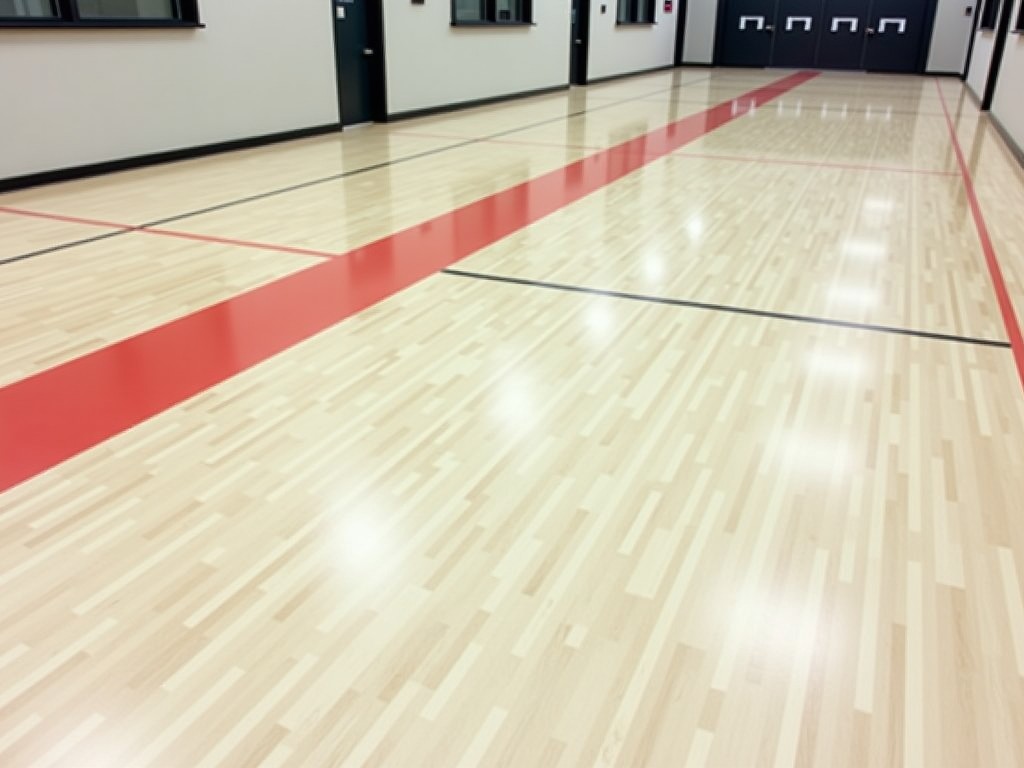
Wholesale Anti Static Pvc Vinyl Flooring Supplier
Wholesale Anti‑Static PVC Vinyl Flooring
Introduction
Anti‑static PVC vinyl flooring combines a polyvinyl chloride matrix with conductive additives to dissipate electrostatic charges, protecting sensitive electronics in environments such as clean rooms, data centers, and semiconductor fabs.
The product is supplied in roll or tile format, allowing seamless installation over concrete, raised access floors, or existing substrates.
Technical Specifications
| Property | Typical Value | Test Standard |
|---|---|---|
| Total thickness | 2.0 mm – 3.0 mm (customizable) | ISO 24346 |
| Wear layer thickness | 0.5 mm | ISO 24340 |
| Surface resistivity | 10⁶ – 10⁹ Ω (antistatic range) | ASTM F150 |
| Static decay time | < 0.5 s from 5000 V to 0 V | FTMS 101C |
| Chemical resistance | Resistant to oils, solvents, mild acids/bases | ISO 26987 |
| Fire rating | Bfl‑s1 (EN 13501‑1) | EN 13501‑1 |
Material Composition
The flooring consists of a PVC base resin blended with plasticizers, stabilizers, and a uniformly dispersed conductive network of carbon‑black or metallic particles.
A transparent wear layer of UV‑coated PVC provides abrasion resistance while preserving the underlying antistatic properties.
Optional backing layers include fiberglass reinforcement for dimensional stability and a foam underlay for acoustic comfort.
Key Performance Characteristics
- Consistent surface resistivity across the entire sheet, preventing localized charge buildup.
- High abrasion resistance suitable for cart traffic and footfall in 24/7 facilities.
- Low VOC emissions, meeting indoor air quality standards for cleanrooms.
- Dimensional stability under temperature fluctuations (±0.1 % change).
- Easy maintenance with neutral pH cleaners; no waxing required.
Typical Applications
The antistatic property is essential where electrostatic discharge (ESD) could damage electronic components, ignite flammable vapors, or interfere with measurement equipment.
- Semiconductor wafer fabrication – protects photolithography tools.
- Data centers – safeguards servers and networking hardware.
- Electronic assembly lines – prevents ESD defects on PCBs.
- Pharmaceutical cleanrooms – eliminates static attraction of particulates.
- Aerospace manufacturing – avionic test benches.
Installation Guidelines
Substrate must be clean, dry, and level; moisture content of concrete should not exceed 75 % RH.
Adhesive selection: conductive acrylic or epoxy adhesives that maintain the flooring’s resistivity.
Seams are heat‑welded or sealed with conductive tape to preserve continuity of the antistatic layer.
After installation, a point‑to‑point resistance test verifies compliance with the specified range.
Quality Assurance
Each batch undergoes inline thickness gauging and surface resistivity scanning; statistical process control ensures < 2 % deviation.
Finished rolls are inspected for visual defects, edge straightness, and dimensional tolerance before packaging.
Documentation includes material safety data sheets (MSDS), test reports, and a traceability label with lot number.
Customization Options
Thickness, wear‑layer depth, and conductive filler loading can be adjusted to meet specific ESD targets or mechanical loads.
- Width: 1 m – 2 m (roll) or 300 mm × 300 mm tiles.
- Color palette: solid greys, blues, greens; custom color matching available.
- Surface finish: matte, low‑gloss, or textured for slip resistance.
- Edge profile: straight, beveled, or with integrated conductive strips.
- Optional antimicrobial additive for hygienic environments.
Packaging & Logistics
Rolls are wound on rigid cores, wrapped in polyethylene film, and placed on pallets with corner protectors.
Tiles are stacked in corrugated cartons with interleaving sheets to prevent surface abrasion.
Each pallet is labeled with product code, batch number, and handling instructions; export shipments include moisture‑barrier liners.
Frequently Asked Questions
Can dimensions be customized?
Yes. Width, length, thickness, and tile size are adjustable according to project specifications; tooling fees may apply for non‑standard widths.
What information is required before quotation?
Project area, desired thickness, wear‑layer preference, color or finish, required resistivity range, and any backing or antimicrobial additives.
How is quality inspected?
Inline thickness gauging, four‑point probe resistivity testing, visual inspection, and adhesion testing of wear layer to substrate.
What packaging methods are available?
Rolls on cores with PE wrap, palletized; tiles in cartons with interleaving; custom packaging upon request.
What is the typical production lead time?
Standard items ship within 2–3 weeks; customized orders typically require 4–6 weeks, depending on complexity.
Contact for Inquiry
For technical data sheets, samples, or a formal quotation, please reach out to our sales engineering team.
Request a Quote
