Factory Direct Pvc Vinyl Sports Flooring Roll Supplier
Factory Direct Pvc Vinyl Sports Flooring Roll Supplier
Factory Direct PVC Vinyl Sports Flooring Roll
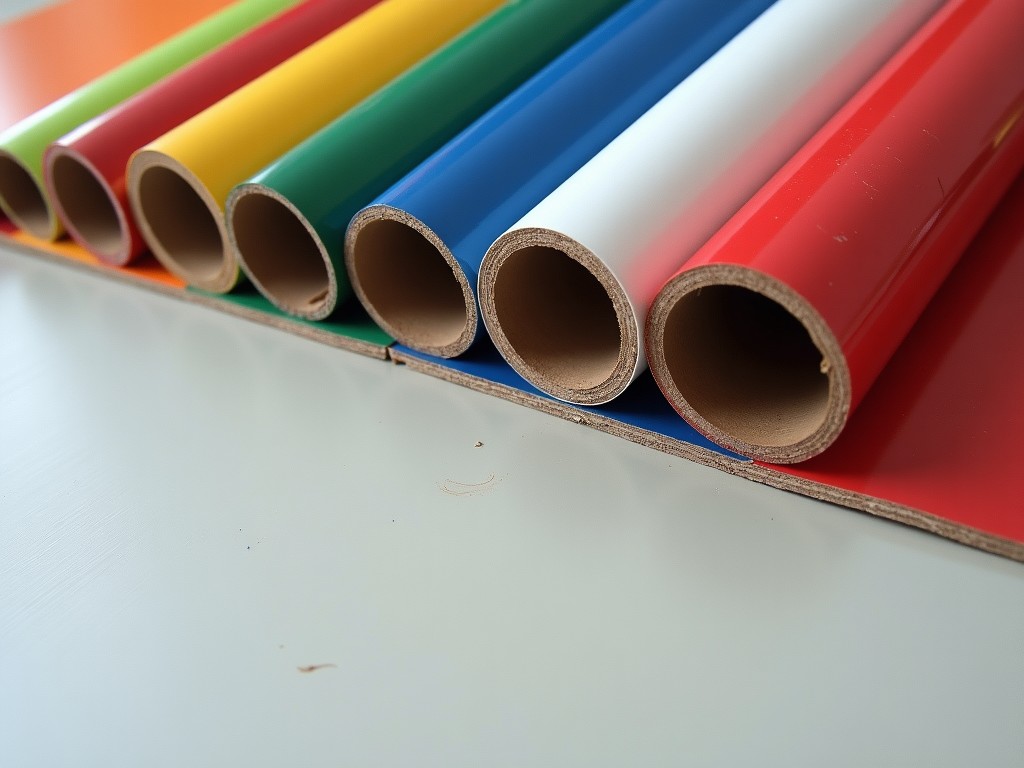
PVC vinyl sports flooring rolls consist of a calendered polyvinyl chloride core laminated with a wear‑resistant surface layer. Typical total thickness ranges from 2.0 mm to 5.0 mm, with a wear layer thickness between 0.5 mm and 1.0 mm. The product is supplied in continuous rolls, enabling seamless installation over large areas.
Performance Characteristics
Performance is quantified by force reduction (shock absorption) measured according to EN 14904, with values typically between 25 % and 45 % for multi‑use sports surfaces. Slip resistance is evaluated via the pendulum test, yielding a slip resistance value (SRV) of ≥ 45 under wet conditions, meeting the requirements for indoor athletic facilities.
Dimensional stability is expressed through the coefficient of linear thermal expansion, approximately 5 × 10⁻⁵ / °C for PVC, ensuring minimal expansion or contraction under temperature variations encountered in indoor environments. The product exhibits a compressive strength of at least 1.5 MPa, verified by ASTM D695.
Roll widths are commonly available from 1.0 m to 2.0 m, with lengths customized to project needs, often up to 30 m per roll to reduce seams. Surface weight varies from 2.5 kg/m² to 4.0 kg/m² depending on thickness and backing, facilitating handling with standard roll‑handling equipment.
Typical Applications
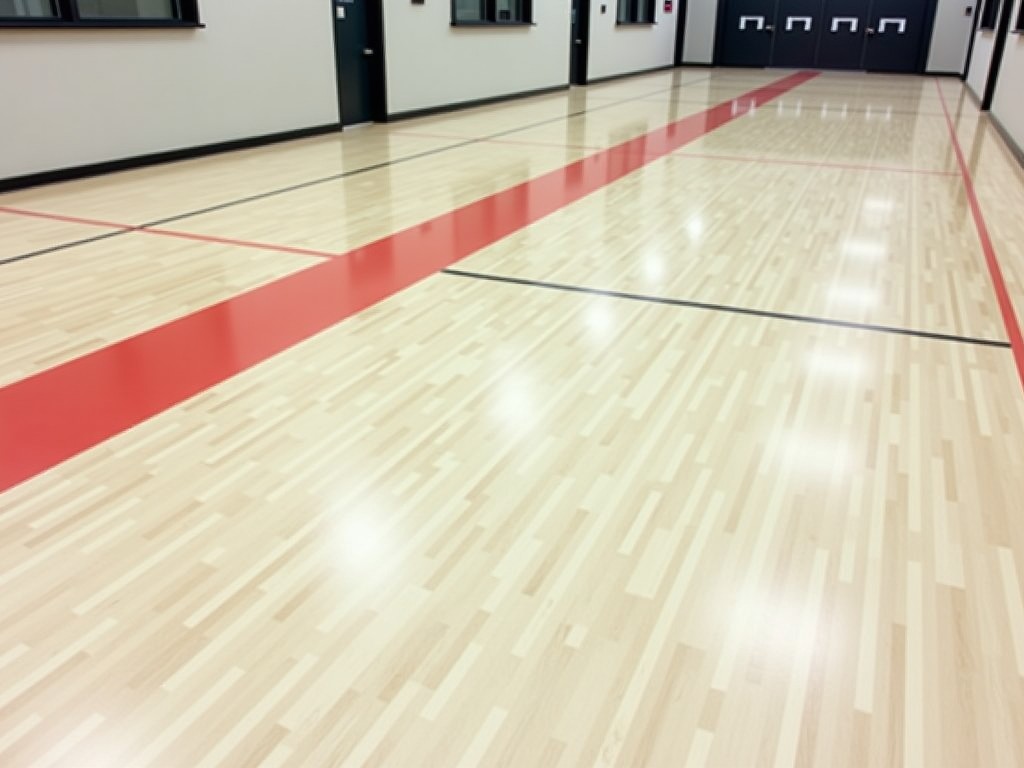
In multipurpose courts, the flooring provides consistent ball rebound and adequate shock absorption to reduce joint stress during basketball, volleyball, and badminton play. Fitness centers benefit from the surface’s resistance to impact from dropped weights and its ease of cleaning, which supports hygiene standards. The low‑profile installation also accommodates retractable seating systems without altering floor elevation.
Customization Options
Customers can specify roll width, length, and overall thickness to match substrate preparation and performance targets. Surface finishes range from smooth to embossed patterns that enhance slip resistance and visual appeal. Backing options include a non‑woven polyester layer for added dimensional stability or a foam backing for increased cushioning.
Technical Specifications
| Property | Typical Value | Unit | Test Standard |
|---|---|---|---|
| Total Thickness | 2.0 – 5.0 | mm | ISO 24346 |
| Wear Layer Thickness | 0.5 – 1.0 | mm | ISO 24340 |
| Force Reduction | 25 – 45 | % | EN 14904 |
| Slip Resistance (SRV) | ≥ 45 | – | EN 13036‑4 |
| Compressive Strength | ≥ 1.5 | MPa | ASTM D695 |
| Dimensional Change (24 h @ 40 °C) | ≤ 0.2 | % | ISO 23999 |
| Surface Weight | 2.5 – 4.0 | kg/m² | ISO 23997 |
Quality Control
In‑line monitoring uses laser thickness gauges to maintain thickness tolerance within ± 0.1 mm across the roll length. Each batch undergoes wear‑layer adhesion testing per ISO 2409, with a minimum peel strength of 1.2 N/mm required for release. Final inspection includes a random sample check for color uniformity (ΔE < 2) and surface roughness (Ra) measured by profilometer.
Frequently Asked Questions
- Can dimensions be customized? Yes, roll width, length, and total thickness are adjustable to project specifications.
- What information is required before quotation? Required details include desired dimensions, surface finish, backing type, quantity, and delivery location.
- How is quality inspected? Quality is verified through inline thickness monitoring, adhesion testing, and final sample checks for color and roughness.
- What packaging methods are available? Rolls are wrapped in protective polyethylene film, placed on pallets, and secured with strapping for transport.