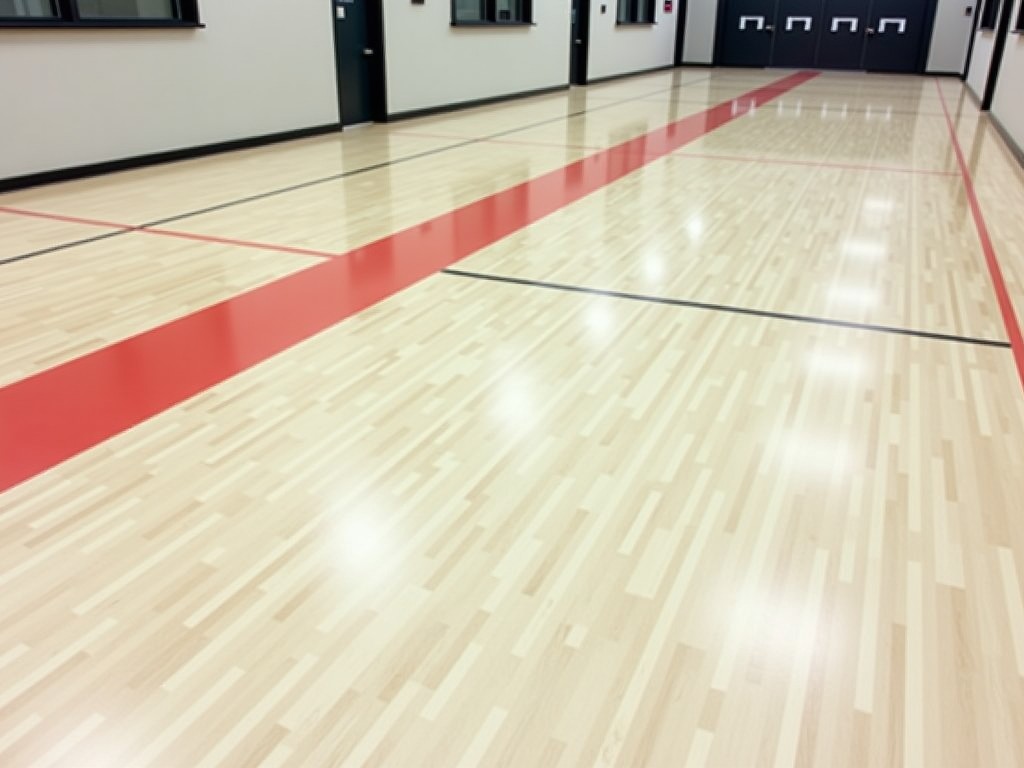
Custom Non Slip Padded Vinyl Sports Flooring Company
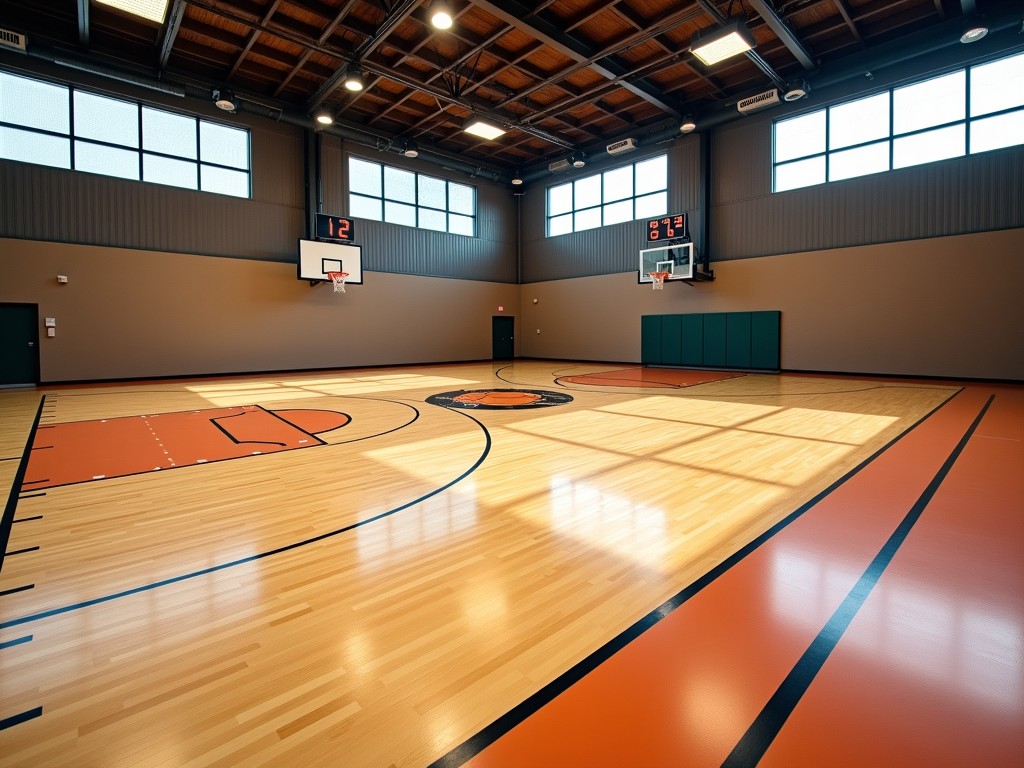
Custom Non Slip Padded Vinyl Sports Flooring Company
Custom Non Slip Padded Vinyl Sports Flooring
This flooring system combines a wear‑resistant polyvinyl chloride top layer with a closed‑cell foam backing to deliver a uniform surface that resists slipping while absorbing impact energy generated during athletic movements.
Material Composition and Structure
The wear layer is typically 0.8 mm to 1.2 mm thick, formulated with plasticizers and UV stabilizers for flexibility and long‑term color stability. Beneath it lies a foam core whose density ranges from 30 kg/m³ to 55 kg/m³, providing the cushioning layer. A stabilizing backing of woven polyester or PVC‑coated fabric prevents delamination and adds dimensional stability.
Slip Resistance and Safety Performance
Slip resistance is quantified by the static coefficient of friction (SCOF) measured per ASTM F2913. The flooring consistently achieves SCOF values of 0.60 – 0.75 under both dry and wet conditions, exceeding the minimum 0.50 threshold recommended for sports surfaces. This range is obtained through a textured emboss pattern on the vinyl surface that channels water away from the contact area.
Impact Attenuation and Shock Absorption
Impact attenuation is evaluated using the G‑max metric from ASTM F355. The foam core reduces peak deceleration to G‑max values typically between 130 g and 180 g for a 4.5 kg impactor, well below the 200 g limit for high‑impact sports. Thicker foam (10 mm – 15 mm) yields lower G‑max, while thinner options (6 mm – 8 mm) suit activities requiring firmer footing.
Customization Options
- Wear layer thickness: 0.8 mm – 1.5 mm (in 0.1 mm increments)
- Foam core thickness: 6 mm – 20 mm
- Color: solid, speckled, or custom Pantone matches
- Surface emboss: fine grain, medium grit, or logo‑specific pattern
- Edge treatment: straight, beveled, or tapered for seamless transitions
- Optional surface printing for court lines or branding
Typical Applications and Rationale
Facilities that host multiple sport types benefit from a consistent coefficient of friction across basketball, volleyball, and futsal, reducing the need for surface‑specific footwear. Dance studios require a smooth yet slightly forgiving surface to protect joints during pivots and jumps; the foam core provides controlled deflection without excessive bounce. Rehabilitation centers value the combination of slip resistance and impact attenuation for safe gait training and low‑impact exercise.
Quality Control and Testing Philosophy
Raw material lots undergo melt flow index and tensile strength verification before extrusion. Inline laser gauges monitor wear layer thickness and foam density at 5 cm intervals, triggering automatic adjustments if deviations exceed ±5 %. Finished rolls are sampled for COF and G‑max per the cited standards; batches are released only when both metrics fall within the predefined windows. Additionally, accelerated aging (UV‑B exposure 1500 h) confirms color stability ΔE < 3.
| Property | Test Method | Typical Range | Customizable? |
|---|---|---|---|
| Wear Layer Thickness | ASTM D412 | 0.8 mm – 1.5 mm | Yes |
| Total Thickness | Caliper Measurement | 8 mm – 22 mm | Yes |
| Foam Density | ASTM D3575 | 30 kg/m³ – 55 kg/m³ | Yes |
| Static Coefficient of Friction (SCOF) | ASTM F2913 | 0.60 – 0.75 | No (surface texture fixed) |
| G‑max (Impact Attenuation) | ASTM F355 | 130 g – 180 g | Yes (via foam thickness) |
| UV Stability (Xenon Arc) | ASTM G155 | 1500 h, ΔE < 3 | Yes (additive level) |
| Chemical Resistance (Disinfectants) | ISO 2812‑1 | No swelling, no delamination | Yes (formulation tweak) |
Installation and Subfloor Requirements
A smooth, clean, and dry substrate is essential; moisture vapor transmission rates should not exceed 3 lb/1000 ft²/24 h. The flooring can be adhered with a pressure‑sensitive acrylic adhesive compatible with PVC, or loose‑laid with double‑sided tape for temporary installations. Seams are sealed using heat‑welding rods or PVC‑compatible seam tape to prevent moisture ingress and maintain uniform performance across the installation area.
Environmental Resistance and Longevity
UV stabilizers in the wear layer protect against yellowing and embrittlement when exposed to sunlight through skylights or windows. The closed‑cell foam resists water absorption, limiting the risk of mold or mildew growth. Under normal indoor conditions, the product retains >80 % of its original COF and G‑max values after five years of regular maintenance, which includes routine cleaning with neutral pH detergents and periodic buffing of the surface texture.
Frequently Asked Questions
- Can the thickness be customized for specific sports? Yes, both wear layer and foam core thicknesses can be adjusted within the ranges listed in the specification table to tune slip resistance and shock absorption for activities such as basketball, wrestling, or multipurpose training.
- What information is required before a quotation? We need the desired total thickness, wear layer thickness, color or pattern preference, total area (square meters), and any special requirements such as logo printing or edge treatment.
- Which backing options are available? Standard backing is a woven polyester scrim coated with PVC for dimensional stability; an optional moisture‑barrier backing (polyethylene film) can be added for below‑grade installations.
- How is slip resistance measured and verified? Each lot is tested using the ASTM F2913 pendulum method under both dry and wet conditions; results are included in the material data sheet supplied with every shipment.
- What is the typical production lead time? Standard lead time is 3‑4 weeks after receipt of final artwork and confirmation of specifications; expedited schedules are available for urgent projects.
- How are rolls packaged for transport? Rolls are wound on a rigid core, wrapped in polyethylene shrink film, and placed on pallets with corner protectors to prevent edge damage during transit.