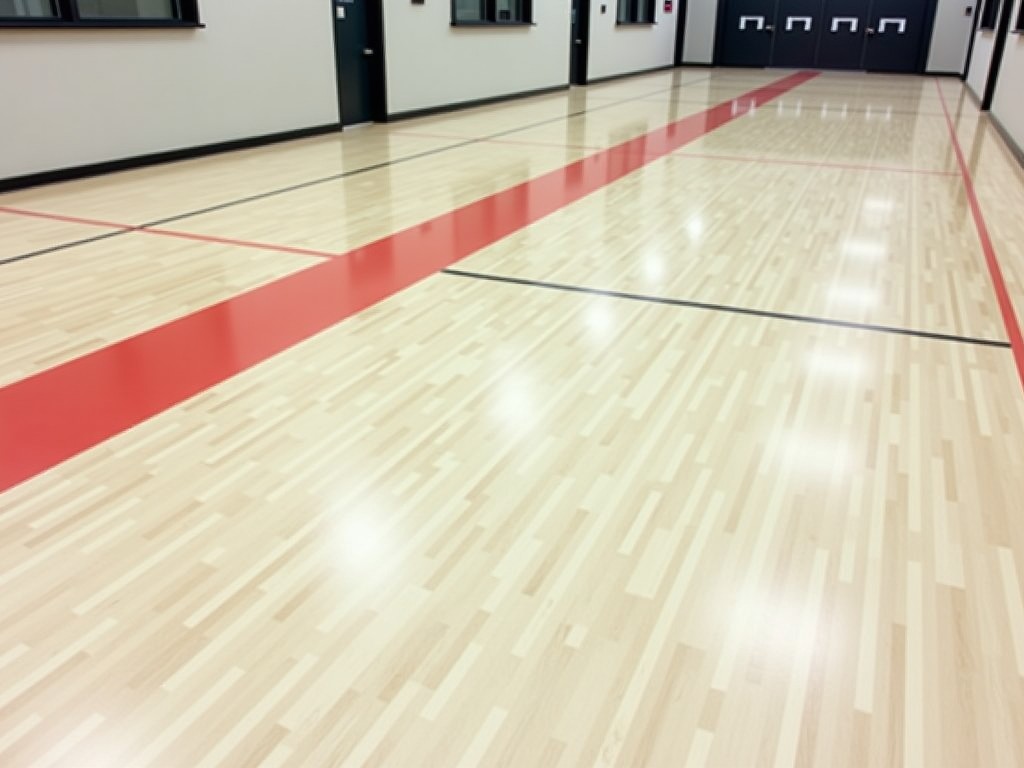
China Futsal Pvc Vinyl Sports Flooring Supplier
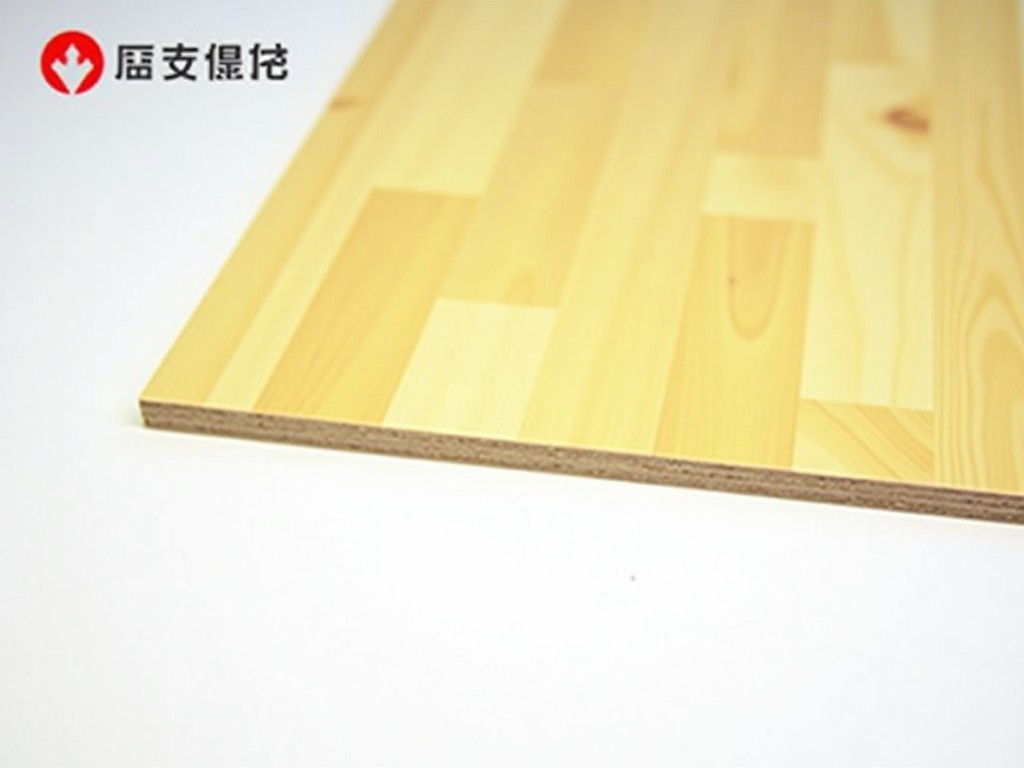
China Futsal Pvc Vinyl Sports Flooring Supplier
China Futsal PVC Vinyl Sports Flooring Supplier
Futsal courts require a surface that balances ball roll, player traction, and impact attenuation. PVC vinyl sports flooring engineered for futsal provides a homogeneous wear layer over a foam backing to meet these functional requirements.
Product Overview
A calendered PVC top sheet forms the wear surface, bonded to a closed‑cell foam underlayer.
Overall thickness ranges from 3 mm to 6 mm to suit various sub‑floor conditions.
Standard roll widths of 1.5 m or 2 m enable rapid coverage of large court areas.
Material Composition and Construction
Virgin PVC resin blended with plasticizers, stabilizers, and pigments creates the wear layer, targeting a Shore A hardness of 85 ± 5.
Expanded polyethylene foam, density approximately 30 kg/m³, provides the backing layer for shock attenuation.
Technical Specifications
Key performance indicators are measured according to EN 14904 and related indoor sports floor standards.
Typical values are presented below; actual specifications can be adjusted to match project requirements.
| Property | Typical Value | Test Method |
|---|---|---|
| Overall thickness | 3 mm – 6 mm | ISO 24346 |
| Wear‑layer thickness | 0.5 mm – 1.0 mm | ISO 24340 |
| Shore A hardness | 85 ± 5 | ISO 868 |
| Coefficient of friction (dry) | 0.6 – 0.8 | EN 13036‑4 |
| Coefficient of friction (wet) | >0.5 | EN 13036‑4 |
| Vertical deformation | <0.5 mm | EN 14809 |
| Abrasion resistance | ≤150 mg loss (1000 cycles) | ISO 5470‑1 |
| Dimensional stability (heat ageing) | <0.2 % | ISO 23999 |
| Fire rating | Bfl‑s1 (EN 13501‑1) | EN 13501‑1 |
Installation Guidelines
Installation begins with substrate preparation: the base must be flat, dry, and free of contaminants, with tolerance not exceeding 3 mm over a 2 m straightedge.
Rolls are unrolled, allowed to acclimate for 24 h at ambient temperature, then adhered using a solvent‑free polyurethane adhesive applied at 200 g/m².
Seams are heat‑welded with a PVC welding rod to create a continuous surface.
Typical Applications
Futsal demands a surface with a controlled ball rebound (elasticity modulus ~0.8 MPa) and sufficient slip resistance to support rapid direction changes.
The PVC vinyl construction delivers a uniform friction coefficient of 0.6–0.8 under dry conditions and retains >0.5 when wet, meeting FIFA‑recommended ranges for indoor sports floors.
Additionally, the flooring’s low vertical deformation (<0.5 mm) reduces joint stress during repetitive sprints.
Quality Assurance
Each production lot undergoes inline thickness gauging (±0.1 mm) and wear‑layer adhesion testing (peel strength >1.5 N/mm).
Finished rolls are inspected for visual defects under 500 lux illumination and subjected to accelerated ageing (70 °C, 70 % RH for 168 h) to verify dimensional stability <0.2 %.
Test reports are available upon request.
Customization Options
Customers can specify functional and aesthetic attributes to match project requirements.
- Thickness (3 mm–6 mm)
- Wear‑layer color (standard palette or custom RAL)
- Emboss pattern (plain, textured, or wood‑grain)
- Roll width (1.5 m, 2 m, or custom)
- Edge treatment (straight or tapered)
- Backing density (20–40 kg/m³)
- Antimicrobial additive (silver‑ion or zinc‑based)
Frequently Asked Questions
Can the dimensions be customized?
Yes, thickness, width, and length can be adjusted according to court layout and sub‑floor constraints.
What information is required before quotation?
Project area, desired thickness, wear‑layer color, and any special performance criteria such as fire rating or antimicrobial treatment.
How is quality inspected?
Each roll undergoes inline thickness monitoring, adhesion peel testing, and visual inspection under standardized lighting before packaging.
What packaging methods are available?
Rolls are wrapped in polyethylene film, placed on cardboard cores, and loaded onto pallets with corner protectors for sea‑freight stability.
What is the typical production lead time?
Lead time ranges from 10 to 20 working days after receipt of formal purchase order, depending on order volume and customization complexity.
Contact for Inquiry
For technical data sheets, sample requests, or project‑specific quotations, contact our engineering team via the inquiry form.