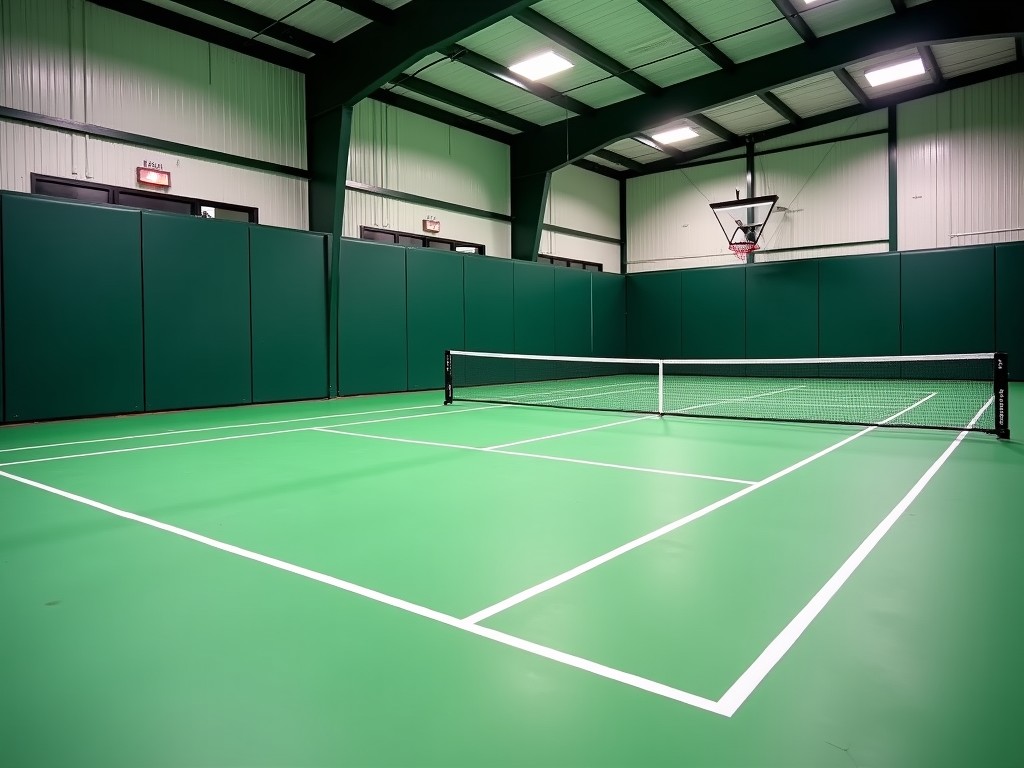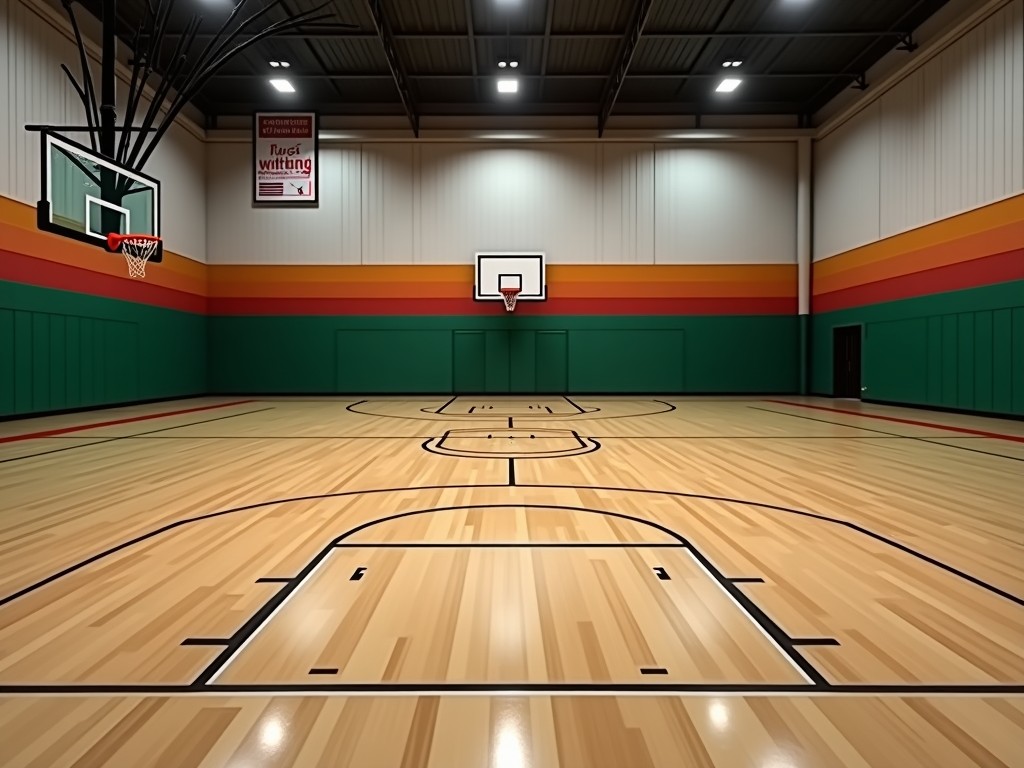
Oem Indoor Sport Court Flooring Manufacturer
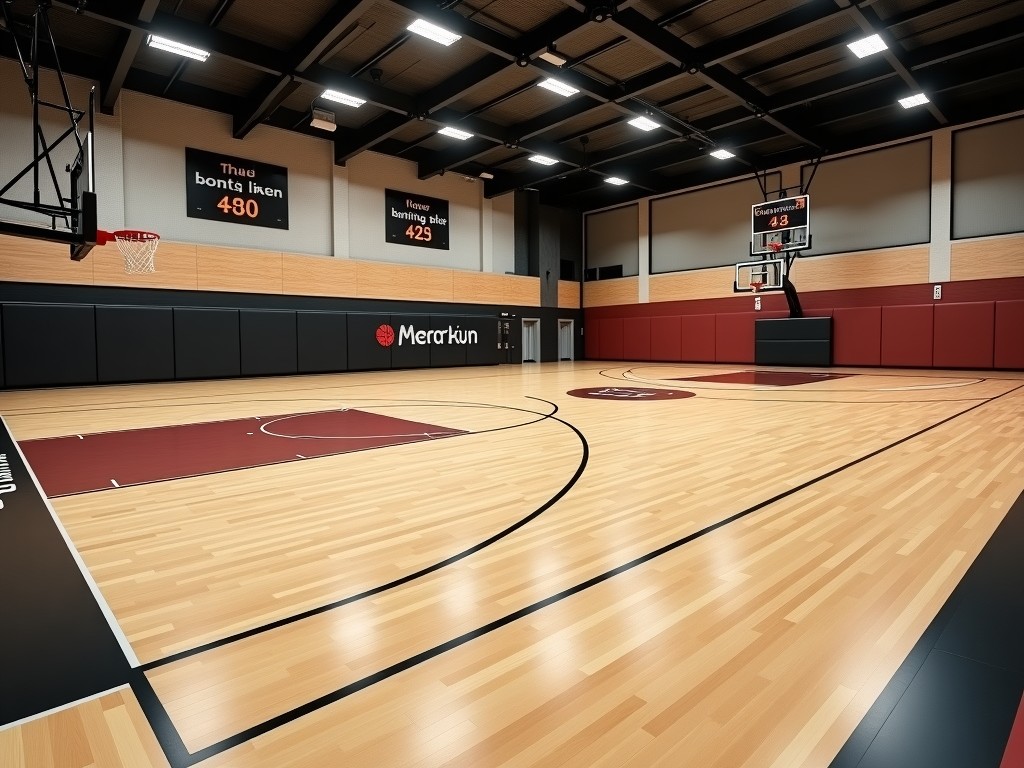
Oem Indoor Sport Court Flooring Manufacturer
OEM Indoor Sport Court Flooring Manufacturer
Indoor sport court flooring must provide consistent ball rebound, adequate shock absorption, and durable surface wear resistance while meeting strict fire and slip‑safety regulations.
Manufacturers select polymeric or rubber‑based compounds that can be formulated to achieve specific load‑deflection curves and friction coefficients tailored to basketball, volleyball, or multi‑use courts.
Material Composition
Base layers typically consist of recycled SBR rubber granules bound with polyurethane resin, delivering a density range of 900‑1100 kg/m³.
Wear surfaces may be calibrated PVC, vulcanized rubber, or modified acrylic coatings, each offering distinct abrasion resistance measured in Taber cycles.
| Material Type | Typical Thickness (mm) | Shock Absorption (%) | Friction Coefficient (wet) |
|---|---|---|---|
| Recycled SBR/PU | 12‑18 | 55‑65 | 0.6‑0.8 |
| Vulcanized Rubber Top | 8‑12 | 45‑55 | 0.5‑0.7 |
| Modified Acrylic Coating | 4‑6 | 30‑40 | 0.4‑0.6 |
Performance Characteristics
Vertical deformation under a 200 kg load typically ranges from 0.8 mm to 1.5 mm, influencing athlete joint fatigue and ball bounce consistency.
Impact attenuation measured via ASTM F2569 shows G‑max values below 200 g for compliant systems, meeting most indoor sports facility standards.
- Abrasion loss after 1000 Taber cycles ≤ 0.05 g for high‑traffic surfaces.
- Fire rating achievable: Bfl‑s1 (EN 13501‑1) when using flame‑retardant additives.
- Slip resistance (wet) measured by pendulum test ≥ 45 BPV for safe footing.
Installation & Subfloor Requirements
A stable, level subfloor with tolerance ± 3 mm over 2 m is required to prevent localized stress concentrations.
Moisture barrier membranes are recommended when installing over concrete slabs with relative humidity > 75 % to avoid adhesive failure.
Interlocking tile systems allow rapid deployment without adhesives, while roll‑goods necessitate full‑spread polyurethane bonding for permanent installations.
Customization & OEM Capabilities
Thickness, color pigments, and surface texture can be adjusted per project specifications to match corporate branding or functional zones.
Custom logos or line markings are embedded via in‑situ printing or laser etching, ensuring durability equal to the base wear layer.
- Panel dimensions: 300 mm × 300 mm up to 1000 mm × 1000 mm modular tiles.
- Edge profiles: straight, beveled, or ramped for wheelchair accessibility.
- Backing options: foam underlay for added cushioning or rigid PVC for high‑load areas.
Quality Control & Testing
Each batch undergoes incoming material verification for Shore A hardness (± 5 points) and tensile strength (≥ 3 MPa).
In‑process checks include thickness gauging (± 0.2 mm) and visual inspection for surface defects under 500 lux lighting.
Finished products are subjected to accelerated aging (UV exposure 150 h) and repeat load testing (10 000 cycles) to validate long‑term performance.
Typical Applications
Facilities requiring consistent ball response, such as basketball courts, benefit from the defined rebound elasticity of 0.85‑0.92 e.
Multi‑use halls that host volleyball, badminton, and futsal rely on the balanced friction range to accommodate quick lateral movements without excessive shoe wear.
- School gymnasiums – low‑maintenance, impact‑absorbing surfaces for daily physical education.
- Professional training centers – customized line markings and logo integration for brand visibility.
- Community recreation centers – modular tiles enabling rapid reconfiguration for varied programming.
Frequently Asked Questions
- Can dimensions be customized? Yes, panel sizes and thicknesses are adjustable according to project layout and load requirements.
- What information is required before quotation? Subfloor condition, intended sports, desired performance specs (shock absorption, friction), and any branding or marking needs.
- What materials are available? Recycled SBR/PU base, vulcanized rubber top, modified acrylic coatings, with optional foam or PVC backing.
- How is quality inspected? Through material verification, in‑process thickness checks, and final accelerated aging and load tests.
- What packaging methods are available? Flat‑stacked pallets for tiles, rolled cores with protective sheeting for continuous rolls, both strapped and stretch‑wrapped.
- How are export shipments protected? Corner boards, moisture‑barrier wraps, and fumigated pallets comply with ISPM‑15 standards.
- What is the typical production lead time? 4‑6 weeks for standard configurations; custom colors or logos may extend to 8‑10 weeks.
- How are samples arranged? Sample kits (up to three material options) are shipped via express courier upon receipt of a formal request.
Next Steps
To discuss your specific court performance targets and obtain a detailed technical proposal, please reach out to our engineering team.
Request a Quote