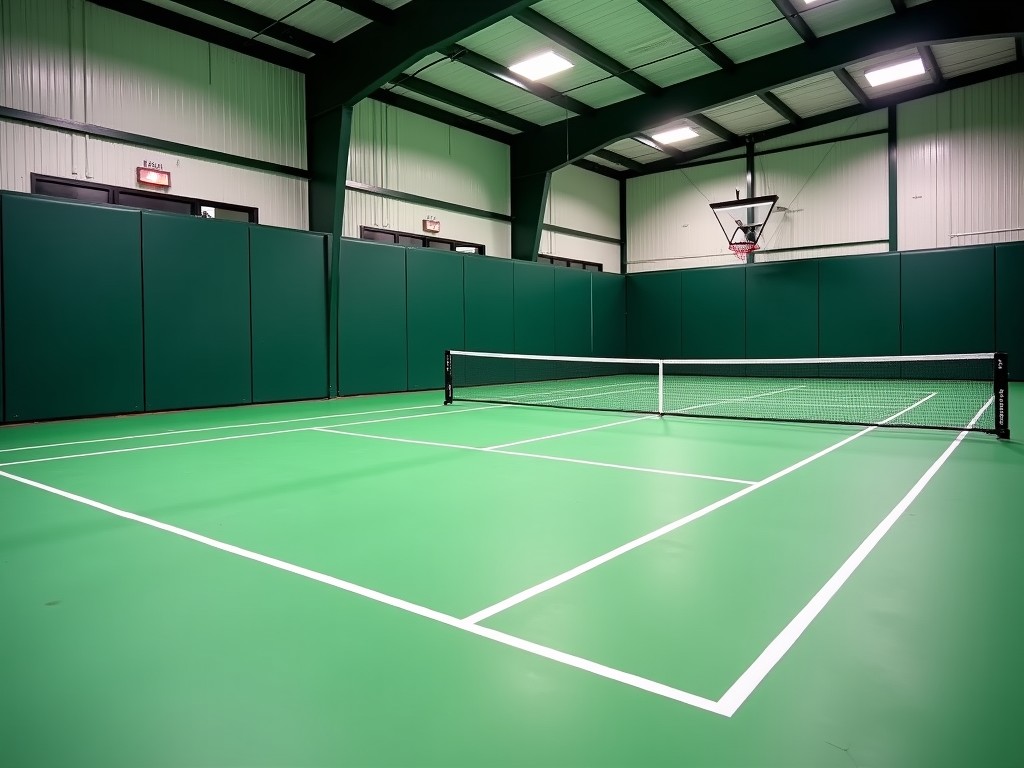
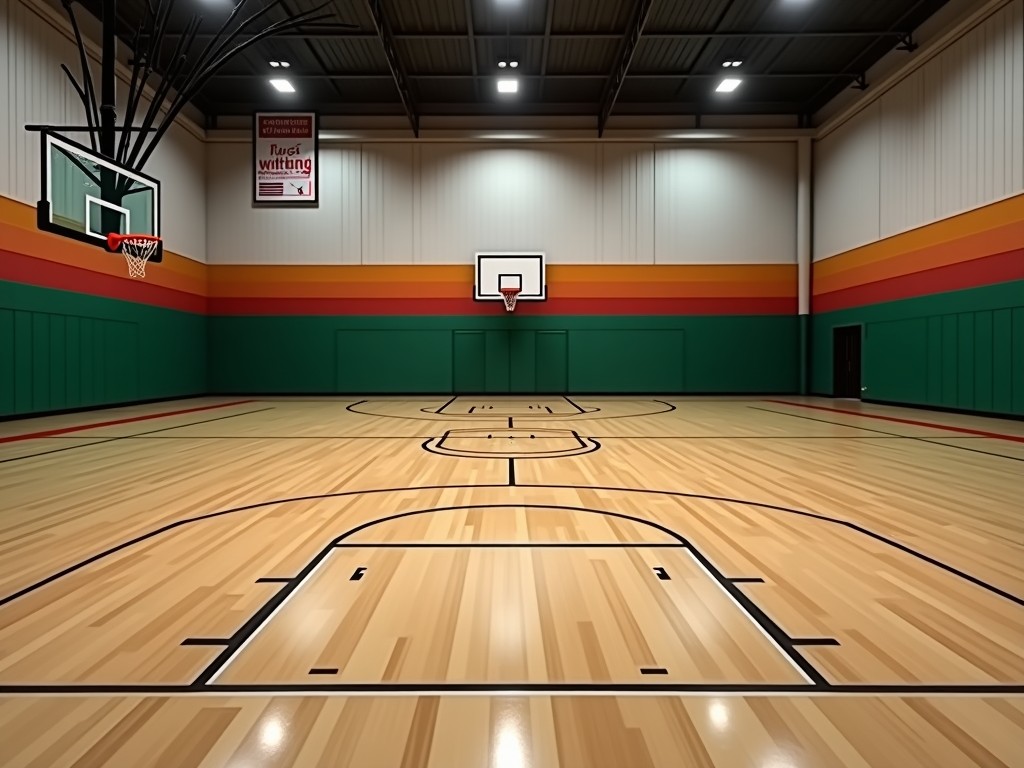
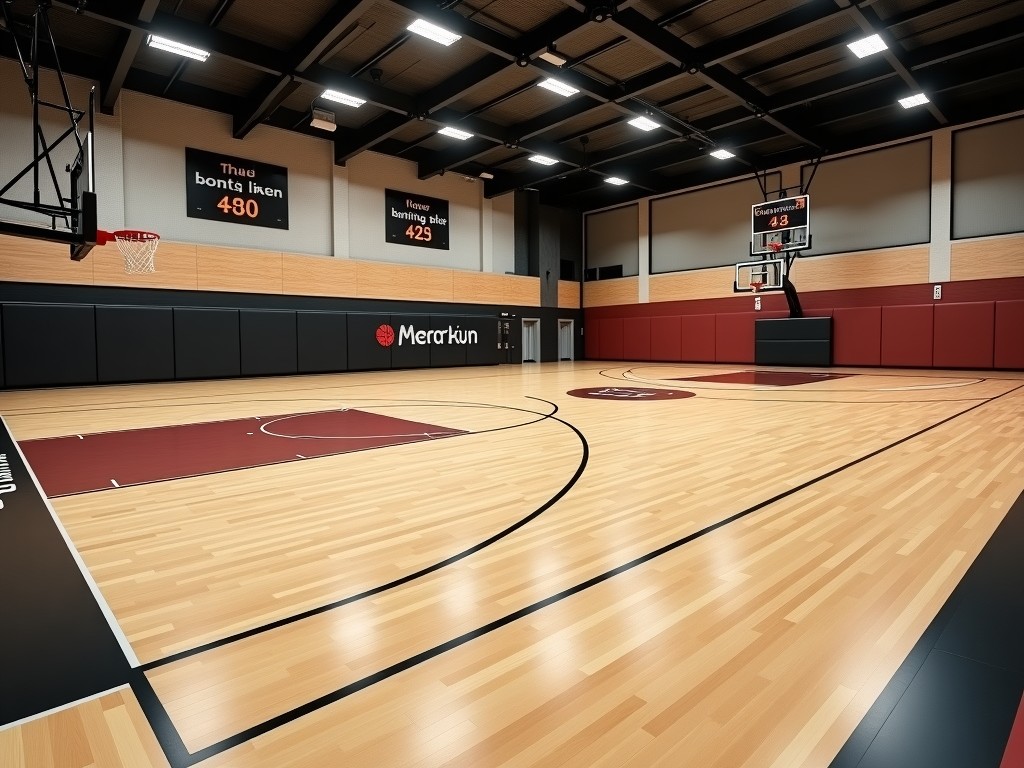
Oem Indoor Multi Purpose Sports Flooring Manufacturer
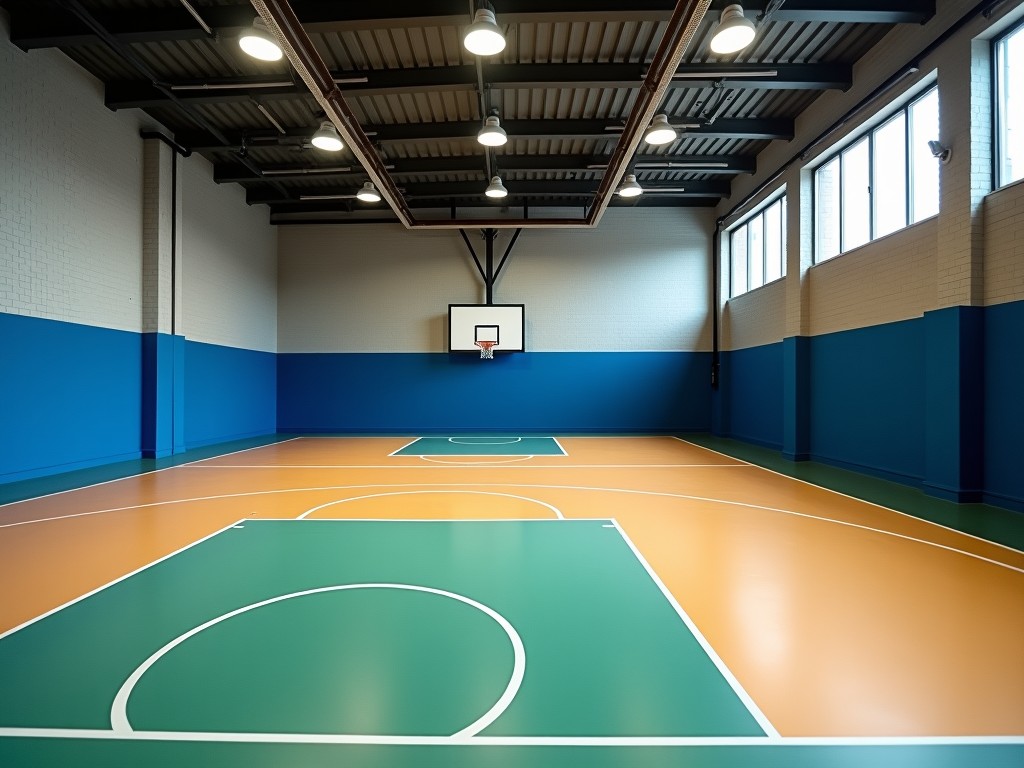
Oem Indoor Multi Purpose Sports Flooring Manufacturer
OEM Indoor Multi-Purpose Sports Flooring
An OEM indoor multi‑purpose sports floor is a modular surface system engineered to deliver consistent performance across a variety of athletic activities without requiring surface changes. It combines a load‑distributing base, a tuned shock‑absorbing mid‑layer, and a wear‑resistant top coating to meet the distinct demands of basketball, volleyball, badminton, and training routines.
Material Composition and Structure
The flooring consists of three primary layers: a high‑density polyurethane base (typically 8 mm thick) that provides dimensional stability and moisture resistance; a recycled rubber granule mid‑layer (around 5 mm) formulated for shock absorption and vertical deformation; and a polyvinyl chloride (PVC) or polyurethane wear surface (approximately 2 mm) engineered for abrasion resistance and consistent ball rebound. Each layer is bonded under controlled temperature and pressure to prevent delamination under cyclic loading.
- Base layer: high‑density polyurethane, 8 mm, moisture barrier and load distribution
- Mid‑layer: recycled rubber granules, 5 mm, tuned shock absorption (typically 40‑60 % energy return)
- Wear surface: PVC/PU coating, 2 mm, abrasion resistance ≥ 0.8 mg loss per 1000 cycles (Taber)
Key Performance Characteristics
Performance is quantified through standardized tests that mimic real‑game conditions. Shock absorption, vertical deformation, friction, and wear resistance are the four metrics most relevant to multi‑purpose indoor courts.
| Property | Test Standard | Typical Value | Unit |
|---|---|---|---|
| Shock Absorption | ASTM F2772 | 45 | % |
| Vertical Deformation | ASTM F2772 | 1.8 | mm |
| Friction Coefficient | ASTM F2772 | 0.6‑0.8 | – |
| Wear Resistance | Taber Abraser, CS‑10 | ≤ 0.8 | mg/1000 cycles |
| Ball Rebound | ASTM F2117 | 95 ± 3 | % |
| Moisture Resistance | ASTM F1265 | < 0.2 | % weight gain (24 h) |
Installation Methods
The system is delivered as interlocking tiles or roll‑goods with a tongue‑and‑groove edge that allows rapid, adhesive‑free assembly over a smooth, level substrate. Installation typically requires a clean concrete or asphalt base with a maximum flatness deviation of 3 mm over 2 m, verified using a straightedge and feeler gauge. After laying, a perimeter roller secures the edges, and the floor can be walked on immediately; full load bearing is achieved after 24 hours as the underlying layers settle.
Maintenance and Longevity
Routine maintenance involves dry‑sweeping to remove dust and periodic damp‑mopping with a neutral pH cleaner (pH 6‑8) to prevent surface glazing. Abrasive pads or solvent‑based cleaners should be avoided as they accelerate wear of the PVC/PU top layer. Under normal indoor sports use, the flooring retains ≥ 85 % of its original shock absorption after 5 years, corresponding to an estimated service life of 8‑10 years before replacement is recommended for competitive play.
Customization Options
OEM production allows adjustment of layer thicknesses, color patterns, and line markings to match specific sport regulations or facility branding. Thickness of the shock‑absorbing mid‑layer can be increased from 5 mm to 8 mm for higher impact sports such as martial arts, while the wear surface can be formulated with added UV stabilizers for rooms with significant daylight exposure.
- Overall thickness: 12 mm to 20 mm (base + mid + wear)
- Mid‑layer shock absorption: 35‑70 % energy return (tunable)
- Wear surface color: standard palette or custom RAL match
- Line markings: pre‑printed or in‑lay tape for basketball, volleyball, badminton, futsal
- Edge profile: straight, beveled, or ramped for wheelchair accessibility
Quality Control and Testing
Quality assurance begins with raw‑material inspection, where each batch of polyurethane and rubber granules is tested for density, tensile strength, and volatile organic compound content. During production, inline monitors track temperature, pressure, and cure time to ensure consistent bonding across the full width of the material. Finished tiles undergo random sampling for shock absorption, vertical deformation, and abrasion resistance; any batch deviating more than ±5 % from the target specification is quarantined for rework. Final inspection includes a visual check for color uniformity and dimensional tolerances (±0.5 mm on length and width).
Applications
Indoor multi‑purpose sports flooring is selected when a facility must accommodate varied athletic programs without the downtime and cost of surface changes. The uniform shock absorption protects joints during high‑impact activities such as basketball jumps, while the controlled friction supports lateral movements required in volleyball and badminton. Additionally, the low‑maintenance surface reduces labor costs for community centers, schools, and multi‑use arenas that operate on tight schedules.
| Application | Recommended Shock Absorption | Recommended Friction Coefficient | Typical Use |
|---|---|---|---|
| Basketball | ≥ 40 % | 0.6‑0.8 | Competitive courts |
| Volleyball | ≥ 35 % | 0.5‑0.7 | League play |
| Badminton | ≥ 30 % | 0.4‑0.6 | Club and school courts |
| Multi‑use training | ≥ 35 % | 0.5‑0.8 | Fitness and martial arts |
| Wheelchair sports | ≥ 45 % | 0.5‑0.7 | Paralympic facilities |
Frequently Asked Questions
Can the dimensions be customized?
Yes. Tile size, thickness, and edge profile can be adjusted to suit the substrate layout and design requirements; standard tile dimensions are 500 mm × 500 mm but custom lengths up to 1000 mm are available.
What information is required before a quotation?
To generate an accurate quote we need the total area (square meters), desired performance levels (shock absorption, friction), any specific color or line‑marking needs, and the condition of the existing sub‑floor (flatness, moisture content).
How is quality inspected?
Each production lot undergoes raw‑material verification, in‑line process monitoring, and final product testing for shock absorption, vertical deformation, abrasion resistance, and dimensional tolerances as described in the quality control section.
What packaging methods are available?
Tiles are stacked in corrugated cardboard sheets with edge protectors and placed on pallets secured with stretch film; roll‑goods are wound on cardboard cores and wrapped in polyethylene film to prevent moisture ingress during transit.
What is the typical production lead time?
Lead time varies with order size and customization but generally ranges from 3 to 6 weeks after receipt of technical drawings and deposit; expedited options are available for urgent projects.
How are samples arranged?
Free sample tiles (up to three pieces) can be shipped upon request; the recipient covers freight charges, and the samples are representative of the selected material configuration.
Get a Technical Quote
For a detailed technical proposal tailored to your facility’s dimensions, performance targets, and schedule, please provide the project specifications via our inquiry form. Our engineering team will respond with a layered cross‑section drawing, cost estimate, and lead‑time estimate within two business days.
Request a Quote