Custom Indoor Synthetic Sports Gym Flooring Factory
Custom Indoor Synthetic Sports Gym Flooring Factory
Custom Indoor Synthetic Sports Gym Flooring
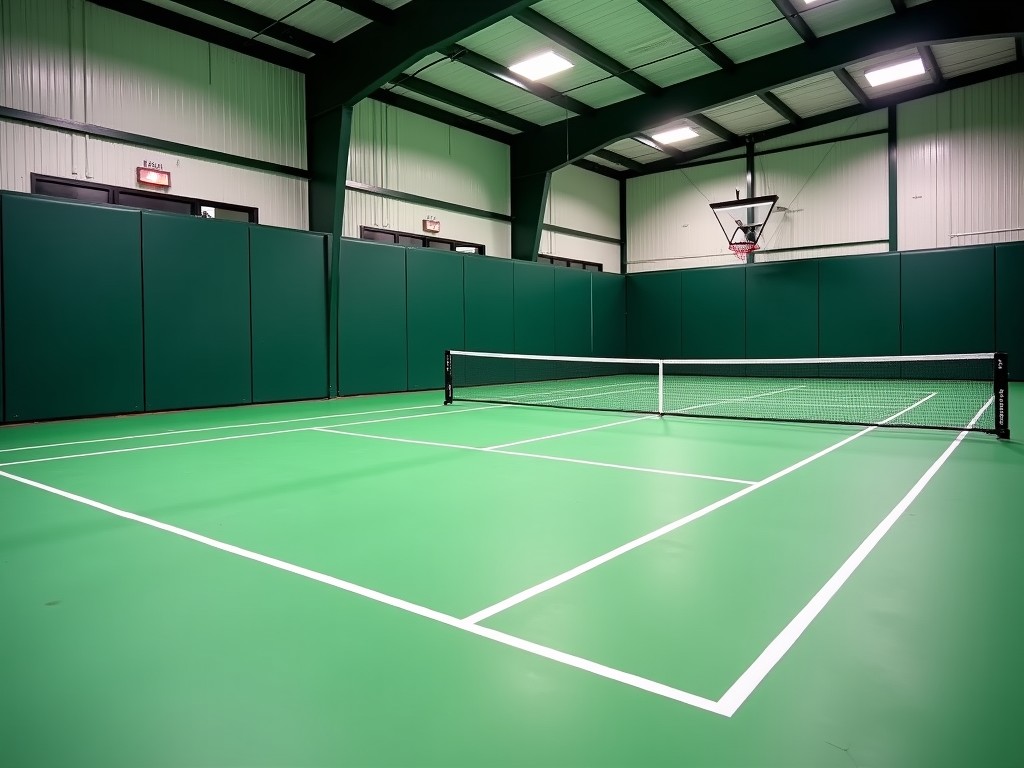
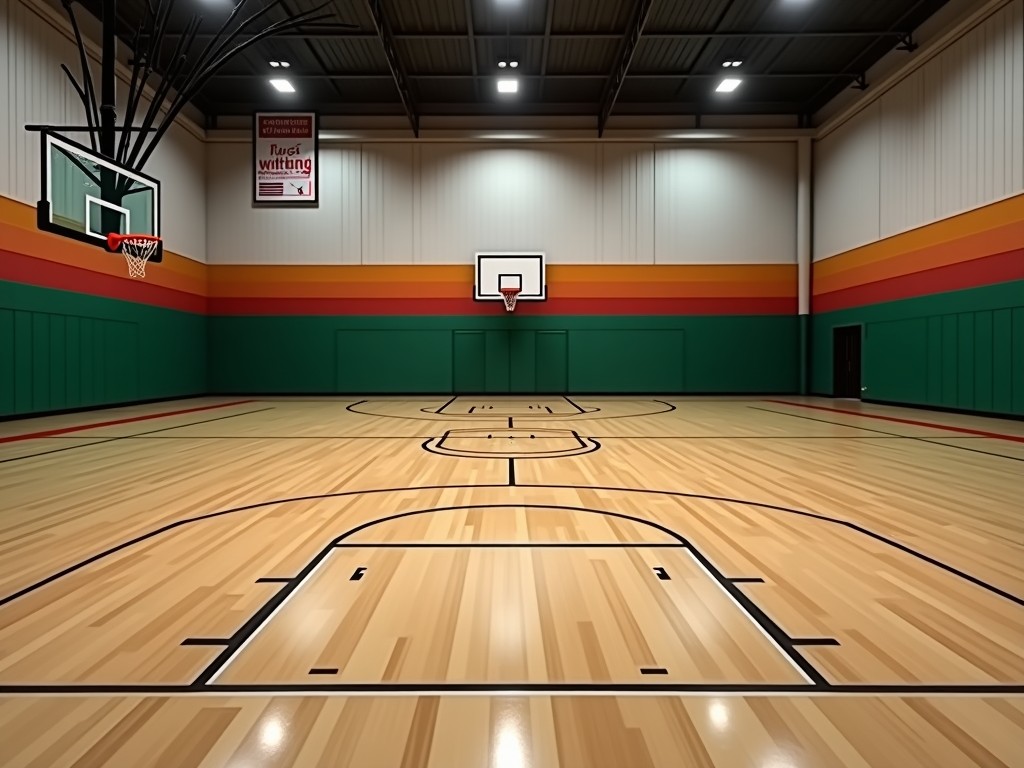
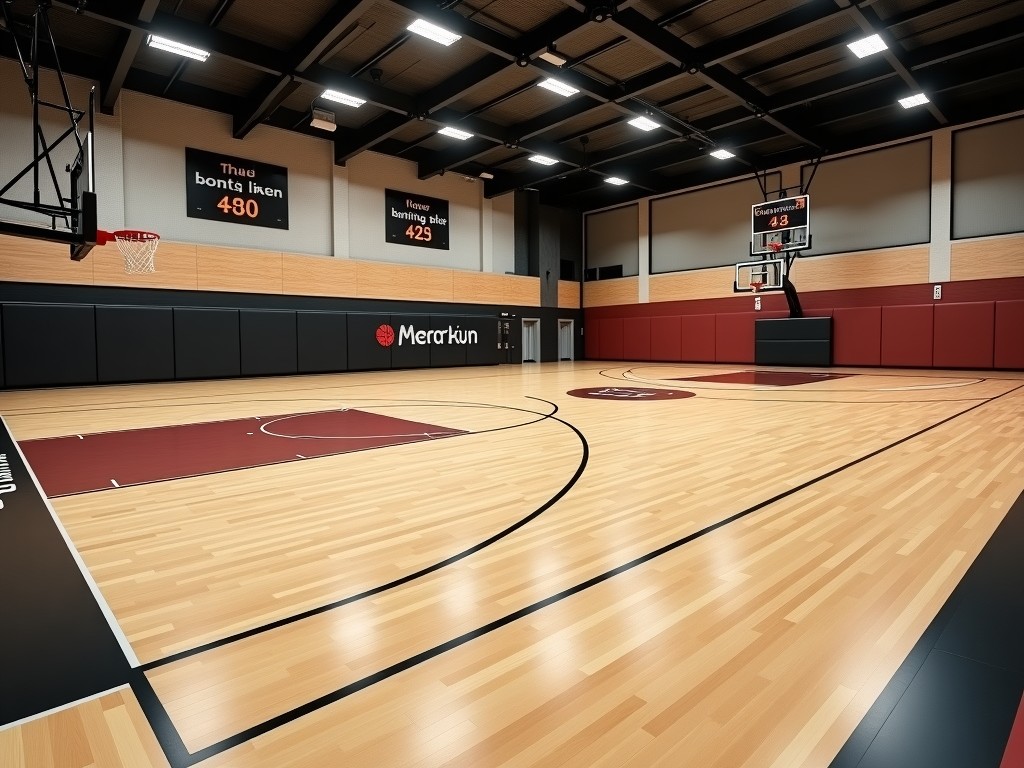
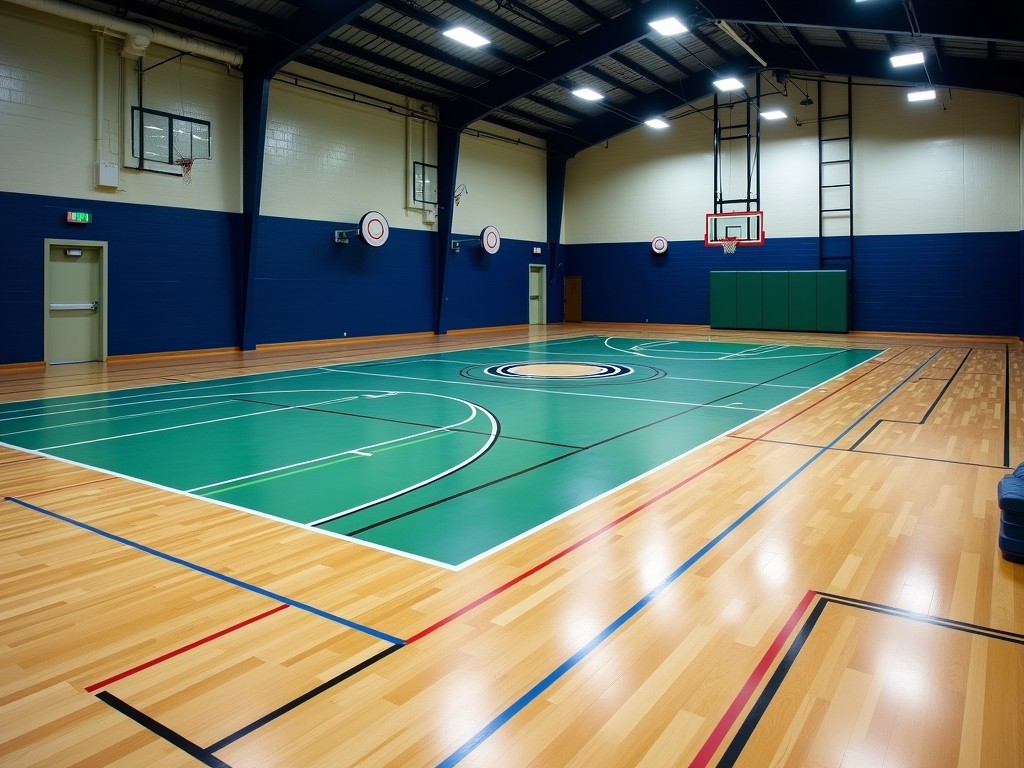
Indoor synthetic sports flooring is engineered to provide a consistent, resilient surface for activities ranging from weightlifting to multi‑purpose court games. The product is manufactured in rolls or interlocking tiles, allowing adaptation to sub‑floor conditions and installation constraints.
Material Composition
The core typically consists of a vulcanized rubber or thermoplastic elastomer blend that delivers elasticity and impact resistance. A wear layer of polyvinyl chloride (PVC) or polyurethane (PU) is applied to enhance abrasion resistance and facilitate cleaning.
- Recycled rubber granules (10‑30 % by weight) for sustainability and shock attenuation.
- PVC wear layer thickness ranging from 0.8 mm to 2.0 mm, depending on traffic intensity.
- Optional antimicrobial additives to inhibit bacterial growth in humid environments.
Performance Characteristics
Key engineering parameters are measured according to ASTM and EN standards, enabling specifiers to compare products objectively.
| Property | Typical Range | Test Method |
|---|---|---|
| Overall thickness | 6 mm – 12 mm | ASTM F386 |
| Shock absorption (G‑max) | 25 % – 45 % reduction vs concrete | ASTM F2772 |
| Coefficient of friction (wet/dry) | 0.5 – 0.7 | ASTM D2047 |
| Wear resistance (Taber abrasion) | ≤150 mg loss after 1000 cycles | ASTM D4060 |
| VOC emissions | ≤0.5 mg/m³ (floor‑score) | CDPH/EHLB/Standard Method V1.1 |
Customization Options
Factory‑level adjustments enable the flooring to meet specific functional and aesthetic requirements without compromising performance.
- Thickness: selectable in 1 mm increments from 6 mm to 12 mm.
- Color palette: standard RAL shades plus custom pigment matching.
- Surface texture: embossed patterns for slip resistance or smooth finish for dance.
- Logo or line marking integration via in‑lay or laser etching.
- Edge profiling: straight, beveled, or interlocking tongue‑groove for floating installations.
Applications in Sports Facilities
The flooring’s combination of impact attenuation and surface durability supports both high‑impact and low‑impact activities, reducing the need for multiple surface types within a single venue.
Examples include weight‑training zones where dropped loads generate peak forces of up to 5 kN, multi‑purpose courts requiring consistent ball rebound, and martial‑arts areas demanding tatami‑like firmness with added slip resistance.
By selecting appropriate thickness and wear layer, designers can tune the vertical deformation to stay within sport‑specific limits (e.g., < 5 mm for basketball, < 3 mm for volleyball).
Quality Control Philosophy
Each production lot undergoes inline monitoring and batch testing to verify that critical properties remain within specification limits.
- Thickness measured at 5 points per roll using laser micrometers (±0.1 mm tolerance).
- Hardness assessed via Shore A durometer (target 80 ± 5).
- Abrasion resistance tested on a Taber Abrader; batches exceeding 150 mg loss are rejected.
- VOC emissions sampled in a climate‑controlled chamber; results logged for traceability.
Documentation includes a material data sheet and a test report summarizing the above metrics, available upon request.
Installation Overview
Two primary installation methods are employed, each suited to different sub‑floor conditions and project schedules.
- Fully adhered: pressure‑sensitive adhesive applied to a clean, level concrete substrate; provides permanent fixation and eliminates movement.
- Floating interlock: tiles or roll‑goods with tongue‑groove edges laid over a vapor barrier; allows quick removal and re‑configuration.
Site‑specific factors such as moisture content (< 4 % RH), floor flatness (< 3 mm deviation over 2 m), and temperature stability influence the recommended method.
Maintenance Guidelines
Routine care preserves the wear layer and extends service life, typically exceeding 8 years under moderate traffic.
- Daily: dry dust mop or vacuum with soft brush attachment.
- Weekly: damp mop using pH‑neutral cleaner (dilution 1:200).
- Monthly: machine scrub with low‑speed rotary brush (≤ 150 rpm) and mild detergent.
- Annual: inspect seams and edges for adhesion loss; re‑apply adhesive if needed.
Avoid solvent‑based cleaners, abrasive pads, and excessive water accumulation, as these can degrade the PVC/PU wear layer.
Frequently Asked Questions
Can dimensions be customized?
Yes. Widths are available in 1 m, 1.22 m, and 1.5 m rolls; lengths are cut to order. Interlocking tiles come in 500 mm × 500 mm modules with optional edge trims.
What information is required before quotation?
Project address, intended sport activities, estimated traffic level, sub‑floor type (concrete, wood, asphalt), desired thickness, color or logo requirements, and installation preference (adhered or floating).
How is quality inspected?
Each batch undergoes dimensional, hardness, abrasion, and VOC testing per the internal QC protocol; results are retained for three years and shared with the buyer upon request.
What packaging methods are available?
Rolls are wrapped in polyethylene film, placed on cardboard cores, and secured on pallets with stretch wrap. Tile sets are packed in corrugated cartons with palletization; both options include edge protection.
What is the typical production lead time?
Standard colors and thicknesses: 2‑3 weeks after receipt of approved artwork and technical specifications. Custom colors or logos may add 5‑7 days for pigment matching and tooling.
Contact Us
For technical data sheets, sample requests, or a project‑specific quotation, please reach out to our engineering team.