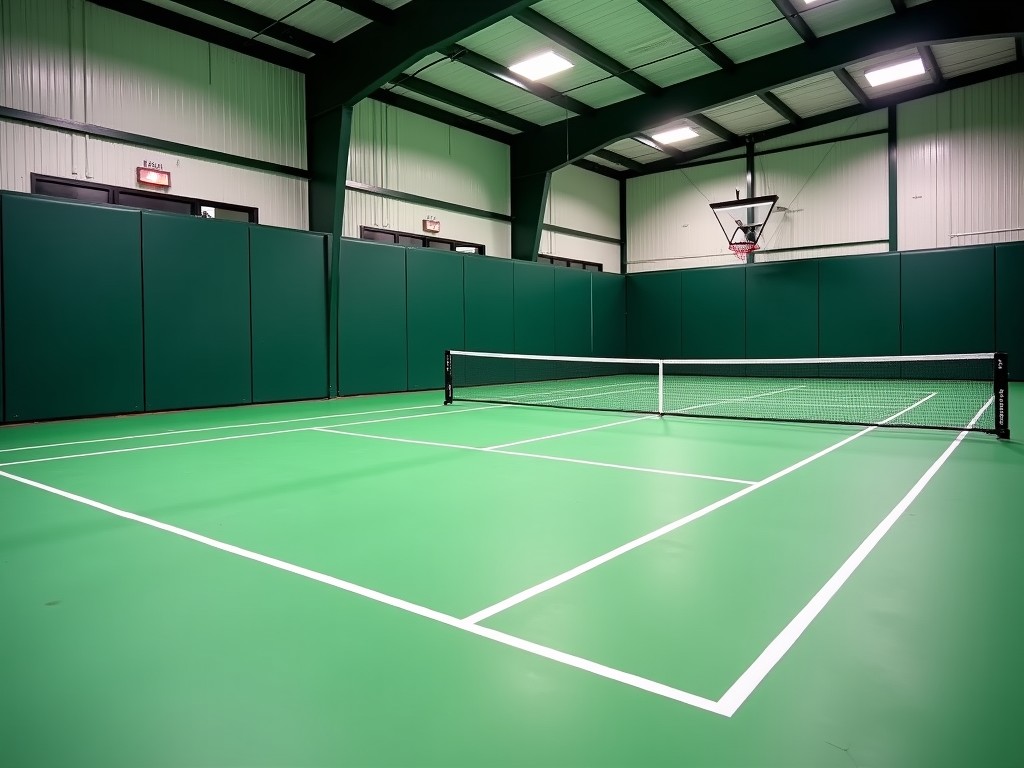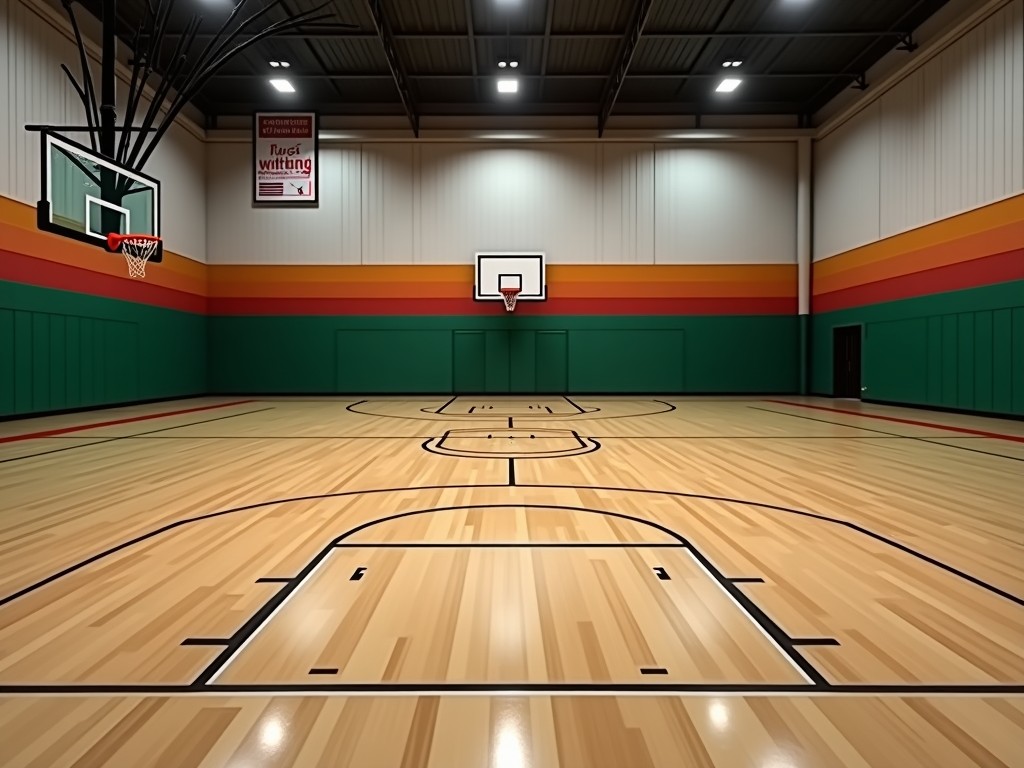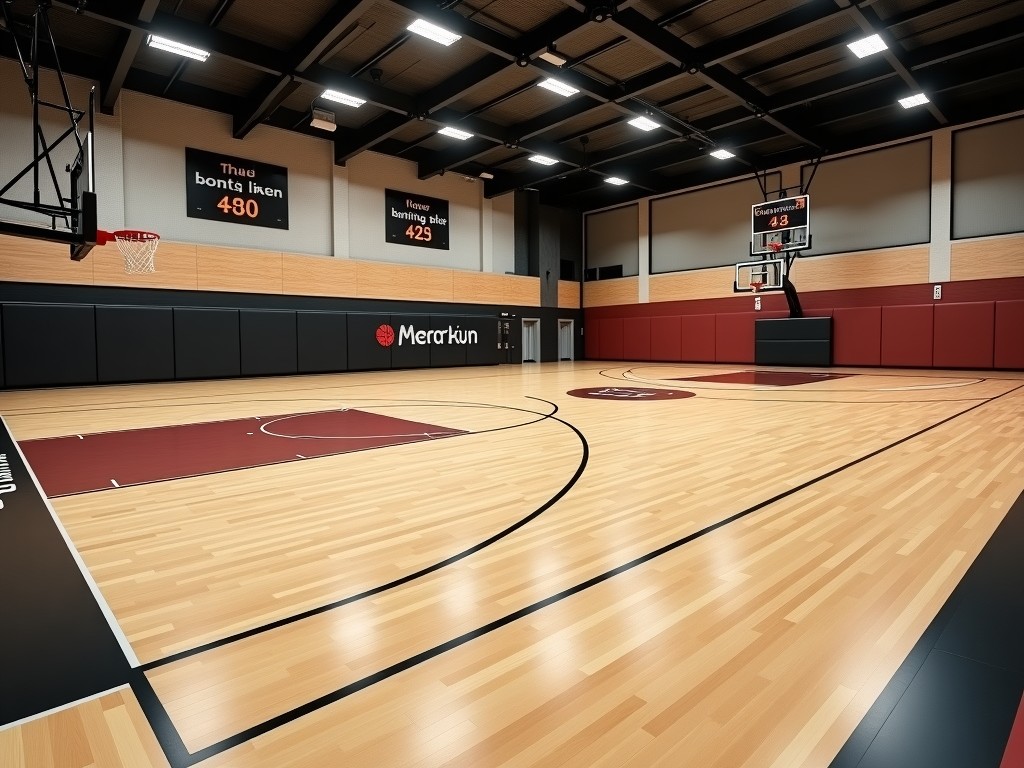
Custom Indoor Pickleball Court Sports Flooring Supplier
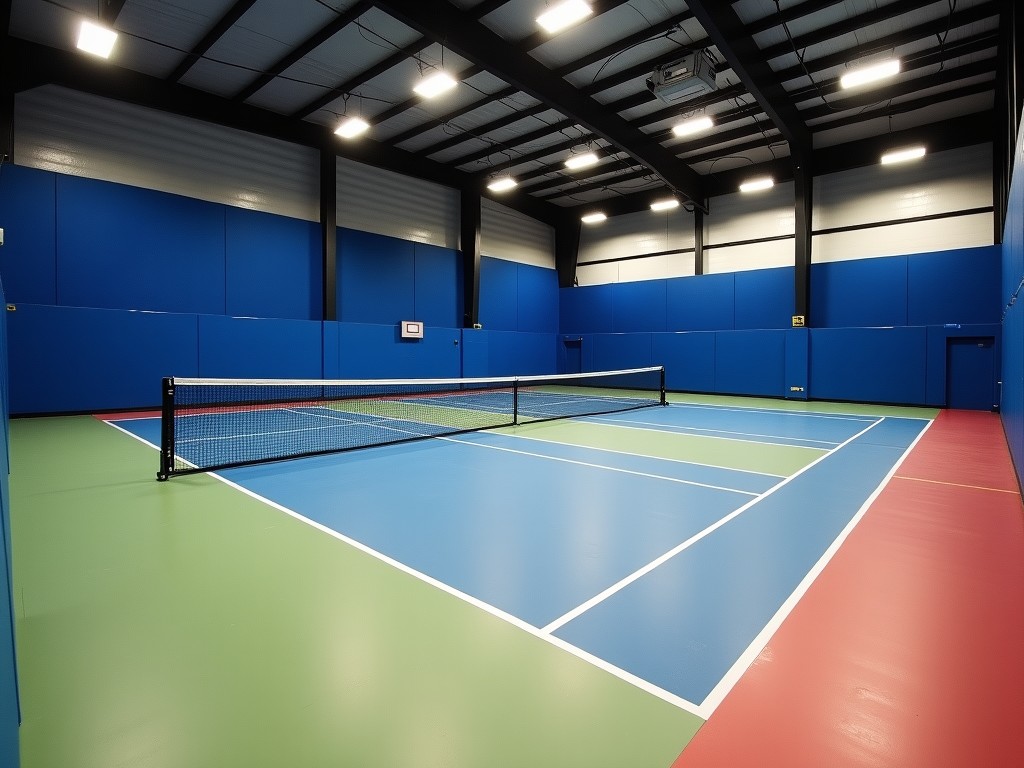
Custom Indoor Pickleball Court Sports Flooring Supplier
Custom Indoor Pickleball Court Sports Flooring Supplier
The flooring system for indoor pickleball courts must provide consistent ball rebound, adequate slip resistance, and impact attenuation to protect players’ joints during frequent lateral movements.
Material Composition and Structure
Typical constructions combine a wear-resistant polymer top layer with a cushioned underlayer to achieve desired performance.
- Wear layer: 1.0 mm to 1.5 mm thick, UV‑stabilized polymer.
- Cushion layer: expanded polypropylene or rubber granules, thickness 5 mm to 8 mm.
- Backing layer: moisture‑resistant barrier, typically 0.5 mm polyester film.
Performance Characteristics
Key performance indicators are measured according to ASTM F2772 for sports flooring: vertical deformation, force reduction, ball rebound, and surface friction.
Typical values for a properly engineered indoor pickleball surface:
| Property | Typical Range | Test Standard |
|---|---|---|
| Vertical deformation | 0.5 mm – 0.8 mm | ASTM F2772 |
| Force reduction | 30 % – 45 % | ASTM F2772 |
| Ball rebound (basketball) | 90 % – 95 % | ASTM F2117 |
| Coefficient of friction (wet) | 0.55 – 0.70 | ASTM E303 |
Customization Options
Because court dimensions, subfloor conditions, and aesthetic preferences vary, the flooring can be tailored in several ways:
- Overall thickness: adjustable from 6 mm to 12 mm by modifying cushion layer.
- Surface texture: embossed patterns to achieve specific slip‑resistance targets.
- Color and logo integration: pigment can be matched to RAL or Pantone standards; custom in‑lay logos are possible.
- Edge detailing: tapered or beveled edges for seamless transitions to adjacent flooring.
- Installation method: loose‑lay, adhesive‑bonded, or interlocking tile systems.
Installation Considerations
Proper subfloor preparation is critical: flatness tolerance ≤ 3 mm over 2 m, moisture content below 12 % for concrete slabs, and a clean, debris‑free surface.
Depending on the selected system, installation may require a pressure‑sensitive adhesive, a double‑sided tape, or a mechanical interlock. Manufacturers typically provide detailed layout drawings and seam‑treatment guidelines to ensure uniform performance across the entire court.
Typical Applications
Indoor pickleball courts benefit from a surface that delivers consistent ball response while reducing joint stress. The same flooring specifications are suitable for multi‑purpose recreational facilities, school gymnasiums, and community centers where the court may host other low‑impact sports such as badminton or table tennis.
Quality Assurance and Testing
Each production lot undergoes dimensional checks, hardness testing, and friction measurements. Samples are conditioned at 23 °C/50 % RH for 24 hours before testing to simulate indoor court conditions.
Traceability is maintained through batch numbers, and a copy of the test report is supplied with each shipment upon request.
Frequently Asked Questions
Can dimensions be customized?
Yes. The flooring can be cut to any length and width required for the court layout, with tolerances typically held within ± 2 mm.
What information is needed for a quotation?
Key inputs include court dimensions, subfloor type (concrete, wood, existing vinyl), desired thickness, surface color or logo requirements, and preferred installation method.
Which materials are available for the wear layer?
Common options are polypropylene‑based blends, PVC compounds, or polyurethane coatings, each offering different ranges of hardness, abrasion resistance, and cost.
How is quality inspected before shipping?
Finished rolls or tiles are inspected for thickness uniformity, surface defects, and adhesion of the wear layer to the cushion layer. Random samples are subjected to the ASTM F2772 tests mentioned earlier.
What packaging methods are available?
Products are typically rolled on a cardboard core with protective polyethylene wrap, or packed in flat‑stacked cartons with corner protectors for tile systems.
For export shipments, additional moisture‑barrier bags and wooden pallets are used to prevent damage during transit.
Get in Touch
To discuss your specific court project, request a detailed quotation, or obtain a sample kit, please reach out to our engineering team.
Request a quote | Download technical datasheet | Contact our engineering team