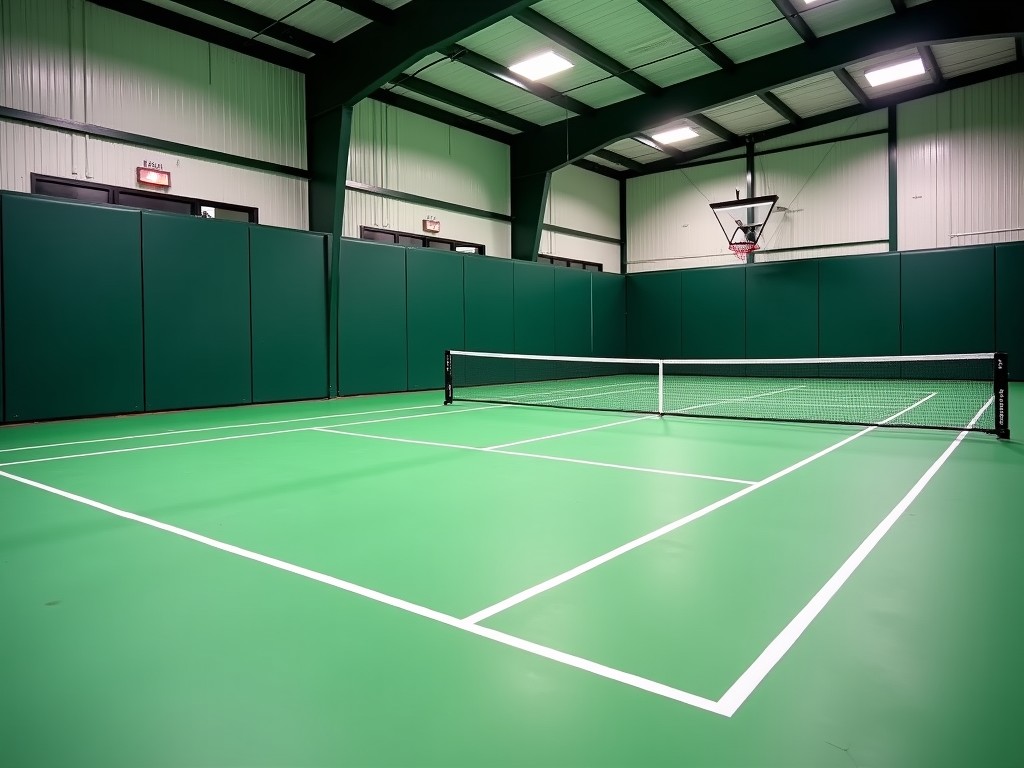
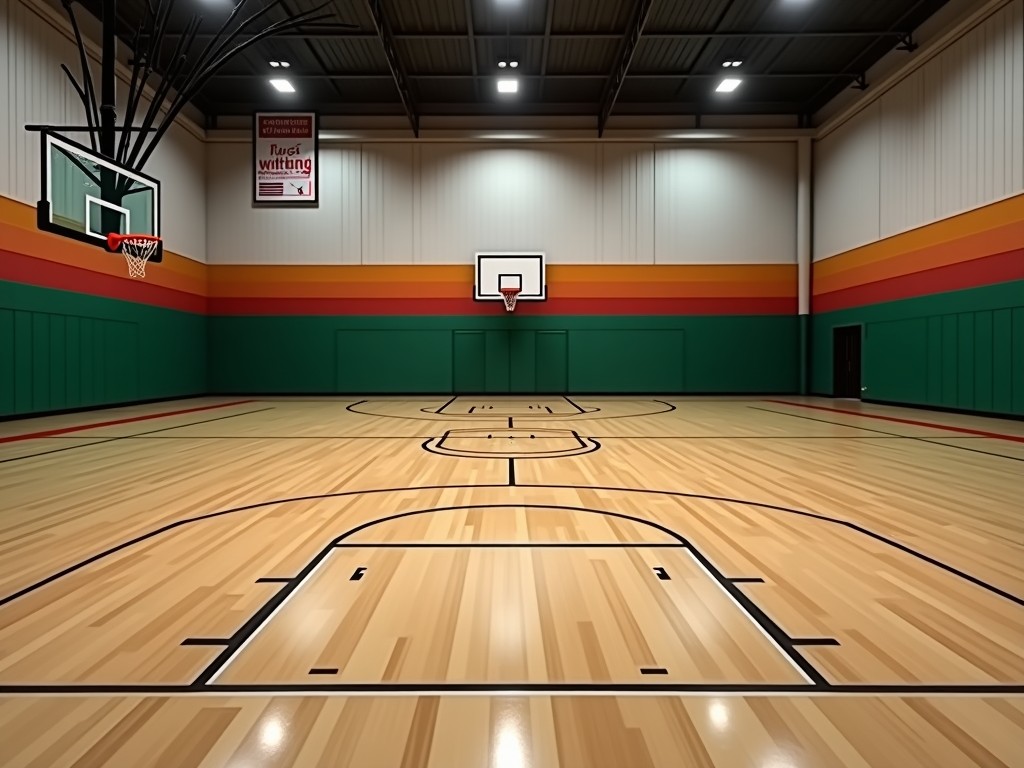
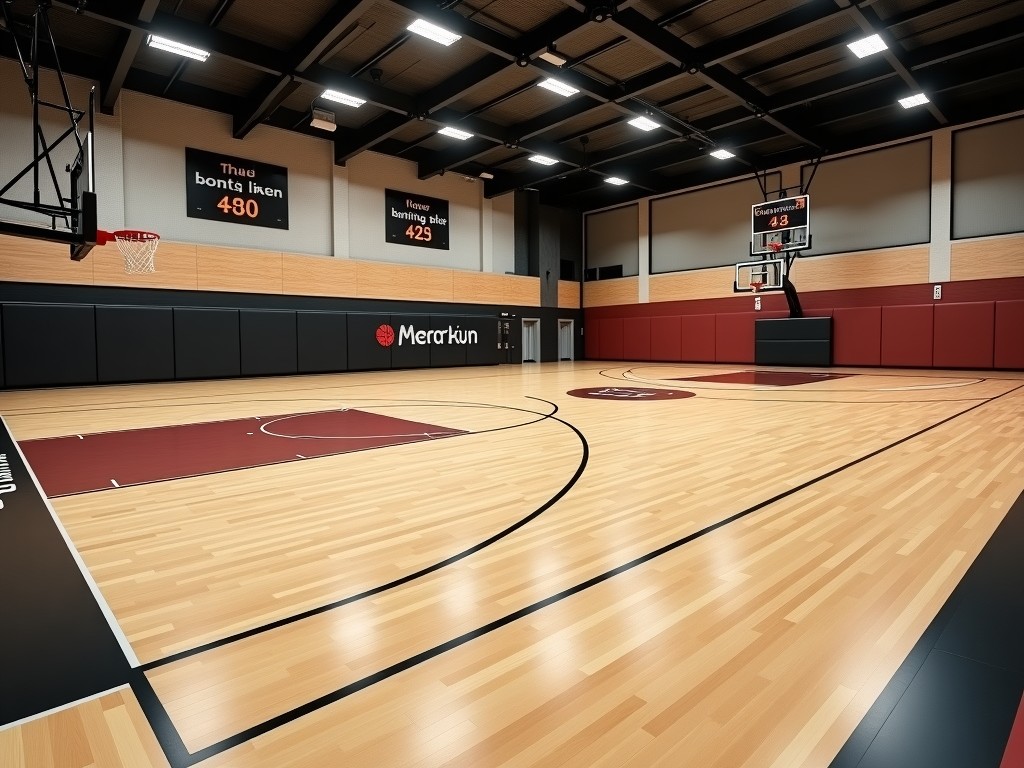
Custom Indoor Basketball Court Flooring Options Manufacturer
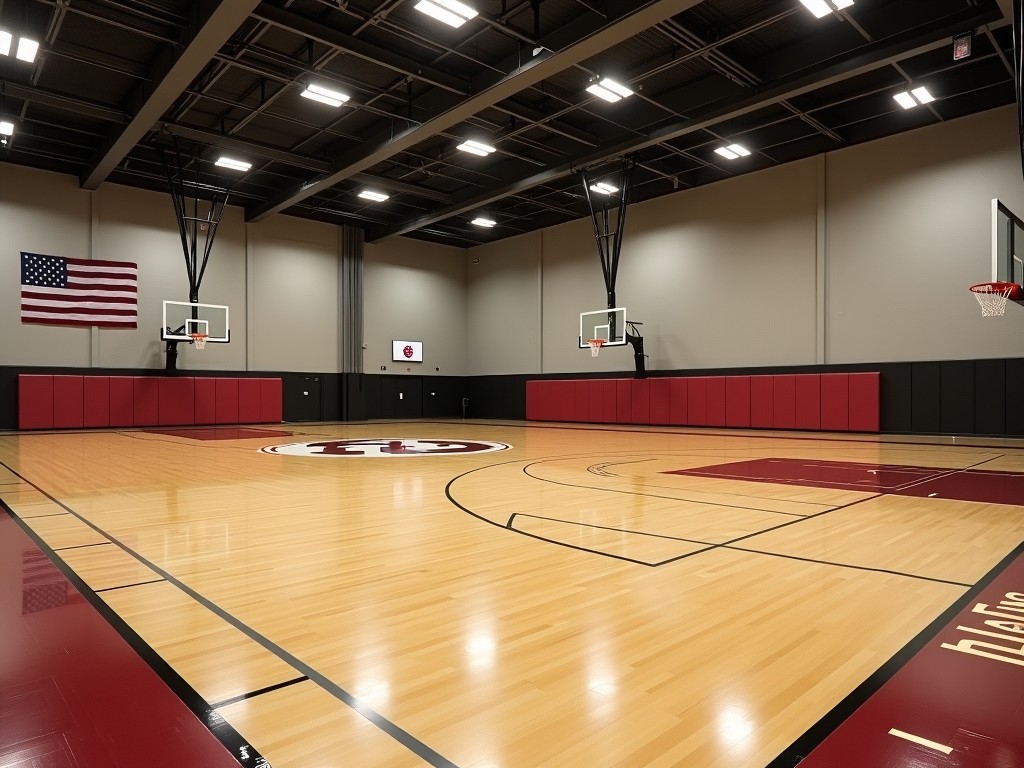
Custom Indoor Basketball Court Flooring Options Manufacturer
Custom Indoor Basketball Court Flooring Options
Selecting the right flooring system for an indoor basketball court influences player safety, ball response, and long‑term maintenance costs. This page explains the technical factors that manufacturers consider when engineering custom solutions for sports facilities.
Material Selection and Performance Characteristics
The primary polymer choices are polyurethane (PU), recycled rubber, and polyvinyl chloride (PVC)‑based sports surfaces. Each material offers a distinct combination of shock absorption, surface friction, and wear resistance that can be tuned through formulation and layer thickness.
- PU systems typically provide 55‑65 % shock absorption (measured per EN 14808) with a smooth, seamless finish that supports consistent ball bounce.
- Recycled rubber underlayments paired with a wear‑resistant top coat deliver 45‑55 % shock absorption and excellent impact durability, suitable for multi‑use courts.
- PVC‑based modular tiles allow on‑site replacement of damaged units and can achieve 50‑60 % shock absorption when combined with a foam backing layer.
Slip resistance is quantified by the coefficient of friction (CoF) measured under wet and dry conditions. For basketball, a dry CoF between 0.6 and 0.8 meets ANSI/ASSE A1264.2 recommendations for court sports.
Customization Options
Manufacturers adjust several parameters to meet project‑specific performance targets and aesthetic requirements.
- Total thickness: ranging from 8 mm (thin overlay) to 15 mm (full‑depth system) influences both shock absorption and subfloor preparation.
- Surface texture: embossed patterns or graded sand‑filled finishes modify the CoF without compromising wear life.
- Color and line markings: pigments are dispersed throughout the wear layer or applied as in‑laid tape, allowing permanent court logos and FIBA‑standard lines.
- Acoustic underlay: optional closed‑cell foam reduces impact noise transmission to adjacent spaces.
Installation and Subfloor Requirements
Proper subfloor preparation is critical to achieve the designed performance. The substrate must be flat within ±3 mm over a 2 m span and have a compressive strength of at least 25 MPa for bonded systems.
For bonded PU or rubber systems, a primer compatible with the topcoat is applied, followed by a trowel‑laid underlayment. Modular tile systems require a levelling screed and interlocking tabs that accommodate minor substrate irregularities.
Expansion joints are placed at perimeter walls and at intervals not exceeding 6 m to prevent buckling due to temperature‑induced dimensional changes.
Maintenance and Lifecycle Expectations
Routine maintenance extends service life and preserves playing characteristics.
- Daily: dry dust mop to remove debris; weekly: neutral pH cleaner applied with a microfiber mop.
- Quarterly: inspect seams and bonded edges for delamination; repair with manufacturer‑approved adhesive.
- Every 3–5 years: surface re‑coating (if applicable) restores original CoF and wear resistance.
With proper care, a PU‑based court typically delivers 10–12 years of competitive play before major refurbishment, whereas rubber‑topped systems often exceed 15 years in low‑impact multi‑use settings.
Typical Applications
Indoor basketball courts serve environments where consistent ball response and player safety are non‑negotiable. Schools, community recreation centers, and professional training facilities require flooring that meets both performance standards and budget constraints.
A PU surface provides the high energy return preferred for competitive leagues, while a rubber‑topped system offers superior durability for facilities that host volleyball, futsal, and fitness classes on the same court.
Comparison of Common Indoor Basketball Flooring Systems
| Property | Polyurethane (PU) | Recycled Rubber Topcoat | PVC Modular Tiles |
|---|---|---|---|
| Typical Thickness Range | 8–15 mm | 10–18 mm (incl. underlay) | 12–20 mm (tile + backing) |
| Shock Absorption (EN 14808) | 55‑65 % | 45‑55 % | 50‑60 % |
| Dry Coefficient of Friction | 0.68‑0.78 | 0.62‑0.72 | 0.65‑0.75 |
| Wear Resistance (Taber Abrasion, mg loss/1000 cycles) | 80‑120 | 150‑210 | 100‑150 |
| Typical Service Life (years) | 10‑12 | 12‑18 | 8‑12 |
Frequently Asked Questions
- Can dimensions be customized? Yes. Court size, line placement, and logo integration are tailored to the architectural drawings provided by the client.
- What information is required before quotation? Subfloor condition report, desired performance targets (shock absorption, CoF), preferred color scheme, and project timeline.
- What materials are available? Polyurethane, recycled rubber with wear layer, and PVC modular tiles; all can be supplied with optional acoustic backing.
- How is quality inspected? In‑process thickness checks, CoF testing per ASTM F2913, and final visual inspection for defects before shipment.
- What packaging methods are available? Rolls are wrapped in protective polyethylene and placed on pallets; tiles are stacked in corrugated cartons with edge protectors.
- How are export shipments protected? Moisture barrier bags, corner boards, and temperature‑controlled containers when required.
- What is the typical production lead time? 4–6 weeks after receipt of approved subfloor documentation and color confirmation.
- How are samples arranged? Small‑scale panels (300 mm × 300 mm) are shipped via express courier upon request, with freight charges applied to the customer’s account.