China Indoor Pickleball Court Sports Flooring Manufacturer
China Indoor Pickleball Court Sports Flooring Manufacturer
Indoor Pickleball Court Sports Flooring
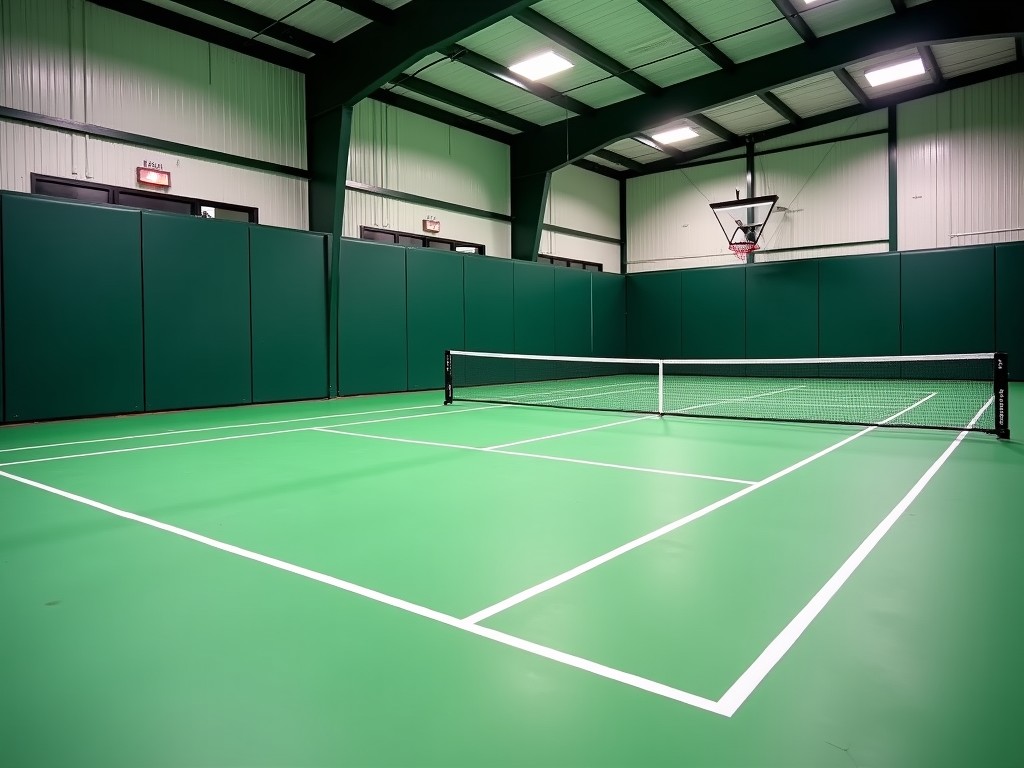
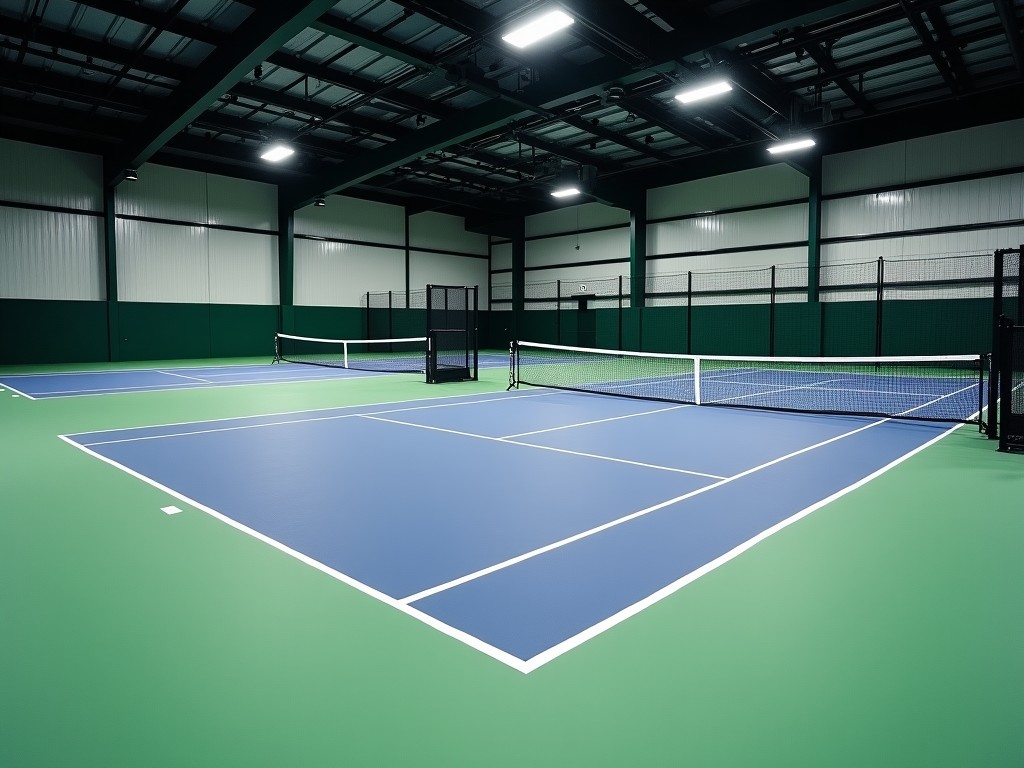
This flooring solution is engineered specifically for indoor pickleball courts, where consistent ball response and player safety are critical. The system features a 2 mm polyurethane wear layer bonded to a 8 mm recycled rubber shock‑absorbing base, delivering a measured coefficient of friction between 0.45 and 0.55 under ASTM F2913 testing.
Material Composition
The wear layer uses a aliphatic polyurethane resin formulated for UV stability and abrasion resistance, achieving a Taber abrasion loss of less than 30 mg per 1000 cycles (CS‑10 wheel, 500 g load). The base layer incorporates granulated SBR rubber with a density of 550 kg/m³, providing a vertical deformation of 2.5 mm under a 500 N impact, which reduces joint stress during rapid direction changes.
- Polyurethane top coat: 1.8‑2.2 mm thickness, Shore A hardness 85‑90
- Recycled rubber underlayer: 7‑9 mm thickness, compression set <15 % after 24 h at 23 °C
- Optional antimicrobial additive: silver‑ion concentration 200 ppm, inhibiting bacterial growth per ISO 22196
Performance Characteristics
| Property | Test Method | Typical Value |
|---|---|---|
| Vertical deformation | ASTM F2772 | 2.3‑2.7 mm |
| Force reduction | ASTM F2772 | 38‑42 % |
| Ball rebound | ASTM F2117 | 92‑96 % of concrete reference |
| Coefficient of friction | ASTM F2913 | 0.45‑0.55 (dry) |
| Abrasion resistance | ASTM D4060 (Taber) | <30 mg loss per 1000 cycles |
Installation Overview
Installation begins with substrate preparation: a clean, level concrete slab with moisture content below 4 % measured by ASTM F2170. A polyurethane primer is applied at 0.15 mm wet film thickness, followed by the rolling of the rubber underlayer using a 50 kg roller to ensure uniform adhesion.
The wear layer is then poured in a controlled environment (temperature 18‑25 °C, relative humidity <70 %) to a nominal thickness of 2 mm, self‑leveling to a flatness tolerance of ±1 mm over a 2 m straightedge. Curing time reaches walk‑able strength in 6 hours and full mechanical properties after 48 hours.
Applications
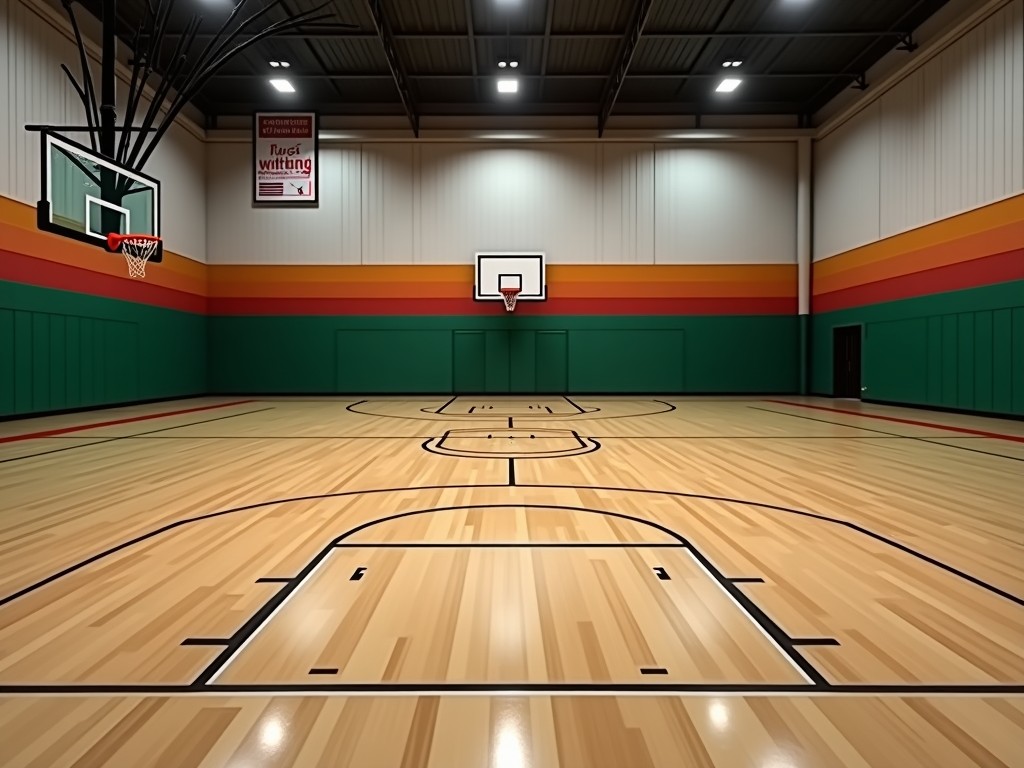
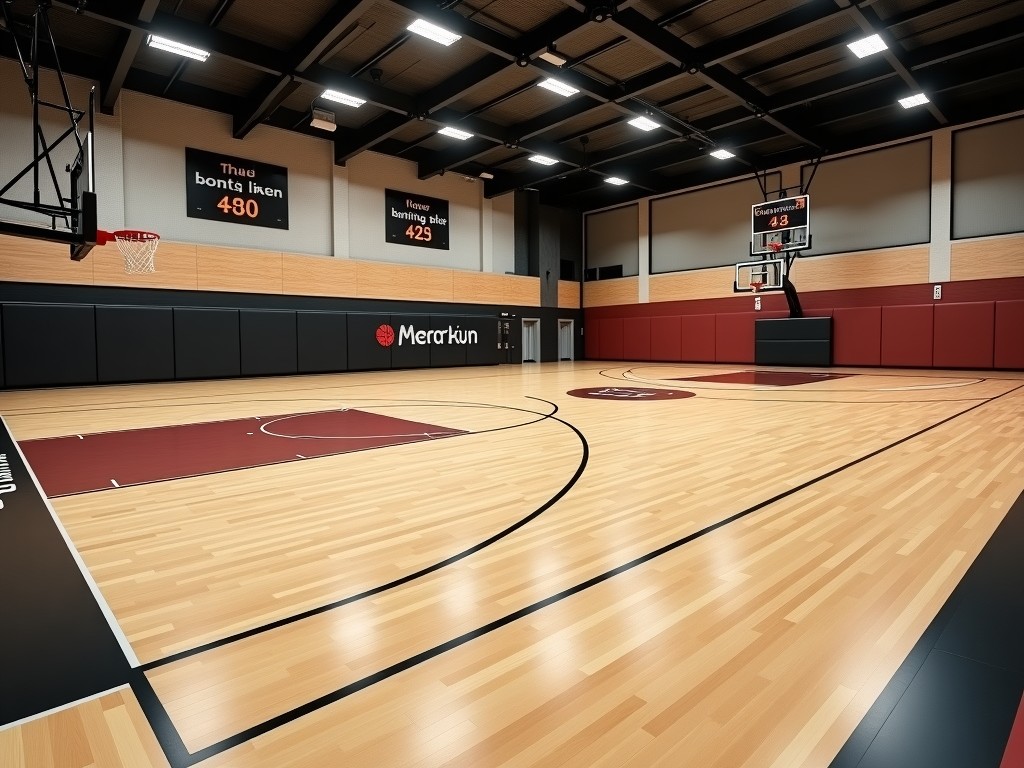
Beyond pickleball, the flooring accommodates other low‑impact court sports such as badminton, table tennis, and recreational basketball where a consistent surface energy return reduces athlete fatigue. The shock‑absorbing base also makes it suitable for multipurpose community centers that host fitness classes and dance sessions.
Customization Options
- Thickness adjustments: wear layer 1.5‑3 mm, base layer 6‑12 mm
- Color matching: Pantone or RAL references available for the top coat
- Line‑inlay integration: pre‑formed PVC or taped markings for court boundaries
- Edge detailing: beveled or ramped transitions to adjacent flooring materials
Quality Control Philosophy
Each batch undergoes in‑line monitoring of polyurethane viscosity and rubber granule size distribution. Finished panels are sampled for hardness, thickness, and adhesion strength using pull‑off tests per ASTM D4541, with acceptance criteria of ≥1.5 MPa.
Finished rolls are inspected for surface defects under 500 lux illumination, and any bubbles, pinholes, or color variations exceeding ΔE > 2 trigger rework. Documentation of test results accompanies every shipment, enabling traceability from raw material to installation site.
Packaging and Shipping
Rolls are wound on 3‑inch diameter cores, wrapped in polyethylene shrink film, and placed on pallets with corner protectors. Each pallet holds up to 20 linear meters, with a maximum gross weight of 800 kg to comply with standard container loading limits.
For overseas shipments, desiccant packets are included to maintain humidity below 60 % inside the packaging, and pallets are secured with poly‑strapping to prevent movement during transit.
Frequently Asked Questions
- Can dimensions be customized? Yes, width and length can be cut to project specifications; standard roll width is 1.83 m.
- What information is required before quotation? Substrate type, court dimensions, desired thickness, color preference, and any line‑marking needs.
- How is quality inspected? Through in‑process viscosity checks, post‑cure hardness, adhesion pull‑off, and surface appearance under controlled lighting.
- What packaging methods are available? Polyethylene‑wrapped rolls on pallets; optional cardboard edge protection for delicate handling.
- What is the typical production lead time? 3‑4 weeks for standard colors; 5‑6 weeks for custom pigments, subject to material availability.
For technical data sheets, sample requests, or project‑specific consultation, please reach out using the contact form below.
Submit Inquiry