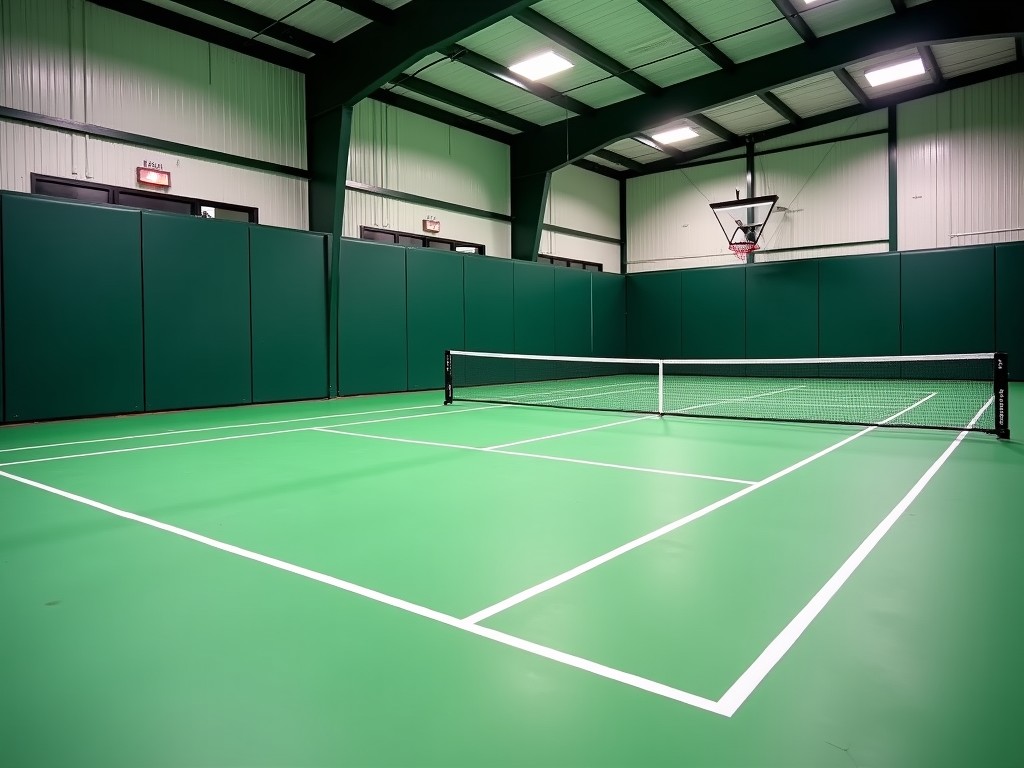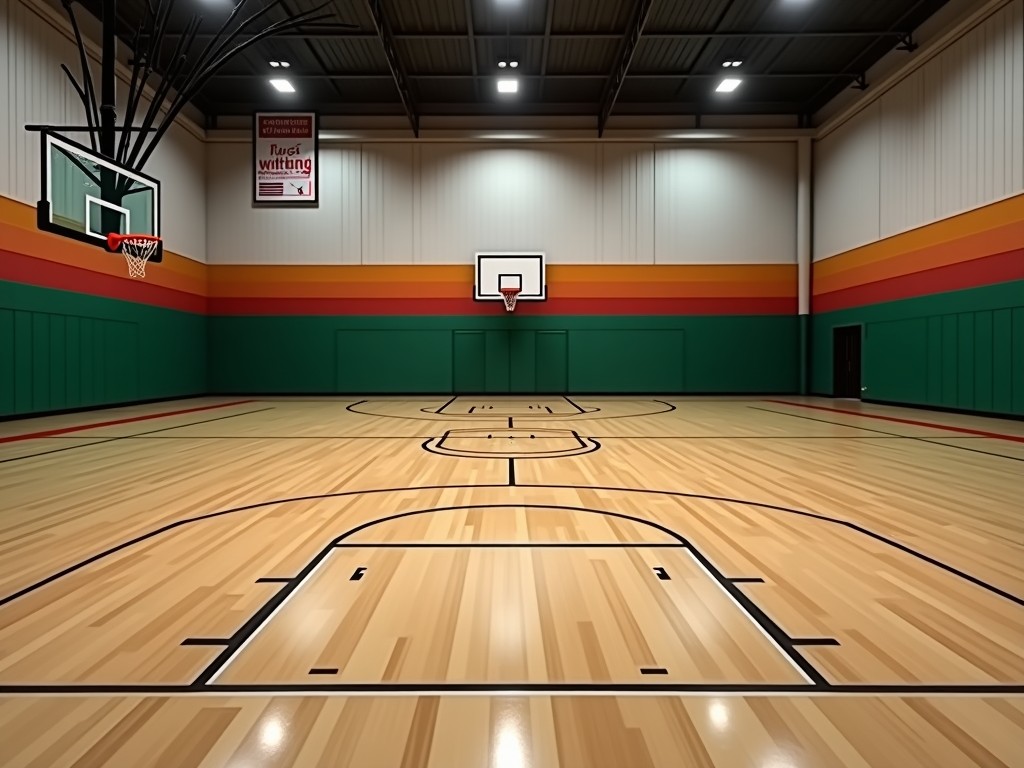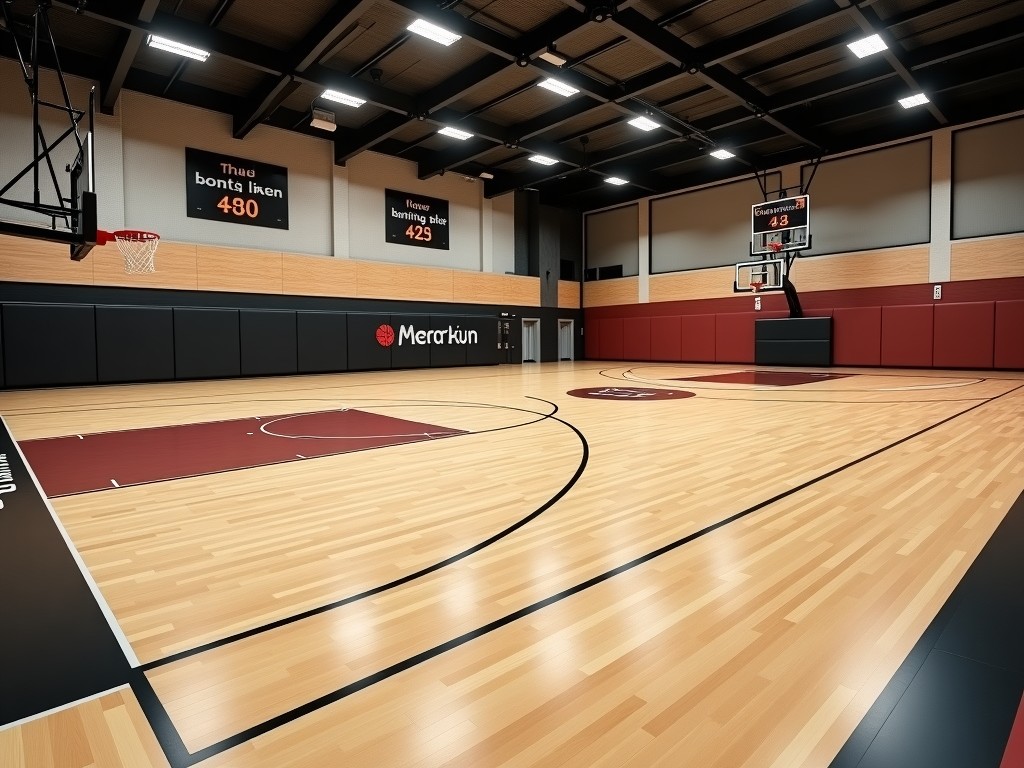
China Basketball Court Indoor Flooring Factory
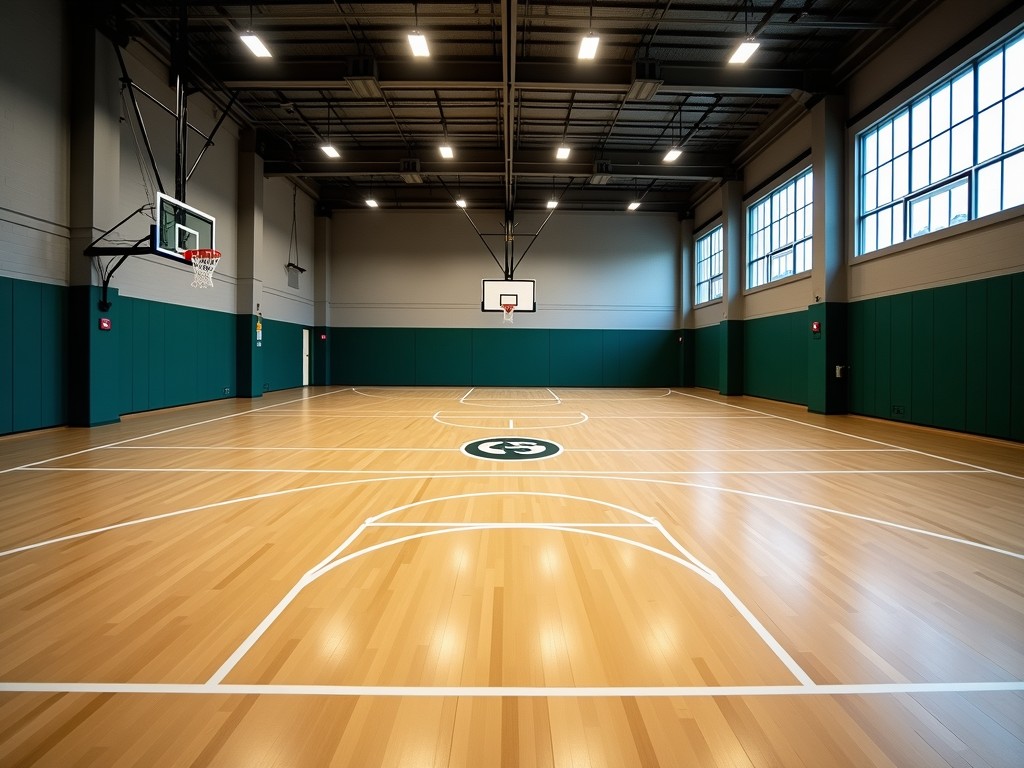
China Basketball Court Indoor Flooring Factory
China Basketball Court Indoor Flooring Factory
Indoor basketball courts experience repetitive impact from jumping, quick directional changes, and ball bounce. The flooring system must manage energy return to preserve ball responsiveness while limiting peak forces transmitted to athletes’ joints.
Typical indoor basketball flooring combines a wear-resistant surface layer, a force‑reducing underlayer, and a stable substrate. The surface layer is often a polyurethane‑based coating with a Shore A hardness of 85–90, providing abrasion resistance and a consistent coefficient of friction (0.6–0.8) for shoe grip. The underlayer may consist of recycled rubber granules bound with a polyurethane binder, delivering a thickness‑dependent shock absorption value (SA) of 25–35 % as measured by ASTM F2772.
Key performance indicators are standardized to allow comparison across projects. Typical values for a 12 mm total thickness system are shown below.
| Property | Test Method | Typical Value |
|---|---|---|
| Shock Absorption | ASTM F2772 | 28 % |
| Vertical Deformation | ASTM F2772 | 1.8 mm |
| Ball Rebound | ASTM F2117 | 94 % |
| Friction (wet/dry) | ASTM E303 | 0.62 / 0.78 |
| Abrasion Resistance (mg loss) | ASTM D4060 | ≤150 mg |
Customization is driven by court usage, sub‑floor conditions, and regulatory requirements. Options include total thickness, surface texture, and embedded line‑marking systems.
- Thickness range: 8 mm to 18 mm, adjustable in 2 mm increments.
- Surface finish: smooth, orange‑peel, or textured roller‑applied for specific friction targets.
- Line markings: pre‑formed PVC inserts or in‑situ epoxy paint, compliant with FIBA dimensions.
- Edge detailing: tapered ramps or flush transitions for multi‑purpose halls.
- Color palette: standard court colors (maple, light gray) plus custom RAL matches.
Basketball imposes distinct mechanical loads compared with other indoor sports. The repeated vertical impulses from jumping generate peak forces up to three times body weight, while lateral slides require a floor that resists shear without causing foot slip. A flooring system with calibrated shock absorption and vertical deformation reduces fatigue‑related injury risk and maintains consistent ball bounce across the playing area.
Quality assurance begins with raw‑material testing. Polyurethane resins are verified for viscosity and NCO content; rubber granules are screened for particle size distribution and moisture content. During production, thickness is monitored via laser profilometry at 0.5 m intervals, and surface hardness is checked with a Shore A durometer. Finished panels undergo ASTM F2772 compliance testing before packaging.
The factory operates a continuous coating line where the underlayer is first calendared to the target density, followed by a UV‑cured surface coating. Ambient temperature and relative humidity are maintained at 20 ± 2 °C and 50 ± 5 % RH to ensure proper curing. Rolls are cut to length, inspected for defects, and stacked with protective interleaving film to prevent surface marring during transit.
Frequently Asked Questions
Can the thickness be customized to match existing sub‑floor elevations?
Yes. Thickness is adjustable in 2 mm increments from 8 mm to 18 mm, allowing designers to compensate for uneven slabs while meeting performance targets.
What information is required for a quotation?
Project dimensions, desired thickness, surface finish, line‑marking specifications, and any regulatory standards (e.g., FIBA, local building codes) help generate an accurate quote.
Which materials are available for the surface layer?
Standard options include aliphatic polyurethane coatings for UV stability and aromatic polyurethane for cost‑sensitive projects. Custom blends can be formulated upon request.
How is quality inspected before shipment?
Each roll undergoes visual defect checks, thickness profiling, hardness measurement, and a batch‑level ASTM F2772 test report is retained for traceability.
What packaging methods protect the flooring during export?
Rolls are wrapped in polyethylene film, placed on corrugated pallets, and secured with corner protectors and strapping to resist moisture and mechanical damage.