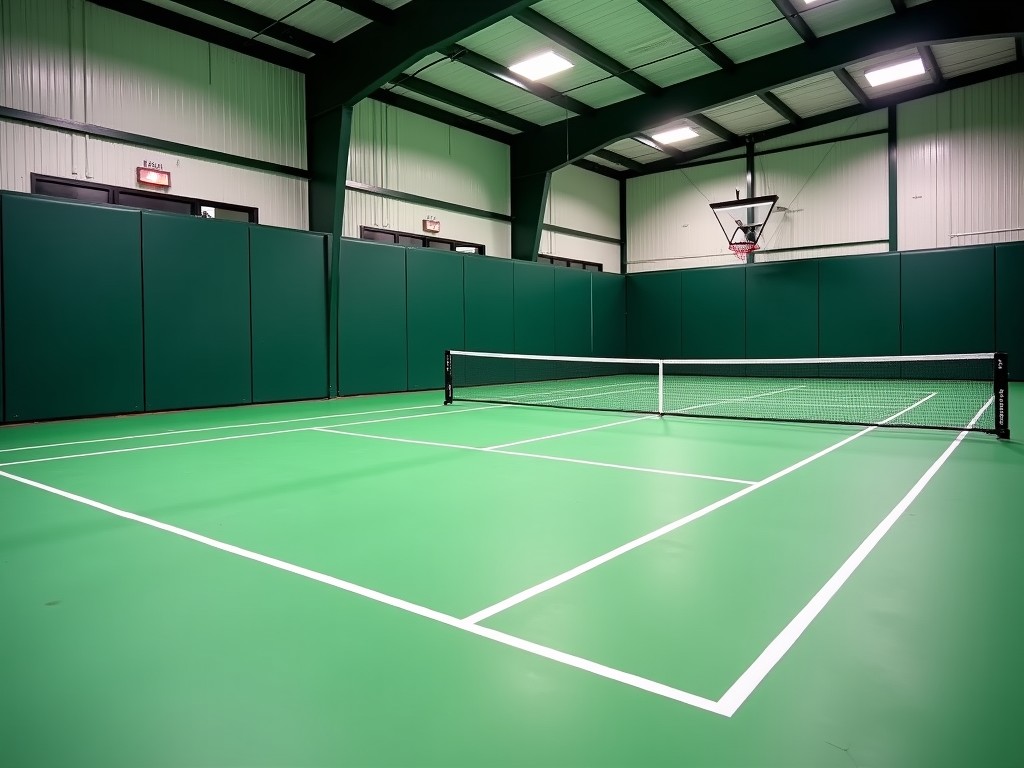
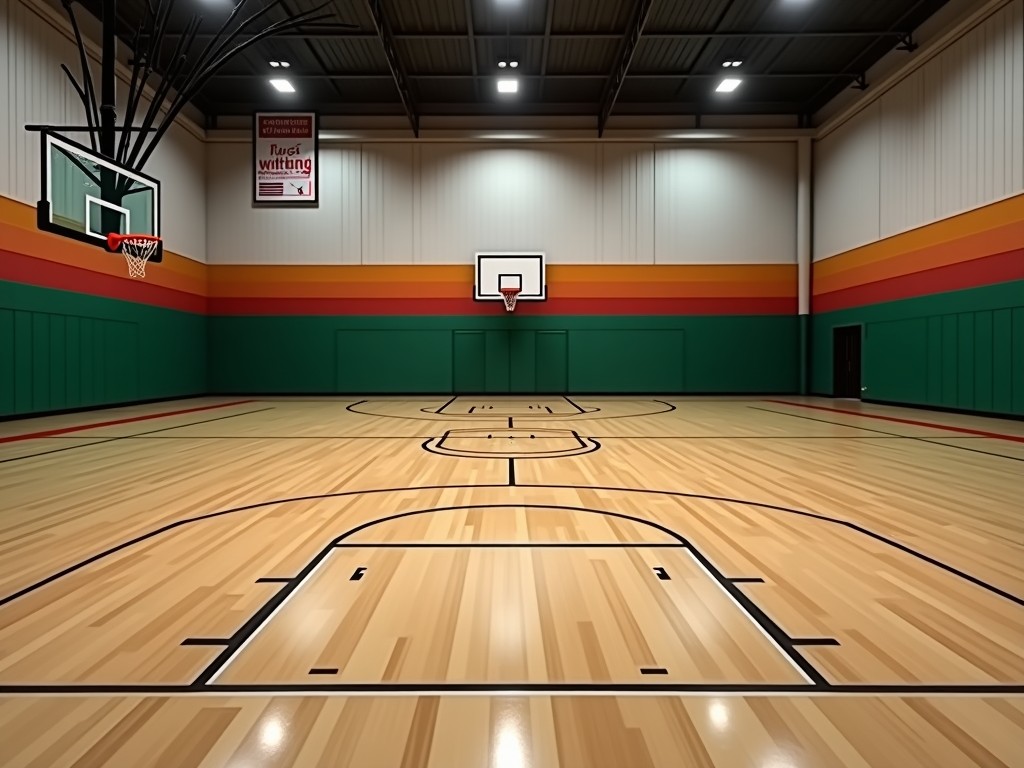
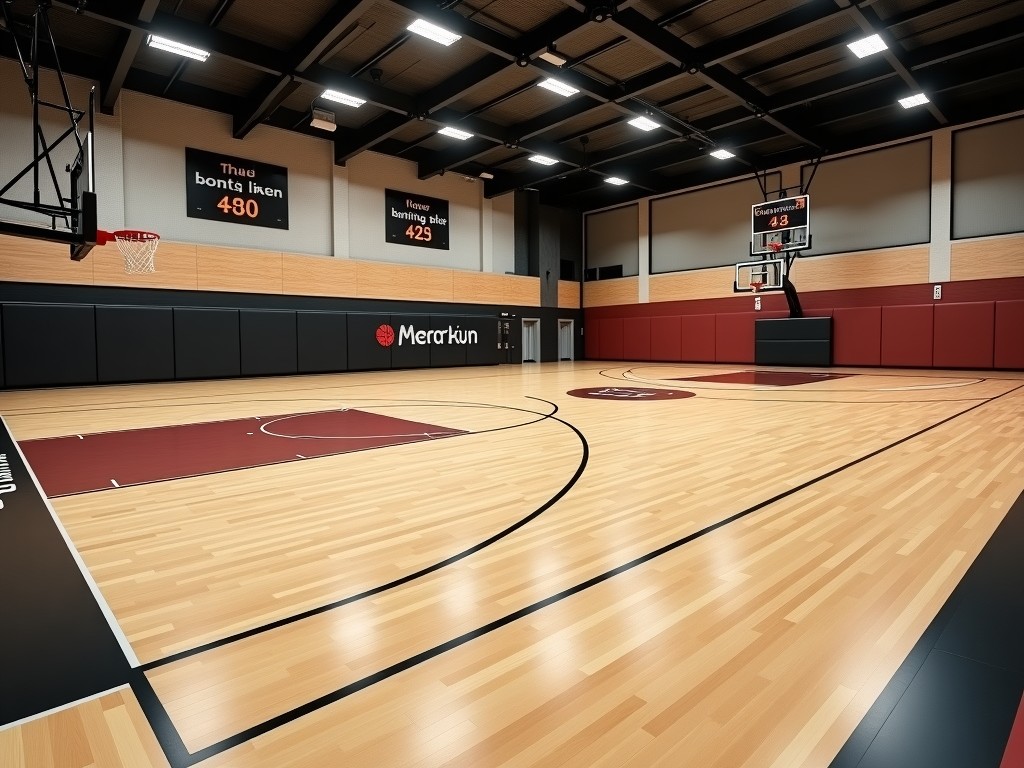
Buy Synthetic Sports Gym Athletic Flooring Wholesale
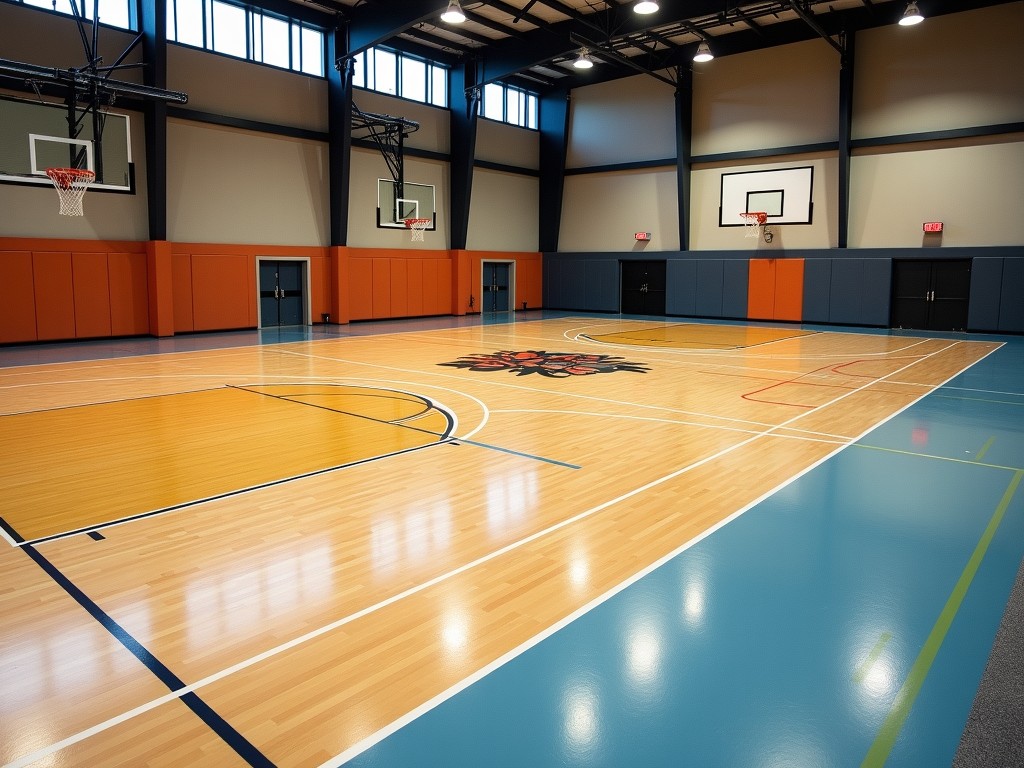
Buy Synthetic Sports Gym Athletic Flooring Wholesale
Synthetic Sports Gym Athletic Flooring – Wholesale
This product consists of a wear-resistant polymeric surface layer bonded to a shock-absorbing foam underlayer, designed for high‑impact athletic environments. It is supplied in roll or interlocking tile formats suitable for wholesale distribution to gyms, training centers, and multi‑purpose sports facilities.
Material Composition and Structure
The wear layer is typically a vulcanized rubber or polyurethane blend with a thickness of 2 mm to 4 mm, providing abrasion resistance measured by Taber abrasion loss < 150 mg per 1000 cycles. The backing layer is a closed‑cell EVA or cross‑linked polyethylene foam with a density ranging from 30 kg/m³ to 55 kg/m³, delivering compressive deflection of 25 % to 35 % at 20 kPa.
Surface hardness, measured by Shore A durometer, falls between 80 and 90, while the foam layer exhibits a Shore A of 20–30. These values combine to give a balanced feel that limits slip while absorbing impact energy.
Performance Characteristics
| Property | Typical Value | Test Standard |
|---|---|---|
| Tensile Strength (wear layer) | ≥ 12 MPa | ASTM D412 |
| Elongation at Break | ≥ 250 % | ASTM D412 |
| Impact Attenuation (Gmax) | ≤ 150 G | ASTM F355 |
| Coefficient of Friction (wet) | 0.6 – 0.8 | ASTM E303 |
| Fire Rating | Class Bfl‑s1 (EN 13501‑1) | EN 13501‑1 |
These values are representative of standard formulations; actual performance can be adjusted by varying the polymer blend ratio or foam cell structure to meet specific project requirements.
Primary Applications
- Weightlifting platforms – high compressive strength protects subfloor while providing a stable base for heavy loads.
- Cardio zones – impact attenuation reduces joint stress during running or plyometric exercises.
- Multi‑sport courts – consistent coefficient of friction supports lateral movements required in basketball, volleyball, and badminton.
- Martial arts areas – slip‑resistant surface combined with adequate cushioning helps prevent mat burns and bruising.
Customization Options
Thickness can be specified from 6 mm to 12 mm overall, with independent control of wear layer (2‑4 mm) and foam backing (4‑8 mm). Color pigments are mixed into the wear layer, allowing standard shades such as black, gray, red, or custom Pantone matches. Surface texture options include a smooth finish for rolling equipment or a lightly embossed pattern to enhance grip.
Interlocking tile systems are available with tongue‑and‑groove edges for rapid floor‑locking, while continuous rolls reduce seam count for large open areas. Edge trim and transition ramps can be supplied to accommodate changes in floor height.
Quality Control and Testing
Each batch undergoes dimensional inspection (±0.5 mm thickness tolerance) and hardness verification using a durometer gauge. Abrasion resistance is measured on a Taber abraser with CS‑10 wheels, and results are recorded to ensure compliance with the ≤150 mg/1000‑cycle limit. Impact attenuation is verified on a drop‑tower rig following ASTM F355, with Gmax values logged for every lot.
Visual inspection checks for uniform color dispersion, absence of blisters, and proper adhesion between layers. Documentation of test results is provided with each shipment upon request.
Installation Considerations
The substrate must be clean, dry, and level to within 3 mm over a 2 m span. For roll goods, a pressure‑sensitive adhesive compatible with polyurethane or rubber is applied at a rate of 200‑250 g/m²; interlocking tiles require only a clean surface and a rubber mallet for seating. Expansion gaps of 5‑10 mm around the perimeter accommodate thermal movement, and transition strips are used where the flooring meets dissimilar materials.
Frequently Asked Questions
Can the thickness be customized for specific load requirements?
Yes. The wear layer and foam backing thicknesses are independent variables; we can adjust the overall build‑up to meet prescribed load‑deflection criteria.
What information is needed to receive a wholesale quotation?
Please provide the total area, desired thickness, color preference, edge finish (interlocking or rolled), and any required certifications (e.g., fire rating, VOC limits).
Which material options are available for the wear layer?
Standard offerings include vulcanized natural rubber, styrene‑butadiene rubber (SBR) blends, and polyurethane‑based compounds. Alternatives can be evaluated upon request.
How is product quality inspected before shipment?
Each lot undergoes dimensional checks, hardness testing, abrasion resistance, and impact attenuation tests. A test report summarizing these parameters is available with the shipment.
What packaging methods are used for export?
Rolls are wrapped in polyethylene film, placed on cardboard cores, and secured on pallets with stretch wrap. Interlocking tiles are packed in corrugated cartons with corner protection, then palletized.
Request a Wholesale Quote
To discuss your project specifications and obtain pricing, please contact our sales team.
Request a Wholesale Quote