Bulk Cost To Build Indoor Pickleball Court Flooring Company
Bulk Cost To Build Indoor Pickleball Court Flooring Company
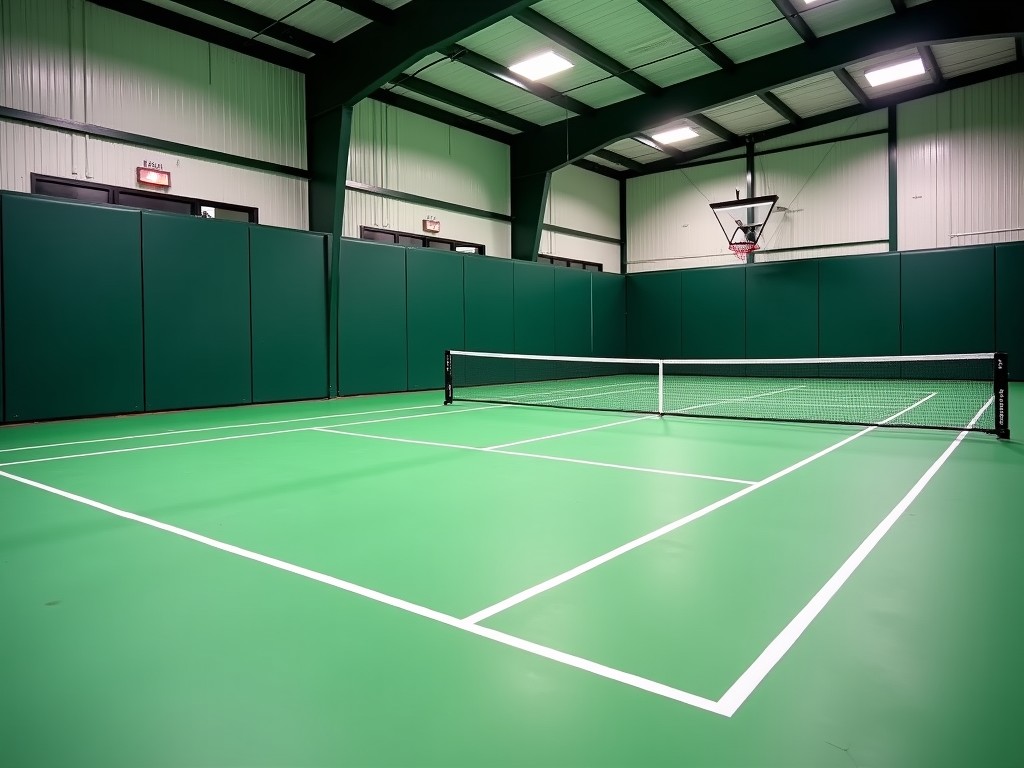
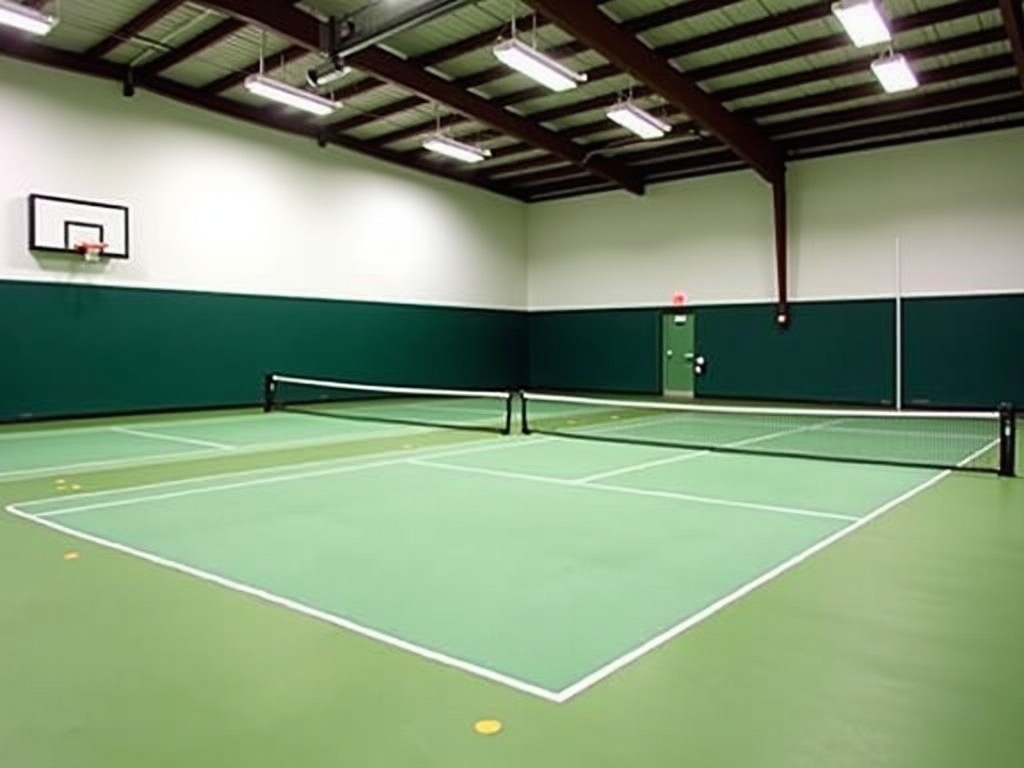
Bulk Cost to Build Indoor Pickleball Court Flooring
Indoor pickleball courts require a playing surface that delivers consistent ball bounce, adequate slip resistance, and sufficient shock absorption to protect joints during repetitive lateral movements. The flooring system must also withstand frequent cleaning and maintain performance over years of use without delamination or surface wear.
When quoting a bulk project, the total cost depends on three primary layers: the subbase preparation, the selected surface material, and the labor for installation. Material choice influences both upfront expense and long‑term maintenance, while court dimensions and site accessibility affect labor hours and equipment needs.
Material Options
- Polypropylene interlocking tiles – 12 mm thick, 20‑30 % shock absorption, easy replacement of damaged units, typical cost $3‑$5 per sq ft.
- PVC modular sheets – 10‑15 mm thickness, 25‑35 % shock absorption, seamless appearance when welded, typical cost $4‑$6 per sq ft.
- Acrylic surfacing over existing concrete – 2‑3 mm coating, 10‑15 % shock absorption, requires a level substrate, typical cost $2‑$4 per sq ft.
- Rubberized underlayment with sport coating – 8 mm rubber base + 2 mm coating, 30‑40 % shock absorption, higher impact protection, typical cost $5‑$8 per sq ft.
Typical Material Properties and Cost Ranges
| Material Type | Thickness (mm) | Shock Absorption (%) | Typical Cost Range ($/sq ft) | Notes |
|---|---|---|---|---|
| Polypropylene interlocking tiles | 12 | 20‑30 | 3‑5 | DIY‑friendly, replaceable tiles |
| PVC modular sheets | 10‑15 | 25‑35 | 4‑6 | Welded seams for uniform surface |
| Acrylic surfacing over concrete | 2‑3 | 10‑15 | 2‑4 | Requires flat, cured concrete substrate |
| Rubberized underlayment + sport coating | 8 rubber + 2 coating | 30‑40 | 5‑8 | Best for high‑impact play, higher upfront cost |
Cost Breakdown
Subbase preparation typically involves compacted crushed stone or a concrete slab, ranging from $1.50‑$3.00 per sq ft depending on site conditions and required flatness tolerance. Labor for material handling, layout, and installation adds $2.00‑$4.00 per sq ft, with larger courts benefiting from economies of scale. Additional expenses may include line marking, net post anchors, and perimeter edging, which together contribute $0.50‑$1.00 per sq ft.
Customization Options
Thickness can be adjusted from 8 mm to 20 mm to meet specific shock‑absorption targets, while surface texture is tuned to achieve a coefficient of friction between 0.6 and 0.8 for optimal slide resistance. Color pigments are integrated into the material during manufacturing, allowing court‑specific branding without separate painting steps. Edge systems and drainage channels can be incorporated directly into modular designs to simplify site work.
Why Indoor Pickleball Demands Specialized Flooring
Generic gym flooring often lacks the precise bounce consistency required for pickleball, leading to unpredictable ball trajectories that affect game fairness. Surfaces with insufficient shock transfer increase joint fatigue during the sport’s frequent lateral cuts and quick stops. A purpose‑built system provides a uniform coefficient of restitution, ensuring the ball reacts predictably across the entire court while protecting players from impact‑related strain.
Request a Detailed Quote